Waingapu Travel Guide: Planning Your First Trip to East Sumba

This Waingapu travel guide is for first-time visitors who want a practical base for exploring East Sumba. Waingapu is not a polished resort town, but it is one of the most useful gateways to Sumba Island, with access to beaches, savanna hills, waterfalls, villages, and everyday services. The best trip here depends on good transport planning, realistic timing, cash preparation, and respect for local culture. Use this guide to decide when to go, where to stay, how to get around, and how to build a safe, flexible East Sumba itinerary.
Waingapu at a Glance
Waingapu sits on Sumba Island in Nusa Tenggara Timur, Indonesia. For travelers, its main value is practical: it connects flights, local services, drivers, accommodation, and day trips across East Sumba. Think of it as a working town with travel access, not as a destination designed only for tourism.
Where Waingapu is and why travelers come here
Waingapu is the main town for many East Sumba itineraries and a natural arrival point for travelers flying into the eastern side of Sumba Island. In map terms, the route is Indonesia, then Nusa Tenggara Timur, then Sumba Island, then East Sumba, with Waingapu as the practical town base.
People usually come here for the landscapes around the town rather than for the town center itself. From Waingapu, travelers plan trips to coastal areas such as Walakiri Beach, savanna viewpoints such as Wairinding Hill, waterfall areas such as Tanggedu Waterfall and Waimarang Waterfall, and villages where traditional architecture and local customs remain important.
The town has useful services such as accommodation, food, ATMs, basic shopping, and transport connections. Tourism infrastructure is more modest than in Bali, Lombok, or major resort areas, so a good Waingapu trip rewards travelers who plan ahead but keep their schedule flexible.
Who this trip is best for
Waingapu is best for travelers who enjoy open landscapes, photography, quiet beaches, cultural learning, and slower travel. It suits people who want to see a less commercial side of Indonesia and who are comfortable arranging private drivers, asking local questions, and adapting plans when roads, weather, or availability change.
It may not be the right fit if you want nightlife, a large restaurant scene, luxury shopping, frequent public transport, or a Bali-style tourism setup. English may be limited in some settings, and remote sights may have few facilities. This does not make the trip difficult for everyone, but it does mean preparation matters.
A good visitor mindset is simple: book key logistics early, carry cash, protect yourself from heat, respect village etiquette, and avoid trying to visit too many distant sights in one day. With that approach, Waingapu can be a rewarding base for East Sumba.
Best Time to Visit and How Long to Stay
Weather and trip length shape the Waingapu experience more than many first-time visitors expect. Roads, waterfalls, viewpoints, and sunsets can all feel different depending on the season, recent rain, and local access conditions.
Dry season, wet season, and what changes on the ground
In general, the drier part of the year is easier for outdoor sightseeing, rural roads, beach sunsets, and long day trips. Views are often clearer, road access may be more predictable, and exposed places such as Wairinding Hill can be easier to enjoy when rain is less likely. The landscape may also look drier and more golden during this period.
Wetter months can make East Sumba greener and can improve the visual appeal of hills and some waterfall areas. At the same time, rain can affect rural roads, walking paths, river conditions, beach plans, and transport reliability. A waterfall that looks beautiful after rain may also be less safe if currents are strong or access paths are slippery.
Do not treat seasonal descriptions as guarantees. Before waterfall trips, ferry plans, or long rural drives, check the local forecast and ask your accommodation, driver, or guide about recent conditions. If your schedule is tight, build in a buffer day rather than placing your most important remote excursion immediately before a flight.
How many days to spend in Waingapu
For a short first visit, two or three days in Waingapu can cover the main rhythm: arrival, a coastal sunset, a savanna viewpoint, and one cultural or scenic day trip. This works well if Waingapu is only one stop in a wider Sumba route.
Four or five days is better if you want a slower East Sumba route with waterfalls, villages, viewpoints, and rest time between longer drives. Waterfall trips can require more effort than they appear on a map because access roads, walking conditions, heat, and local logistics can slow the day.
If you plan to cross the island toward Tambolaka, Waikabubak, or western and southwestern Sumba, add extra time. The cross-island journey can be part of the trip, but it should not be treated as a quick transfer between two nearby resort zones. Prioritize fewer places and enjoy them properly.
Planning around Pasola and local events
Pasola is one of Sumba's best-known cultural events, but travelers should understand its geography before building a Waingapu trip around it. The best-known Pasola areas are generally associated with western and southwestern Sumba rather than Waingapu itself. Tour operators such as Explore Sumba describe Pasola planning around areas such as Kodi, Lamboya, Wanokaka, and Gaura.
Waingapu can still fit into an island-wide itinerary before or after Pasola. You might fly into Waingapu, explore East Sumba, then continue west, or you might visit Waingapu after attending events on the other side of the island.
Dates can vary, and high-demand periods can affect accommodation and driver availability. Treat Pasola as a living cultural event, not only a performance for visitors. Confirm dates locally before booking flights, hotels, and transport, and attend with a guide who can explain etiquette and appropriate viewing behavior.
How to Get to Waingapu
Most first-time visitors choose between flying into Waingapu or reaching Sumba by sea as part of a wider Nusa Tenggara journey. Flying is usually the more practical option for a short trip, while ferries and ships require more flexibility.
Flights through Umbu Mehang Kunda Airport
Umbu Mehang Kunda Airport is Waingapu's practical air gateway. It serves the eastern side of Sumba, but flight schedules, routes, baggage rules, and connection times can change. Many travelers compare current options through larger Indonesian hubs such as Bali or Kupang, depending on available schedules.

Because this is a regional airport, plan your arrival simply. Confirm your landing time, arrange hotel pickup when possible, and ask where your driver will wait. Backindo notes that taxis and private drivers often wait outside the terminal and that many accommodations can arrange pickup in advance.
Do not plan an important remote tour immediately after landing unless you have a confirmed driver and enough daylight. A calmer first day in Waingapu can make the rest of the trip easier.
Ferries and ports for flexible travelers
Sea travel can be an option if you are already moving through Nusa Tenggara, but it is usually slower and more schedule-sensitive than flying. Ferries and ships can be useful for travelers with open-ended itineraries, but they are not ideal if you need to connect directly to an international flight or a fixed hotel booking.
Check current ferry or ship details with operators, port offices, or local contacts before travel. Avoid relying on old schedules, because route timing, delays, weather, and service changes can affect plans. Build buffer days around sea travel, especially during rough-sea periods or public holidays.
Waingapu harbor is useful to know as a local transport anchor, but the right sea route depends on where you are coming from and the current schedule. If your time is limited, flying is usually simpler.
Airport and port transfers into town
Your first hour in Waingapu should be planned before you arrive. Most visitors use hotel pickups, taxis, private drivers, or local motorcycle taxis rather than a formal mass-transit system. If you arrive late, carry luggage, travel with children, or visit during a busy period, arrange pickup in advance.
Confirm the pickup point, driver name, vehicle type, and payment method with your accommodation. Carry Indonesian rupiah in small notes for short transfers, tips, snacks, or unexpected changes. If you negotiate a fare locally, agree clearly before leaving the airport or port.
If you plan to continue directly to a beach property or rural stay outside central Waingapu, be more careful with logistics. Remote accommodation can be scenic, but it may be harder to arrange transport after dark or at short notice.
Getting Around and Choosing Your Base
Waingapu travel is shaped by distance, road conditions, and the limited usefulness of public transport for sightseeing. Your base and transport choice should match your confidence level, budget, and itinerary.
Private drivers, motorbikes, and local transport
For most first-time visitors, a private car with a driver is the most practical way to visit East Sumba sights. A driver helps with rural roads, route timing, parking points, local questions, and finding access paths. This is especially useful for waterfalls, villages, and places where signs may be limited.

Motorbike rental or motorcycle taxis may be possible for experienced riders and shorter distances, but they require caution. Wear a helmet, avoid riding in heavy rain or after dark on unfamiliar roads, and check whether your travel insurance covers motorbike use. Rural roads can include uneven surfaces, animals, sudden weather changes, and limited lighting.
Public transport may exist in local forms, but it is often informal or inconvenient for travelers trying to visit multiple sights in one day. If your budget is tight, consider grouping attractions by direction and hiring a driver for fewer, better-planned days rather than attempting difficult independent transfers.
Staying in town, by the beach, or outside Waingapu
Central Waingapu is the most practical base if you want easy access to ATMs, simple food, airport transfers, shops, and driver arrangements. It is a good choice for short stays, early departures, or travelers who want to solve errands before heading into rural East Sumba.
Coastal accommodation can feel more scenic and restful, especially if your priority is sunset, quiet time, or sea views. The trade-off is convenience. Dining choices may be fewer, transport may require advance planning, and small errands can take longer.
Rural stays outside Waingapu can be memorable if you want a quieter setting, but confirm details carefully. Ask about road access, phone signal, meals, pickup, hot water, air conditioning or fans, Wi-Fi, and payment method before arrival.
| Base option | Best for | Main trade-off |
|---|---|---|
| Central Waingapu | ATMs, food, airport access, driver planning | Less scenic than coast or countryside |
| Coastal stay | Sunset, quiet time, sea views | Fewer errands and dining options nearby |
| Rural stay | Slow travel and local atmosphere | More planning for transport, meals, and facilities |
When to split your stay with West Sumba
Waingapu works best for East Sumba landscapes, practical arrivals, and day trips to nearby hills, beaches, villages, and waterfalls. It is not always the best base for the whole island. If your Sumba trip includes western beaches, certain resorts, or Pasola-related travel, a western base may save time and reduce backtracking.
Tambolaka and Waikabubak are common planning anchors on the western side of Sumba. A split stay makes sense if you have enough days to cross the island without rushing. It is especially useful if flight schedules allow you to arrive on one side of Sumba and leave from the other.
If you have only a few days, choose one side instead of trying to see everything. For East Sumba scenery, base in Waingapu. For a broader island trip, divide your time and add a buffer for road travel.
Where to Stay, Eat, and Handle Money
Waingapu is practical, but it is not a large tourism market. Accommodation, food, and cash planning should be handled before you leave town for remote day trips.
Accommodation styles and booking expectations
Accommodation around Waingapu generally includes modest hotels, beach-facing properties, guesthouses, and simple homestays. Facilities vary, so do not assume that every property has the same standards for air conditioning, hot water, Wi-Fi, breakfast, or card payments.
Book early during busier periods, local events, holiday travel, or when flight options are limited. Waingapu has a smaller accommodation market than major Indonesian tourism hubs, so last-minute choice may be narrow.
Before confirming a stay, ask practical questions: Is airport pickup available? Is breakfast included? Is late check-in possible? Does the room have a fan or air conditioning? Is Wi-Fi reliable enough for your needs? Can the property help arrange a driver? Should you pay by cash, card, or bank transfer?
Food options and simple local dining
Dining in Waingapu is more practical and local than destination-driven. Expect Indonesian meals, simple cafes, seafood in some places, and warung-style dining. Hotels may be useful for breakfast or easier communication, especially when you arrive late.
Outside central areas, variety and opening hours can be limited. English menus may not always be available, so translation apps and simple Indonesian food words can help. If you have dietary needs, explain them clearly and carry backup snacks.
For long day trips, bring water, fruit, packaged snacks, and any food you need for children or medical reasons. Remote viewpoints, waterfall access points, and village areas may have few or no reliable food options. Good food planning also helps you avoid rushing your driver or changing routes late in the day.
Cash, ATMs, and payment habits
Carry Indonesian rupiah in Waingapu, especially before leaving town. Small vendors, drivers, local guides, entrance contributions, parking areas, rural meals, and community fees may rely on cash. Card payment should not be assumed outside larger hotels or more established businesses.
Before a day trip, withdraw money in town, break large notes into smaller notes if possible, and keep cash in more than one place. Carry more than one payment card in case an ATM is unavailable, out of cash, or unable to read your card.
A simple checklist before leaving town is useful: cash for driver payment, cash for meals and drinks, small notes for local contributions, an emergency buffer, charged phone, offline maps, and your accommodation contact. This small preparation can prevent large problems in rural areas.
Best Things to Do Around Waingapu
The best things to do around Waingapu are spread across coast, hills, waterfalls, and cultural landscapes. Most are better enjoyed with a driver, early starts, and realistic expectations about heat and access.
Walakiri Beach and nearby coastal stops
Walakiri Beach is one of the most recognizable and accessible coastal trips from Waingapu. It is known for sunset views and mangrove silhouettes, and Indonesia Kaya describes it as being not far from the center of Waingapu, with commonly cited access by road.
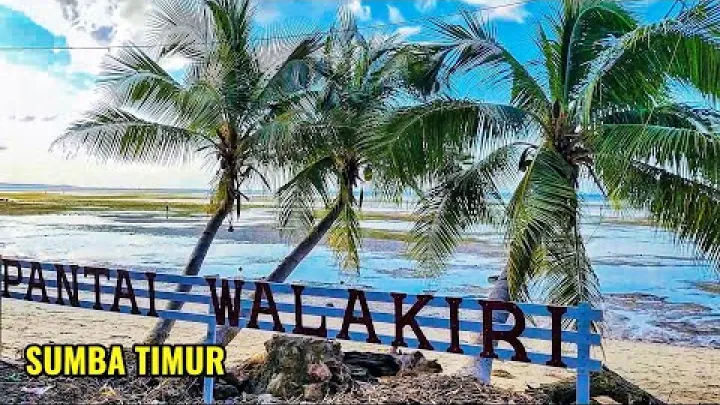
The experience depends on tides, weather, cloud cover, and timing. Photographers often think about sunset and lower-tide conditions, but nature does not follow a visitor schedule. Arrive with enough time to walk carefully, choose a safe spot, and enjoy the scene even if the light is different from photos online.
Arrange return transport before going for sunset, especially if you are not staying nearby. Bring cash for small expenses, avoid littering, do not damage mangroves, and be careful when walking on wet sand or shallow water areas.
Wairinding Hill and savanna viewpoints
Wairinding Hill is a key East Sumba landscape stop, known for rolling savanna views and wide open scenery. It is the kind of place that explains why many travelers come to this side of the island: the attraction is space, light, and changing landforms rather than built tourism infrastructure.

The scenery changes with the season. After rain, the hills may look greener. Later in drier periods, the landscape can look more golden or dry. Both versions can be beautiful, so avoid planning the visit around a single image you have seen online.
Early morning and late afternoon are usually more comfortable for light and heat. Bring sun protection, water, footwear with grip, and a layer if it is windy. Stay away from unstable edges and listen to local advice about where to walk.
Tanggedu and Waimarang Waterfalls
Tanggedu Waterfall and Waimarang Waterfall are popular East Sumba waterfall options for travelers with more time, suitable transport, and a willingness to handle rougher access. They can be rewarding, but they should not be treated like simple roadside stops.
Access may involve rural roads, uneven ground, walking, heat, and conditions that change after rain. Ask your driver or accommodation about recent road and water conditions before committing. In some situations, a local guide is a sensible choice for route finding, permissions, and safety.
Wear shoes that can handle slippery paths, carry enough water, protect yourself from sun, and avoid swimming if currents, depth, rocks, or weather make conditions unsafe. If rain has been heavy, be ready to change plans. A missed waterfall is better than a dangerous trip.
Traditional villages and Marapu culture
Traditional villages, tall-roofed houses, megalithic tombs, and Marapu-related practices are central to Sumba's cultural identity. A village visit can be one of the most meaningful parts of a Waingapu itinerary, but it should be approached with respect rather than as a checklist photo stop.
Use a local guide where possible. A guide can explain permissions, dress expectations, appropriate contributions, and which areas are private, sacred, or closed to visitors. Do not enter houses, ceremonial spaces, or tomb areas without clear permission.
Ask before photographing people, tombs, ceremonies, or interiors. Do not touch sacred objects or climb on tombs. If a contribution or local fee is requested, handle it transparently through your guide or a community representative. Respectful behavior protects both visitors and hosts.
Suggested Waingapu Itineraries
The best Waingapu itinerary is not the one with the most stops. It is the one that matches your flight times, heat tolerance, transport, and interest in scenery or culture.
A two or three day Waingapu itinerary
For two days, keep the plan simple. On arrival day, check in, withdraw cash, confirm your driver, and do an easy town or coastal orientation if time allows. Use sunset for Walakiri Beach or another nearby coastal stop if transport is arranged.
On the main sightseeing day, choose a focused route. One option is Wairinding Hill with nearby scenic stops and a respectful village visit. Another option is a lighter day with coastal stops and local food if you do not want long drives or hikes.
For three days, add one more experience without overpacking. You might include a waterfall day if conditions are good, or you might add more cultural and savanna stops. Keep the final morning flexible for airport transfer, weather delays, shopping, or rest.
A four or five day East Sumba route
With four or five days, Waingapu becomes more than an arrival point. You can spread out the major sights, avoid long back-to-back days, and make better decisions based on weather and local advice.
A balanced route might include one coastal sunset day, one savanna and village day, one waterfall day, one slower local day, and one flexible arrival or departure day. If rain affects the waterfall plan, substitute a shorter scenic drive, town errands, local dining, or a beach visit with easier access.
Confirm driver and guide availability before finalizing the schedule. Long rural trips are easier when everyone agrees on departure time, route, meals, waiting time, and payment. Extra days improve the trip because they give you room to adjust, not because they let you rush through every attraction.
A wider Sumba route linking Waingapu and the west
Waingapu fits well into a wider Sumba route that also includes western or southwestern bases. The main planning choice is whether to fly in and out of the same side or use a one-way route, entering through one airport and leaving from another if schedules allow.
A one-way route can reduce backtracking, especially if you want to combine East Sumba landscapes with western beaches, resorts, or Pasola-related areas. However, it requires careful flight checks, driver coordination, and enough time for the cross-island journey.
If you travel during a high-demand cultural-event period, book earlier and keep more buffer time. Do not place the cross-island drive immediately before an important international connection unless you have a strong reason and a backup plan.
Safety, Health, and Responsible Travel
Waingapu is best enjoyed with calm, practical safety habits. Most planning issues are ordinary travel concerns: roads, heat, weather, cash, rural access, and respectful behavior in communities.
Road, weather, and natural-disaster awareness
Road conditions, rain, heat, and rough seas can affect travel around Waingapu and the wider Sumba region. Indonesia also sits in a region where natural hazards can occur, so visitors should stay aware without becoming alarmed. The U.S. Department of State provides national-level Indonesia travel advisory information, including general safety and natural-disaster awareness.
National advisories are not the same as Waingapu-specific road reports, so combine them with local information. Before remote trips, ask about recent rain, road access, ferry status, and whether the route is suitable for your vehicle and schedule.
Carry travel insurance, save emergency contacts, keep your accommodation informed of long day trips, and build buffer days into ferry or flight connections. Avoid riding motorbikes without proper experience, protective gear, and insurance coverage.
Health preparation and travel insurance
Bring prescription medication, basic first-aid items, sun protection, insect repellent, oral rehydration salts, and any personal health supplies you rely on. Rural excursions can involve heat, dust, uneven ground, and limited access to shops once you leave town.
Common travel-health issues include dehydration, heat exhaustion, stomach upset, sunburn, insect bites, and minor injuries from walking or motorbike travel. Drink water regularly, rest during the hottest part of the day when needed, and do not push through symptoms during long drives or hikes.
Health services outside major Indonesian cities may be more limited than what some travelers are used to. Travel insurance with medical support and evacuation coverage is sensible. For vaccines, medications, pregnancy, chronic conditions, or specialist needs, speak with a travel clinic or doctor before departure.
Cultural etiquette in villages and sacred places
Respect is essential in traditional villages, around tombs, and during ceremonies. Dress modestly where appropriate, follow your guide's instructions, and remember that homes, rituals, and sacred spaces are not tourist props.
Ask permission before taking photos of people, ceremonies, houses, or tombs. Do not touch ritual objects, climb structures, enter private spaces, or interrupt community activities. If you are unsure, wait and ask.
Contributions or local fees may be requested in some places. Handle them clearly through guides or community representatives. Using a local guide is not only helpful for interpretation; it can also support communities and reduce the risk of accidental disrespect.
Final Tips for Planning Waingapu
Waingapu is a strong base for travelers who want to experience East Sumba's beaches, savanna hills, waterfalls, villages, and slower island rhythm. The key is to plan the practical parts before you chase the views: confirm flights, arrange transfers, choose a base that matches your itinerary, carry cash, and avoid overloading each day.
Use Waingapu for what it does best. Stay in town if you need convenience, choose the coast if you want a quieter setting, and split your trip with West Sumba if your plans extend beyond East Sumba. Check current weather, road, and transport conditions before remote trips, and leave space for changes.
Most importantly, travel with respect. East Sumba is not only a landscape destination; it is also a lived cultural region. If you move patiently, ask permission, support local guides, and keep your plans flexible, Waingapu can become one of the most memorable parts of a Sumba journey.
Select area
Create a post
Posting is free and no registration is required.