Singkawang Travel Guide: Temples, Beaches and Tips

This Singkawang travel guide is for first-time visitors who want a practical, realistic overview of one of West Kalimantan’s most distinctive coastal cities. Singkawang is known for its Chinese-Indonesian heritage, multicultural daily life, temples, food streets, festival atmosphere, beaches, mangroves, and nearby hills. It is not a mass-tourism resort destination, so the best trips are flexible, locally informed, and planned around road access from Pontianak. This guide explains where to stay, when to go, how to move around, what to do, and what to check before you travel.
Why Visit Singkawang
Singkawang rewards travelers who enjoy culture, local neighborhoods, regional food, and easy nature excursions more than polished international tourism infrastructure. Its strongest appeal is the way city life, religious sites, coastal scenery, and festival traditions sit close together.
The Short Answer for First-Time Visitors
Visit Singkawang if you want a compact West Kalimantan city with a strong local identity. The city has long been associated with Chinese-Indonesian culture, while Dayak, Malay, and wider Indonesian influences also shape its food, markets, language, and public life.
For a first trip, the main attractions are not single blockbuster landmarks. The value is in combining temple visits, shophouse streets, local meals, markets, nearby beaches, mangrove areas, and short excursions into the surrounding hills. Set expectations carefully if you are comparing it with Bali, Yogyakarta, or Jakarta. Singkawang is quieter, more regional, and often requires more local checking.
The Travel Style That Fits Singkawang Best
Singkawang suits travelers who like independent regional travel, cultural observation, festivals, food stops, and low-key nature. It works especially well as a short break from Pontianak or as one stage in a wider West Kalimantan itinerary.
Travelers who want luxury beach resorts, a dense nightlife scene, or English-speaking tourism services everywhere should keep expectations modest. A good Singkawang trip usually involves flexible transport, local recommendations, and a willingness to confirm details such as opening hours, road conditions, and current event schedules.
Where Singkawang Is and How to Choose a Base
Choosing the right base matters because Singkawang’s attractions are spread between the central city, the coast, and inland green areas. Most first-time visitors will find the central city easiest, while coastal stays suit a narrower set of priorities.
Location in West Kalimantan
Singkawang is on the west coast of Kalimantan in Indonesia’s West Kalimantan province, north of Pontianak. For most visitors, Pontianak is the practical entry point, followed by an overland journey to Singkawang.
The city functions as a regional base rather than a remote resort. From the central area, travelers can organize urban sightseeing, food stops, beach outings, mangrove visits, and inland day trips. Road travel times vary with traffic, weather, vehicle type, and starting point, so build in buffer time rather than planning every hour tightly.
The City Layout in Simple Terms
For travel planning, think of Singkawang in three simple zones: the central city, the coastal edge, and the inland hills. The central area, including parts of Singkawang Barat and Singkawang Tengah, is useful for hotels, food, shops, markets, services, and temples.

The coastal areas are better for beach stops, sunsets, and a slower atmosphere. Inland areas are useful for parks, reservoirs, hill scenery, and family attractions. Because these zones are not all walkable from one another, your accommodation choice affects how much you will spend on taxis, drivers, or arranged transport.
Recommended Base Areas
For most first-time visitors, the central city is the best default base. It gives easier access to meals, convenience stores, temples, transport help, and basic services, which is especially helpful during rain or after a long road transfer from Pontianak.
The Singkawang Grand Mall area and nearby central hotel zones can be practical orientation points, not because every traveler needs to stay beside a mall, but because nearby dining and services reduce friction. A coastal stay makes sense if your main goal is beach time, sunsets, or a quieter resort-style trip. The trade-off is that you may need more planning for meals, city visits, and evening transport.
Best Time to Visit Singkawang
Singkawang is warm and humid throughout the year. The main planning question is not whether rain is possible, but how much flexibility you need for outdoor activities, road travel, and festival crowds.
Weather Patterns and Rain Planning
Expect tropical heat, humidity, and rain in any month. Historical climate guidance from WeatherSpark suggests that conditions for beach and pool activities may be relatively more favorable around mid-February to late April, but this should not be read as a guaranteed dry season.
Plan outdoor activities early in the day when possible, carry lightweight rain protection, and keep a backup plan for heavy showers. Rain can affect beach comfort, trail conditions, road visibility, and the appeal of long day trips. Before departure, check a current forecast rather than relying only on monthly averages.
Festival Timing and Crowds
Singkawang is especially well known for the period around Chinese New Year and Cap Go Meh, the Lantern Festival. Reporting by Xinhua notes that Cap Go Meh falls on the 15th day of the first month of the Chinese lunar calendar, so the exact Gregorian date changes each year.
This is one of the most meaningful times to visit for culture-focused travelers, but it also requires more preparation. Accommodation demand can rise, traffic can be slower, streets may close for events, and restaurants or transport services may be busier than usual. Confirm local dates and event arrangements before booking.
Best Periods by Travel Style
The best time depends on what you want from the trip. Festival travelers should organize the trip around confirmed Chinese New Year and Cap Go Meh dates. Beach-focused travelers may prefer periods with historically better beach weather, while still allowing for rain. Hikers and visitors planning hills or reservoirs should pay close attention to mud, heat, and current weather.
| Travel style | Best planning approach | Main caution |
|---|---|---|
| Festival trip | Book around confirmed lunar-calendar dates | Crowds, traffic, and high demand |
| Beach trip | Use forecast and local advice close to travel | Rain, tides, and variable facilities |
| Hills and parks | Start early and keep plans flexible | Heat, mud, and road delays |
| Family trip | Mix outdoor stops with indoor or easy attractions | Rain and changing opening hours |
| Quiet visit | Avoid major festival peaks if crowds are a concern | Some attractions may feel low-key |
How to Get to Singkawang and Move Around
Transport is the area where travelers should be most conservative. Treat Pontianak as the safest planning gateway unless you have confirmed a direct alternative close to your travel date.
The Pontianak Gateway Route
For most visitors, the practical route is to fly into Pontianak, usually via Supadio Airport, and continue by road to Singkawang. Wikivoyage describes Supadio Airport near Pontianak as the air gateway for Singkawang, with onward road transport options such as travel taxis.
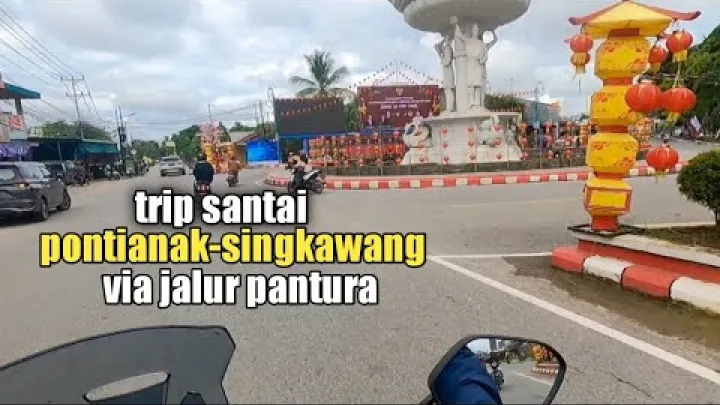
Depending on current operators, you may find shared taxis, private cars, buses, or hotel-arranged transfers. Fares and schedules can change with fuel prices, demand, holidays, and operator availability, so confirm them directly. On the return to Pontianak, leave generous buffer time before any flight because road delays are possible.
Local Airport Access and Verification
Singkawang has airport listings, including live airport data pages such as Flightradar24, but travelers should not assume that direct scheduled flights are available for their dates without checking current airline and booking information.
Before planning around direct air access, verify the route through airlines, official airport information, or reliable booking platforms. If you cannot confirm a practical direct flight, use Pontianak as your default gateway. This conservative approach reduces the risk of building an itinerary around uncertain access.
Road Travel from Nearby Regions
Singkawang can also fit into wider West Kalimantan road itineraries involving Pontianak, Sambas, Bengkayang, or northern coastal areas. This works best when you avoid overloading transfer days with too many stops.
If your route involves international or cross-border travel, check immigration rules, border procedures, and transport availability through official channels before departure. Do not rely on old forum posts or outdated schedules for border-sensitive plans. Weather, road works, and rest stops can all affect how comfortable a long road day feels.
Getting Around the City and Day Trips
Central sightseeing can combine walking with taxis, motorcycle taxis, ride-hailing where available, or short private-driver arrangements. Walking is useful in compact areas, but heat and rain can make even moderate distances feel tiring.
For beaches, mangroves, hills, reservoirs, and family attractions outside the central area, consider arranging a driver, tour, or hotel-assisted transport. If you use non-metered transport, agree on the price, waiting time, and return plan before departure. Not every traveler will be comfortable on motorcycles, so choose transport that matches your risk tolerance and luggage needs.
Where to Stay in Singkawang
Accommodation in Singkawang ranges from simple guesthouses to mid-range city hotels and coastal properties. The best choice depends on whether convenience, atmosphere, beach access, or festival access matters most.
Central City Stays
Central Singkawang is usually the most practical base for first-time visitors. It places you closer to food, temples, shops, services, and transport options, which reduces daily planning stress.
The trade-off is that central areas may be noisier, busier, and more affected by festival crowds or public holidays. If you are sensitive to noise, check recent guest reviews for room location, street sound, parking, and air conditioning performance before booking.
Coastal and Resort-Style Stays
Coastal accommodation can be attractive if your main goals are sunsets, beach walks, and a quieter atmosphere. It may also suit travelers who prefer to spend more time relaxing than moving between urban attractions.
However, beach convenience is not the same as city convenience. Check how you will reach restaurants, shops, temples, and return transport at night. Also review recent comments on maintenance, beach access, mosquitoes, rainy-season conditions, and whether the property can help arrange drivers.
Booking Tips and Accommodation Expectations
Book early during Cap Go Meh, Chinese New Year, weekends, and Indonesian holiday periods. During quieter periods, you may have more flexibility, but international booking platforms may not show every local option.
Before booking, confirm the practical details that shape comfort: air conditioning, Wi-Fi, breakfast, parking, elevator access if needed, transport help, payment methods, and English-language support. Avoid relying only on star ratings. Recent reviews and direct questions are often more useful in a regional city.
Best Things to Do in Singkawang
Singkawang’s attractions are best understood as a mix of urban culture, festival traditions, coastal nature, and family-friendly excursions. The Indonesia Tourism overview lists local points of interest including Setapuk Besar Mangroves, Sedau Beach, Pajintan Reservoir, Bukit Bougenville Park, Sinka Zoo, and Taman Cinta Waterboom, which gives a useful overview of the variety around the city.
Temples and Urban Cultural Landmarks
Temple visits are among the most important cultural experiences in Singkawang. The Tua Pek Kong Temple area is a useful central anchor for understanding the city’s Chinese-Indonesian heritage, but visitors should also remember that Singkawang’s identity is broader than any single community or site.

Dress modestly, speak quietly, and avoid interrupting worship. Ask before photographing people, ritual activity, or interiors where access is unclear. Treat temples as active religious spaces, not only as photo stops.
Festival Experiences and Public Celebrations
The Chinese New Year and Cap Go Meh period is a major highlight for many visitors. Expect a stronger public atmosphere, decorations, music, processions, community gatherings, and ritual elements, depending on the year’s program and local arrangements.
Because these are living traditions, approach them respectfully. Confirm the dates, route information, and any visitor guidance locally. Bring rain gear, protect valuables in crowds, and allow extra time for street closures or traffic changes.
Beaches and Coastal Nature
Coastal stops around Singkawang may include Sedau Beach, Bajau Beach, Pasir Panjang, Palm Beach, and other nearby seaside areas. These places can be pleasant for sea views, local snacks, family outings, and sunsets, but conditions and facilities can vary.
Do not assume perfect swimming conditions, empty sand, or consistent cleanliness. Check recent local information, bring water and sun protection, and carry small cash for parking, snacks, or entrance fees where applicable. Setapuk Besar Mangroves offer a different coastal experience focused more on mangrove scenery and conservation-oriented nature than on beach relaxation.
Hills, Parks, and Family-Friendly Stops
Travelers who want greenery can look at inland options such as Mount Poteng, Pajintan Reservoir, Bukit Bougenville Park, and public bathing or recreation areas where access is currently available. For families, attractions such as Sinka Zoo and Taman Cinta Waterboom may be useful additions, especially when children need a change from temples and markets.
For hill walks or nature stops, consider heat, rain, mud, footwear, drinking water, and local route advice. For family attractions, check current opening hours, ticketing, maintenance comments, and weather conditions before going. Facility quality can change, so recent local information matters.
Food, Markets, and Cultural Etiquette
Food and everyday street life are central to the Singkawang experience. The city is a good place to slow down, eat locally, and observe how different communities share public space.
Local Food and Dietary Practicalities
Singkawang’s food scene reflects Chinese-Indonesian, Malay, Dayak, and broader Indonesian influences. Travelers can expect noodles, rice dishes, snacks, coffee shops, bakeries, market food, and casual local restaurants, though specific menus vary by area and time of day.
Halal, vegetarian, and allergy-sensitive travelers should ask directly before ordering. Pork, seafood, broth bases, shared cooking equipment, and mixed sauces may vary by venue. If you do not speak Indonesian, use simple phrases, translation apps, or written dietary notes to reduce misunderstanding.
Markets, Cafes, and Everyday Street Life
Markets and shophouse streets are valuable because they show daily life, not only tourist activity. Visit early if you want a livelier market atmosphere, wear practical footwear, and carry small cash for snacks or small purchases.
Photography should be polite and consent-based, especially around vendors, children, and religious or family settings. Cafes and coffee shops are useful rest stops during hot or rainy periods and can help break up a day of walking or errands.
Respectful Visiting and Cultural Etiquette
Use modest clothing and calm behavior at temples, mosques, churches, and ceremonial spaces. Remove shoes where requested, follow local signs, and avoid entering restricted areas without permission.
During festivals, remember that public events can also be sacred or community-centered. Do not block processions, touch ritual objects, or photograph participants at close range without consent. Respectful behavior usually leads to better interactions and a more meaningful trip.
Costs, Safety, and Practical Travel Tips
Singkawang can be a manageable destination for budget and mid-range travelers, but exact costs change with season, booking timing, transport choice, and festival demand. Safety planning should focus on ordinary travel precautions and current checks.
Typical Budget Categories
Your main cost categories are accommodation, local meals, intercity transport from Pontianak, local drivers or taxis, attraction fees, festival-period premiums, and day-trip expenses. For many visitors, the biggest variable is transport, especially if you prefer private cars over shared services.
Budget travelers can reduce costs by staying centrally, eating local meals, and limiting long day trips. Mid-range travelers may spend more on better hotels, private transfers, and drivers. Comfort-focused travelers should budget for flexible transport and earlier booking, especially around major festivals and holidays.
Health, Weather, and Personal Safety
Use standard tropical travel precautions. Hydrate often, manage heat exposure, use mosquito protection, secure valuables in crowded places, and choose transport carefully. Avoid risky swimming conditions and do not hike in heavy rain or on muddy routes without local advice.
Heavy rain can reduce visibility, make roads uncomfortable, and affect outdoor plans. Before departure, check current weather and official travel advisories relevant to Indonesia and West Kalimantan. This is especially important for international travelers who need the latest health, entry, or safety guidance.
Essential Checks Before You Travel
Before you leave, confirm the details that can most affect your trip. These checks are simple, but they prevent many common problems in regional travel.
- Current transport schedules and pickup points from Pontianak or Supadio Airport.
- Road-transfer timing, including buffer time before return flights.
- Accommodation booking, especially for festival periods and weekends.
- Cap Go Meh or other festival dates if your trip depends on them.
- Weather forecast for beach, hill, and road-trip days.
- Opening hours and access details for attractions you most want to visit.
- Cash access, payment methods, and small notes for local expenses.
- Mobile data, translation tools, and maps that work offline if needed.
- Driver, taxi, or tour arrangements for day trips outside the center.
- Indonesia entry requirements through official channels if you are traveling internationally.
Suggested Itineraries and Final Planning Advice
The best Singkawang itinerary is flexible rather than overfilled. Use the central city as your anchor, then add coastal or inland trips according to weather, transport, and energy.
One to Two Days in Singkawang
With one to two days, keep the plan simple. Spend your central time around temples, shophouse streets, markets, local food, and coffee stops. Add one coastal outing for a beach or sunset if the weather is suitable.
If you are arriving from Pontianak, avoid scheduling too much on the transfer day. A relaxed evening meal and a short walk may be more realistic than a full sightseeing program. This short stay works best as a side trip or weekend-style visit.
Three to Four Days in Singkawang
With three to four days, you can combine culture, food, beaches, mangroves, and one inland or family-friendly excursion. Group attractions by geography to reduce backtracking: central temples and markets on one day, coastal stops on another, and hills, parks, reservoirs, or family attractions on a separate outing.
Central Singkawang remains the easiest base for this length unless you strongly prefer a coastal stay. Leave open time for rain, rest, and local recommendations. A slower schedule often produces a better experience than trying to visit every named attraction.
Final Takeaways for a Smooth Trip
For most travelers, the smoothest Singkawang plan is simple: arrive through Pontianak, allow enough time for the road transfer, stay centrally for convenience, and choose your timing based on either festival interest or weather priorities. Use local checks for transport, attraction access, and current conditions rather than assuming everything will operate exactly as listed online.
Singkawang’s appeal is its compact mix of culture, temples, food, coastal outings, and inland excursions. Plan with realistic expectations, respect local communities, and keep enough flexibility for rain and road delays. Done this way, Singkawang can be a rewarding and distinctive stop in a West Kalimantan itinerary.
Select area
Create a post
Posting is free and no registration is required.