Banjarmasin Travel Guide: Rivers and Floating Markets

This Banjarmasin travel guide is for first-time visitors who want to understand the river city before they arrive. Banjarmasin, in South Kalimantan on the Indonesian part of Borneo, is best experienced through its waterways, markets, food, and everyday urban life. It is not a resort destination, but it can be a rewarding stop for travelers who enjoy local culture, early mornings, and practical exploration. This guide covers when to go, where to stay, how to move around, what to do, what to eat, and what to check before booking.
Banjarmasin at a Glance
Banjarmasin is often approached as part of a wider Indonesia or Kalimantan itinerary. The city rewards travelers who plan lightly but pay attention to logistics, especially boat trips, weather, and early departures.
Where Banjarmasin Fits in Indonesia and Kalimantan
Banjarmasin is a city in South Kalimantan, on the Indonesian side of Borneo, the island widely known in Indonesia as Kalimantan. For many international travelers, it is not the first stop in Indonesia. It is more commonly added after arrival through a larger Indonesian hub or as part of a regional journey through Kalimantan.
Most first-time international visitors are likely to reach Banjarmasin through domestic travel within Indonesia. Depending on current schedules, this may involve connecting through a larger Indonesian city before continuing to South Kalimantan. Do not assume that the same routes, times, or airlines will be available year-round.
The city functions as a practical regional center, with hotels, markets, food places, transport connections, and access to surrounding rivers. Its appeal is different from Bali, Yogyakarta, or major beach areas. Banjarmasin is more about observing daily life, joining early river trips, eating local food, and learning how the Barito River, Martapura River, and smaller waterways shape the city.
For a first visit, it helps to think of Banjarmasin as a working river city rather than a highly packaged tourism destination. Services for travelers may be available, but they can be less standardized than in Indonesia’s busiest visitor regions. That is part of the attraction for some travelers, but it also means you should confirm details before relying on them.
The River-City Character
Banjarmasin is commonly described as a city of many rivers. Whether you hear poetic phrases about countless waterways or more practical descriptions of canals and riverfront neighborhoods, the point is the same: water is central to the city’s identity.
The Barito River and Martapura River influence movement, trade, views, and the atmosphere of many neighborhoods. Boats, jetties, bridges, riverside houses, and morning market activity all help define the visitor experience. Roads are important too, but a trip focused only on road transport misses much of what makes Banjarmasin distinctive.
The river experience is not only scenic. It is connected to work, household routines, small-scale trading, and commuting. Travelers should enjoy it with respect. A good boat trip gives you a view of the city’s rhythm, but it should not turn residents’ private lives into a performance.
Who Banjarmasin Is Best For
Banjarmasin is best for travelers who like markets, river life, food, photography, local neighborhoods, and less commercialized Indonesian cities. It suits people who are comfortable with early starts, warm weather, and a travel style based on observation rather than a long list of famous monuments.
It may not be the right choice if your main priorities are beaches, luxury resorts, nightlife, or a fully English-speaking tourism environment. Some travelers may find the city busy, hot, or logistically uneven. Others will value exactly those qualities because they make the visit feel more grounded in daily life.
Solo travelers, couples, families, and small groups can all enjoy Banjarmasin with sensible planning. Families should be especially careful with boat safety, heat, and transport choices. Photographers should plan around morning light and ask permission before close-up portraits. Travelers who prefer predictable arrangements may want to book hotel transfers and boat tours in advance.
When to Visit and How Long to Stay
Banjarmasin is a warm, humid tropical destination. Comfort often depends less on temperature changes and more on rain, shade, air movement, and how you schedule your day.
Best Time to Visit
The most comfortable visit is usually one that allows for early activity and flexible timing. Floating market visits are generally associated with early morning river activity, and mornings can also be better for photography and heat management. Midday can feel tiring, especially if you are walking through markets or waiting in traffic.
Before traveling, check current weather information for your exact dates. Rain patterns can affect boat comfort, visibility, road traffic, and how much you enjoy outdoor exploration. If you are planning a short trip, build in a backup window for the activity you care about most, especially a floating market or canal tour.
Pack light rain protection, footwear that can handle wet surfaces, sun protection, and a dry bag or plastic pouch for phones and cameras. Even when conditions are good, river trips involve spray, humidity, and changing weather.
Weather, Haze, and Flooding Considerations
Parts of Kalimantan can be affected at times by heavy rain, high water, haze, or reduced visibility. These conditions can change quickly and may affect comfort, flights, road movement, and river excursions. This does not mean travelers should avoid Banjarmasin, but it does mean plans should not be too tight.
In the days before departure, check the latest weather, air quality if you are sensitive to haze, and transport updates. If you have asthma, other respiratory sensitivity, or strong heat intolerance, take extra care and seek personal medical advice before traveling.
Before a boat excursion, ask about expected weather, water conditions, route, return time, shade, and whether life jackets are available. If conditions look poor, it is better to adjust the schedule than to force a trip for the sake of a fixed itinerary.
Suggested Trip Lengths
One day in Banjarmasin is possible if you only want a floating market visit and a short look at the city. It will feel rushed, and it leaves little room for rain, fatigue, or a delayed arrival. Two to three days is a better first-visit length because it lets you separate the main activities and rest during the hottest part of the day.
| Trip length | Best for | Main trade-off |
|---|---|---|
| One day | Floating market and a brief city overview | Very limited flexibility |
| Two days | Market visit, food, riverfront time, and one additional tour | Still needs careful scheduling |
| Three days | A balanced first visit with rest and weather margin | Requires more planning within a wider Indonesia trip |
| Longer stay | Slow photography, specialist interests, or nearby excursions | Best only if you enjoy slower local travel |
If you are connecting through another Indonesian city, allow extra time between international and domestic travel. Delays, baggage collection, immigration, and terminal changes can make tight connections stressful.
Getting to Banjarmasin and Getting Around
Transport is one of the main planning points for Banjarmasin. Specific routes, rules, and operating conditions can change, so treat this section as a practical planning framework and confirm current details before you book.
Arrival Routes and Domestic Connections
Most first-time international visitors are likely to reach Banjarmasin through domestic travel within Indonesia. Depending on current schedules, this may involve connecting through a larger Indonesian city before continuing to South Kalimantan. Do not assume that the same routes, times, or airlines will be available year-round.
When booking, allow a sensible buffer between flights, especially if you are entering Indonesia first, collecting checked luggage, or moving between terminals. A longer connection may feel inefficient, but it can prevent a missed domestic flight after a delayed international arrival.
Overland or sea approaches may be possible for flexible travelers, but they are usually more complex than flying and require careful checking of schedules, comfort, safety, and travel time. For most short visitors, domestic air travel is the simplest planning assumption.
Airport Transfers and First Arrival Logistics
For your first arrival, the calmest option is often a hotel-arranged transfer or a clearly confirmed taxi arrangement. Ride-hailing or local taxi options may be available, but pickup rules, coverage, and waiting points can vary. Check with your accommodation before you land.
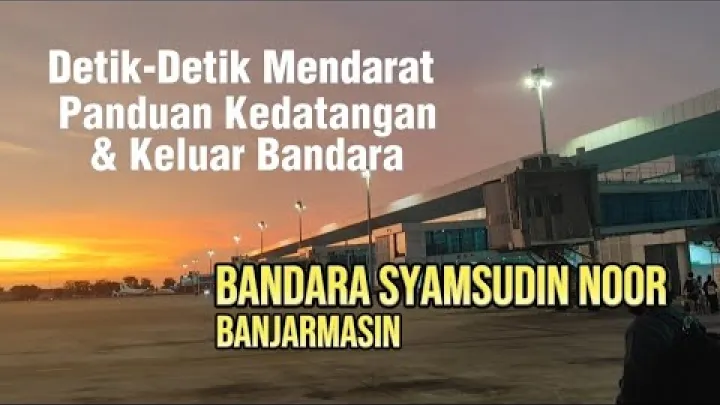
Carry your hotel name, full address, phone number, and a map screenshot. This is useful if your mobile data is not working yet or if the driver needs a clear destination. If you arrive late, have heavy luggage, or travel with children, pre-arranging the transfer can be worth the extra planning.
Before starting the journey, confirm the price or app fare, the destination, and whether tolls, parking, or waiting fees are included. Simple confirmation at the beginning prevents confusion at the end.
Road Transport in the City
Within Banjarmasin, travelers may use taxis, app-based rides where operating, private drivers, motorbike taxis, and short walks. The best option depends on your comfort level, luggage, group size, and the distance from your accommodation to river departure points or food areas.
Walking can be useful for short distances, but heat, rain, uneven pavements, traffic, and limited pedestrian space can make longer walks uncomfortable. For families or travelers carrying cameras and bags, car transport is often more practical than a motorbike taxi.
If you use a motorbike taxi, wear a helmet and avoid carrying bulky luggage. Confirm fares or app prices before departure. At night, use more predictable transport and avoid wandering through unfamiliar areas without a clear route back.
Boat Travel on Rivers and Canals
Boat travel is central to many Banjarmasin experiences, especially floating markets, canal exploration, and river views. For visitors, many boat trips are sightseeing arrangements rather than simple public transport, so details should be agreed before boarding.
Ask about the route, departure point, departure time, duration, stops, price, maximum passengers, and what is included. Also ask whether life jackets are available, especially if traveling with children or anyone who is not confident around water.
On the boat, keep your weight balanced, sit where the boat operator asks, and secure phones, cameras, hats, and bags. Morning sun, rain, spray, and changing currents can all affect comfort. At markets and near homes, avoid blocking traders, jetties, or household access for the sake of photos.
Where to Stay in Banjarmasin
For most first-time visitors, the best place to stay is the area that makes your early river plans simple. Comfort, transport access, and reliable communication with your hotel matter more than choosing a fashionable district.
Central Riverfront and Martapura River Area
The central riverfront area and places near the Martapura River are often the most practical base for a first Banjarmasin trip. Staying near the river can make it easier to arrange boat departures, enjoy river views, reach restaurants, and explore nearby urban areas without spending too much time in traffic.
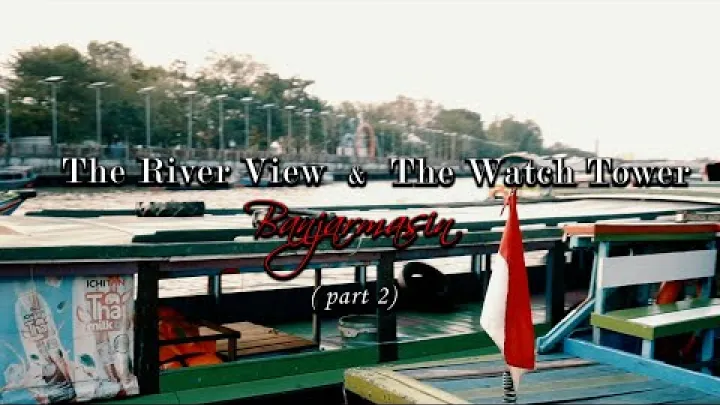
This does not mean every riverside property is equally convenient. Before booking, check the exact location, access to transport, distance to likely boat departure points, and whether staff can help arrange early morning trips. A hotel that looks close on a map may still require a vehicle depending on roads, bridges, and the exact meeting point.
If the floating market is your main reason for visiting, ask the hotel how early you need to leave, whether they can arrange a boat, and what happens if weather is poor. Clear answers are more useful than a scenic address alone.
Inland Hotels and Business-Oriented Areas
Inland hotels can be a good choice for business travelers, people who prefer quieter nights, or visitors who need easier road access. Some may offer stronger facilities, larger rooms, or better value than riverfront properties. The trade-off is that you may need more transport for boat trips and riverfront exploration.
Before booking an inland hotel, check travel time to the central riverfront, restaurants, markets, and your planned departure points. If you are only in Banjarmasin for one night, a distant location can make a pre-dawn start harder than expected.
The best choice depends on your priorities. Choose river access if your visit is built around boat trips and local atmosphere. Choose an inland or business-oriented property if comfort, road movement, or a specific meeting location matters more.
Homestays and River-Neighborhood Stays
Smaller local properties or homestay-style accommodation may offer a more personal view of Banjarmasin, but expectations should be clear. Facilities can vary, and not every traveler will be comfortable with simpler bathrooms, limited privacy, weaker Wi-Fi, or less predictable access.
Before booking, ask about air conditioning or fan quality, bathroom setup, locks, security, Wi-Fi, breakfast, transport access, and how the property handles heavy rain or high water. If the stay is in a residential river neighborhood, also ask how to arrive safely with luggage.
Immersive stays can be rewarding for flexible travelers, but they require respect. Keep noise low, dress modestly in shared areas, and remember that river neighborhoods are homes, not display spaces for visitors.
Best Things to Do in Banjarmasin
The best things to do in Banjarmasin are connected by one theme: daily life around rivers and markets. Plan fewer activities well rather than trying to fill every hour.
Visit the Floating Markets Responsibly
Floating markets are the signature Banjarmasin experience. They are usually associated with early morning activity, when traders and buyers are active on the water. The exact atmosphere can vary by day, season, weather, and current local trading patterns, so avoid expecting a perfect postcard scene every time.
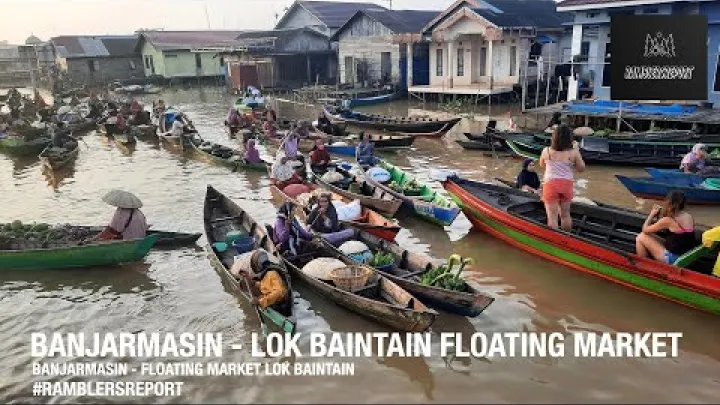
Arrange your boat trip in advance when possible, especially if you have only one morning in the city. Bring small cash, a protected camera or phone, light rain gear, and patience. If you buy food, fruit, or drinks, pay fairly and avoid aggressive bargaining over small amounts.
Floating markets are working spaces, not only tourist attractions. Keep your boat from blocking traders. Ask before taking close-up portraits. Wide scene photos are usually less intrusive than placing a camera very close to someone’s face while they are working.
Take a Canal or River Tour
A canal or river tour gives a broader understanding of Banjarmasin beyond the floating markets. You may pass houses on stilts or near the water, small jetties, bridges, boats, riverside businesses, and everyday scenes that show how water and roads share the city.

Early morning and late afternoon are often more comfortable because the light is softer and the heat is lower. However, the best timing depends on weather, tide or water conditions where relevant, and the operator’s route. Clarify the route, duration, shade, stops, and safety equipment before departure.
Keep your conduct respectful near private homes. Do not point cameras into windows, ask the boat to stop in a way that blocks local movement, or treat quiet residential canals as a stage. A good tour helps you understand the city without disturbing it.
Explore Mosques, Land Markets, and Riverfront Spaces
Banjarmasin’s urban experience also includes mosques, traditional land markets, casual food areas, and riverfront public spaces. These places are useful for seeing local routines outside the boat-tour setting.
At mosques and religious areas, dress modestly, remove shoes where required, and follow local guidance about where visitors may enter. Avoid entering restricted spaces and be especially respectful around prayer times. If you are unsure, ask politely or observe what others are doing.
Land markets are good places to see ingredients, snacks, household goods, and daily commerce. Keep bags secure, move slowly in crowded lanes, and ask before photographing stallholders closely. Riverfront spaces can be pleasant in the evening, but stay aware of traffic, uneven surfaces, and changing weather.
Learn About Banjar Food, Crafts, and Local Livelihoods
Banjar culture can be approached through food, markets, river livelihoods, and small local businesses. You do not need a formal cultural performance to learn something meaningful. Often the best learning comes from eating local dishes, watching how markets operate, and speaking politely with people when there is a natural opportunity.
If you visit workshops, craft sellers, or community-based experiences, check that the visit is welcome and that pricing is clear. Buying locally made goods can support small businesses when the item, quality, and cost make sense to you.
A respectful approach is important. Culture is not only something to consume. It is a living system of language, family, religion, arts, work, and local memory. Be curious, but do not pressure people to explain or perform more than they want to.
Consider Nearby Day Trips Carefully
Banjarmasin can be used as a base for nearby villages, river landscapes, and local-interest excursions, depending on current access and your available time. However, short visitors should be careful about adding day trips before they have experienced the city’s core river activities.
Before booking any nearby excursion, verify travel time, road or boat conditions, guide reliability, weather, return logistics, and what you will actually see. Some landscapes near cities can be mixed working environments rather than untouched wilderness, so ask clear questions if nature is your main goal.
A day trip is worth adding when it offers something clearly different from the floating market, canal tour, and city food experience. If it mainly creates a long day in transport, it may be better to spend more time slowly exploring Banjarmasin itself.
Food, Drink, Money, and Connectivity
Food and daily logistics are a big part of enjoying Banjarmasin. Carry cash, drink enough water, and learn a few simple Indonesian words for smoother interactions.
What to Eat and Where to Eat
Banjar cuisine often includes rice, river fish, soups, grilled or fried foods, sambal, coconut, and local snacks. You can eat in warung, which are small local eateries, street stalls, casual restaurants, and hotel restaurants. The best choice depends on your comfort level and food hygiene preferences.
For simple food safety, choose busy places where food is cooked fresh and turnover is high. Be more cautious with raw items, unpeeled fruit, ice from uncertain sources, and food that has been sitting out for a long time. Bottled or properly filtered water is the safer choice for many visitors.
If you have dietary restrictions, prepare clear Indonesian phrases or translation notes. Vegetarian, vegan, halal-specific, allergy, or gluten-related requests may need careful explanation. Do not assume that staff will understand international dietary labels without examples of ingredients you cannot eat.
Drinks, Coffee, and Alcohol Expectations
Common drink options include bottled water, tea, coffee, fruit drinks, and coconut water. In hot and humid conditions, hydration is not optional. Carry water during city walks and boat trips, especially if you are starting before breakfast or returning close to midday.
Alcohol may be more limited than in major resort destinations, reflecting local norms and the character of the city. Availability can vary by venue, and travelers should not expect a nightlife scene similar to larger tourist areas.
If alcohol is available where you stay or eat, be discreet and respectful. For many visitors, Banjarmasin is better approached through morning markets, food, and riverfront evenings than late-night entertainment.
Budgeting, Cash, Cards, and Mobile Data
Cash is useful in Banjarmasin, especially for markets, small eateries, boat operators, short transport, and small purchases. Cards may be accepted at hotels, larger restaurants, and some formal businesses, but do not rely on cards for every transaction.
Carry small denominations so you can pay for snacks, tips, short rides, and market purchases without creating change problems. Confirm prices before boat trips, transfers, guiding services, and informal transport.
Mobile data is important for maps, translation, ride apps, messaging hotels, and checking weather. Before traveling, check your roaming plan or local SIM requirements. Wi-Fi may be available in many hotels, but reliability can vary, so do not make your entire arrival plan depend on hotel Wi-Fi working immediately.
Safety, Etiquette, and Responsible Travel
Banjarmasin does not require unusual fear, but it does require normal urban awareness and extra care around boats, traffic, heat, and water. Good etiquette also makes travel smoother.
Personal Safety, Traffic, and Boat Safety
Use normal city precautions with belongings in markets, transport areas, and crowded places. Keep valuables secure, avoid showing large amounts of cash, and use predictable transport at night. If you are unsure about an area after dark, ask your hotel for advice.
Traffic can be stressful for visitors who are not used to Indonesian cities. Motorbikes, narrow roads, uneven pavements, and limited pedestrian space can make walking and crossing roads more demanding. Move slowly, avoid sudden steps into traffic, and choose car transport when carrying luggage or traveling with children.
For boat safety, sit steadily, follow the operator’s instructions, keep children close, and use a life jacket when available. Protect electronics from water and avoid standing suddenly for photos. If weather looks unsafe, postpone or shorten the trip.
Cultural Etiquette and Dress
Modest dress is a good default in Banjarmasin, especially in mosques, traditional markets, and conservative neighborhoods. Lightweight clothing that covers shoulders and knees is practical for both comfort and respect.
At places of worship, remove shoes where required, avoid restricted spaces, and follow local guidance. Do not photograph people praying without permission. If you are invited to enter a space, move quietly and observe before acting.
Polite greetings and patience go far. Learn simple Indonesian phrases such as hello, thank you, excuse me, and how much. Even basic effort can make interactions warmer and reduce misunderstanding.
Health Basics in a Hot River City
Heat, humidity, sun exposure, mosquitoes, and food or water changes are the main health issues many travelers should plan for. Drink water regularly, use sun protection, take breaks, and avoid overloading the middle of the day.
Use mosquito bite prevention such as repellent and suitable clothing, especially around dawn, dusk, and river areas. For food and water, choose freshly cooked meals and safe drinking water. Travelers with children, older adults, respiratory sensitivity, or heat sensitivity should plan a slower pace.
Before travel, seek personalized medical advice about vaccines, medications, and destination-specific health risks. Health guidance can change, and your personal medical history matters more than general travel advice.
Responsible Photography and Low-Impact Visits
Photography is one of the pleasures of Banjarmasin, but it should be done carefully. Ask permission for close-up portraits, especially at floating markets, land markets, and near homes. A smile and a simple gesture toward your camera can help, but accept a refusal without argument.
Do not block boats, doorways, jetties, market lanes, or traders to get a better angle. Keep noise low on quiet canals and avoid treating residential spaces as open sets. Pay fairly for goods, boat services, and guiding.
Small actions matter: carry your rubbish, avoid dropping plastic into waterways, and choose operators who show patience and respect toward local communities. Responsible travel in Banjarmasin is mostly practical courtesy repeated throughout the day.
Sample Itineraries and Final Planning Tips
The best Banjarmasin itinerary starts early, rests in the heat, and leaves room for changing conditions. Use these plans as flexible structures, not fixed schedules.
One-Day Banjarmasin Plan
For one day, arrange your boat trip the previous day if possible. Start before or around the early morning period for the floating market, then return for breakfast or rest. Keep the middle of the day light because heat, rain, and fatigue can make a full schedule unpleasant.
In the afternoon, choose one simple activity: a short market visit, a mosque or riverfront area, or a relaxed food stop. In the evening, take a brief riverfront walk if conditions are comfortable and transport back to your hotel is easy.
This plan gives you a taste of Banjarmasin, but it has little margin. If your arrival is delayed or weather disrupts the morning, you may miss the main experience.
Two-to-Three-Day First Visit Plan
With two to three days, Banjarmasin becomes easier and more satisfying. Use the first morning for the floating market, then rest and explore food or nearby riverfront areas later in the day. Use another morning or late afternoon for a separate canal or river tour focused on neighborhoods and city views.
Add land markets, local meals, and unstructured observation time. This slower pace helps you notice the city rather than simply moving through it. It also gives you a backup window if rain or logistics affect your first plan.
If you have a third day and reliable information, consider a nearby excursion. If access, timing, or value is uncertain, stay in the city and go deeper into food, markets, and river life instead.
Final Planning Checklist
Before you go, confirm your accommodation location, arrival transfer, boat arrangements, likely departure time for floating market visits, current weather, cash access, mobile data plan, and basic health preparations. Pack modest lightweight clothing, rain protection, sun protection, mosquito repellent, and a secure pouch for electronics on boats.
Also verify current transport options, tour availability, safety conditions, and access details close to your travel date. In Banjarmasin, small logistics can shape the whole experience, especially when you have only one or two mornings.
The best Banjarmasin travel guide can only take you so far; the rest depends on flexible planning and respectful curiosity. Start early, move slowly in the heat, and approach the city’s river life as daily reality, not just scenery.
Frequently Asked Questions
How many days do you need in Banjarmasin?
Two to three days is the best first-visit length for most travelers. One day is possible for a floating market and brief city overview, but it leaves little room for weather, delays, or rest.
Is Banjarmasin worth visiting on a first trip to Kalimantan?
Yes, if you are interested in river life, markets, local food, and everyday urban culture. It may not suit travelers looking mainly for beaches, luxury resorts, or highly standardized tourism services.
Do you need a guide or boat tour for the floating markets?
Most visitors arrange a boat for floating market visits, often through a hotel or local operator. A guide can help with timing, language, and context, but you should confirm route, price, duration, and safety equipment before departure.
What is the best area to stay in Banjarmasin?
For a first trip, the central riverfront area or places near the Martapura River are often the most practical choice. They can make boat trips, river views, food stops, and short city exploration easier.
Can you visit Banjarmasin without speaking Indonesian?
Yes, but basic Indonesian phrases and a translation app will help a lot. English may be less widely used than in Indonesia’s busiest tourist destinations, especially in markets and informal transport.
What should travelers verify before booking transport or tours?
Verify current routes, pickup points, prices, departure times, weather conditions, boat safety equipment, cancellation rules, and return logistics. This is especially important for early morning river trips and tight domestic connections.
Select area
Create a post
Posting is free and no registration is required.