Kuala Belait Travel Guide: What to Know Before You Go

This Kuala Belait travel guide is for first-time visitors who want a practical introduction to Brunei's western town and the wider Belait District. Kuala Belait combines a compact town centre, river views, coastal spaces, oil-industry heritage nearby, and access to forest excursions. It is quieter than Bandar Seri Begawan and more useful as a relaxed base than as a destination filled with major landmarks. The sections below explain how long to stay, how to move around, where to base yourself, what to budget, and how to plan safely.
Kuala Belait at a Glance
Before booking, separate Kuala Belait itself from the wider Belait District. The town is a convenient starting point for nearby coastal and cultural stops, while some of the district's forest and waterfall experiences require separate transport and outdoor preparation.
What Kuala Belait Is Like
Kuala Belait is a compact riverside and coastal town in Belait District with a slower, more local character. Its appeal comes from everyday surroundings: the commercial centre, the Belait River waterfront, quiet roads, parks, beaches, casual dining, and the rhythm of a working town. Visitors should not expect a dense collection of major museums, landmark buildings, or late-night entertainment.
A typical visit is less about checking off a long list of sights and more about combining a town walk with one or two nearby excursions. You might explore the town centre, spend time around the riverfront, visit Silver Jubilee Park and its adjacent beach, and then travel to Seria or Lumut. The experience is generally strongest when the schedule leaves room for weather, transport changes, and unplanned stops.
One to three nights is a useful planning range, not a fixed rule. One night can work for a brief town overview and a Seria stop. Two nights allow a more relaxed combination of town and coast. Three or more nights make sense when you have arranged a suitable forest, waterfall, or educational excursion rather than simply adding extra time to a small town itinerary.
Who Will Enjoy Kuala Belait
Kuala Belait is a good fit for travelers who enjoy:
- Quiet coastal spaces and low-key evening walks
- Local routines rather than a concentrated sightseeing district
- Oil and energy heritage, engineering, and the economic history of Brunei
- Short road trips to Seria, Lumut, and other Belait attractions
- Forest, waterfall, and outdoor experiences that require advance planning
The town can complement a stay in Bandar Seri Begawan rather than replace it. The capital offers a more concentrated selection of royal, religious, museum, and urban attractions, while Kuala Belait offers a quieter western base and a different view of Brunei. Travelers primarily seeking nightlife, large shopping districts, or a major resort scene may find Kuala Belait too limited. Those who prefer a calm town and flexible day trips may find that its modest scale is the main advantage.
Kuala Belait and the Wider Belait District
Belait District combines working industrial landscapes, coastal recreation, river environments, and forested inland areas. Planning by area helps prevent a common mistake: assuming that every Belait attraction is close enough to visit spontaneously from the town centre. The Brunei Tourism overview describes Belait as a waterfall district and notes recorded waterfalls across its forest reserves.
Town, Seria, and Inland Belait Compared
Use the following comparison as a planning guide rather than a map of strict tourist zones. Exact access, road conditions, and transport options depend on the site and the day of travel.
| Place | Atmosphere | Main interest | Transport need |
|---|---|---|---|
| Kuala Belait | Compact, local, riverside, and coastal | Town life, riverfront, parks, and practical services | Walks in the centre; vehicle for farther sites |
| Seria | Industrial and coastal | Oil heritage and the Billionth Barrel Monument | Road connection or confirmed local transport |
| Inland Belait | Forested and more remote | Forest reserves, trekking, and waterfalls | Private transport and possibly a suitable guide |
Kuala Belait is usually the most balanced base for a first visit because it combines accommodation, food, shops, and access to several types of outing. Seria may be more practical when oil heritage or work-related access is the main purpose. Inland Belait is not a conventional extension of the town walk. It is a separate nature plan with road, trail, daylight, and weather considerations.
Best Base Areas for Different Priorities
For most first-time visitors, the central town area is the best base. It offers the most practical access to shops, casual restaurants, daily services, the bus terminal, and the town's riverfront. It also reduces the need for a vehicle every time you want a meal or a short walk.
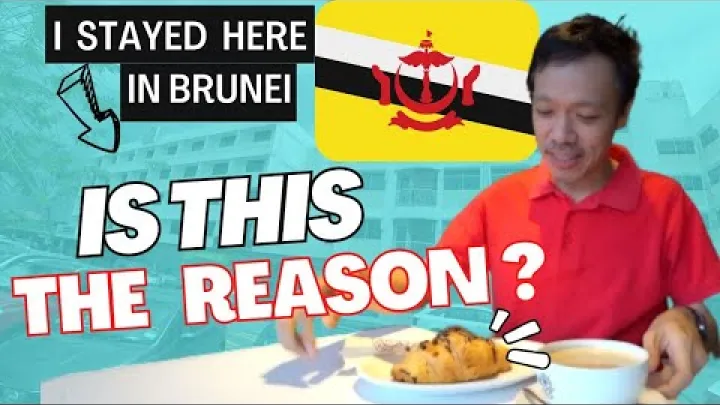
Waterfront or coastal accommodation is a better choice if open views, Silver Jubilee Park, and beach walks matter more than immediate access to the commercial centre. The trade-off is that dining and transport may be less convenient, so check the property's location rather than relying only on a Kuala Belait label.
Consider staying in Seria when the Billionth Barrel Monument, oil-industry context, or a work appointment is the main reason for the trip. For a broader first visit, however, Kuala Belait generally provides a more useful mix of town services and nearby options. No town base removes the need for separate transport to remote forest or waterfall sites.
Before booking, compare recent guest feedback, air conditioning, internet access, dining arrangements, transport access, and cancellation terms. The most attractive location on a map may be less useful if you arrive late, depend on public transport, or need an early departure.
Getting to Kuala Belait and Moving Around
Think of transport in two layers: reaching Kuala Belait by road, then arranging local movement between dispersed attractions. The town centre can support some walking, but Belait's most interesting stops are spread across a district where a private vehicle, taxi, or confirmed local driver can make the itinerary much easier.
Reaching Kuala Belait from Bandar Seri Begawan
Travelers generally reach Kuala Belait by road from Bandar Seri Begawan. The main choices are an intercity bus, taxi, private transfer, or self-drive arrangement where appropriate. A bus is the budget-oriented option and may suit travelers with a simple schedule. A taxi or private transfer costs more but is more flexible for luggage, late arrivals, multiple stops, and onward travel.
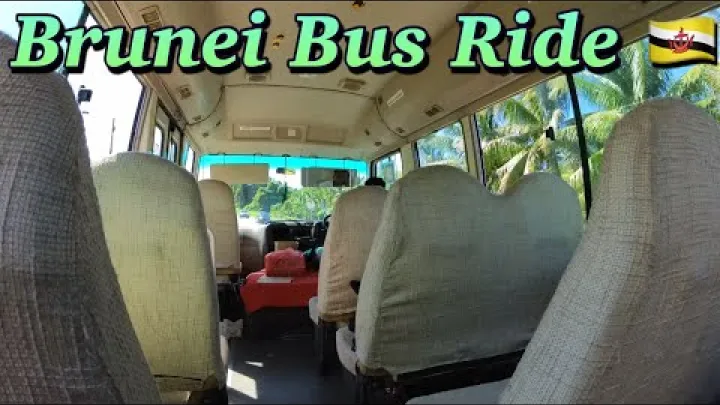
Self-driving can be useful for travelers who are comfortable with the vehicle, local road rules, fuel planning, and navigation. It is less useful if you intend to spend most of the time in the centre and do not want to manage a car. A private transfer can provide similar flexibility without making the visitor responsible for driving.
The Land Transport Department public bus route page is an official starting point for route information. Treat online route information as a planning aid rather than a complete promise of departure times or connections. A practical approach is to identify the likely route, then ask your accommodation or the terminal for the current departure pattern when your travel date is close.
Buses, Taxis, and Local Ride Options
The Kuala Belait Bus Terminal is the main practical reference point for local and intercity bus connections. A connection between Kuala Belait and Seria is reported, but travelers should not assume that a convenient departure, weekend pattern, fare, or late return will suit their itinerary. The most important risk is not usually reaching the first stop; it is being left with no practical return after visiting an attraction.
Before relying on a bus, confirm:
- The exact departure point and destination name
- The current departure times and fare
- Whether payment requires cash or another method
- The last realistic return, including the pattern on your travel day
- A backup option if the bus is full, delayed, or no longer running
Taxis or currently available local ride services are more useful when you have luggage, are traveling late, need several stops, or are visiting places outside the central area. Ride-hailing coverage and driver availability should not be treated as guaranteed. Confirm current bus departures, fares, and the last return at the terminal or with your accommodation before building a day around public transport.
Reaching Beaches, Parks, and Forest Sites
Central Kuala Belait sights can be combined on foot if you are comfortable walking in heat and humidity. The town centre, riverfront, and Silver Jubilee Park are the easiest places to consider together. Even there, allow for road crossings, limited shade, and the possibility that a short map distance feels longer in tropical weather.
Seria, Lumut, and the Tropical Biodiversity Centre generally require motorized transport from a Kuala Belait base. The best way to plan is to group stops by direction and purpose rather than trying to visit every named attraction in one day. For example, a town and riverfront walk can occupy one flexible block, while Seria or Lumut can form a separate half-day or full-day outing depending on access and opening arrangements.
Reaching a district is not the same as reaching a trailhead. Forest reserves and waterfalls may involve smaller roads, walking routes, stream crossings, or a final approach that ordinary buses do not serve. Arrange a private vehicle, local driver, or suitable guide for remote nature outings instead of assuming that a regular bus will stop at the start of a trail.
Where to Stay and How Long to Stay
Kuala Belait is most useful when the hotel supports your transport plan. Choose a central location for convenience, a coastal location for quiet and open space, or Seria for a focused oil-heritage or work-related visit.
Accommodation Choices in Kuala Belait
The accommodation market is primarily practical rather than built around a large backpacker scene or a broad luxury-resort selection. Travelers may find business hotels, serviced or apartment-style properties, modest hotels, and simple resort-style accommodation. The right choice depends more on location, transport, and current condition than on a generic hotel category.
Central properties are convenient for shops, casual dining, the bus terminal, and short town walks. Waterfront or coastal properties may provide a quieter setting and easier access to park or beach time, but may require a taxi or planned ride for meals and errands. A property in Seria can reduce transport for oil-heritage visits but may be less convenient for a wider Kuala Belait itinerary.
Use current listing pages such as Expedia to identify available properties, then check the hotel's own current information where possible. Confirm air conditioning, internet access, reception arrangements, on-site dining, cancellation terms, and recent guest comments. Business or oil-sector demand may affect availability during particular periods, so a flexible booking can be useful when your dates are not fixed.
How Many Nights to Plan
For one night, focus on a compact plan: arrive, settle in, walk through the town or along the riverfront, and visit Silver Jubilee Park if conditions and daylight allow. Add a Seria oil-heritage stop only when the transport sequence works comfortably with your arrival and departure.
Two nights suit travelers who want a less hurried combination of town, coastal recreation, and Seria. This length leaves more room for a delayed connection or a slower evening rather than forcing every activity into one arrival day.
Three or more nights are most worthwhile when you have arranged access for a forest, waterfall, or educational excursion. Do not add nights simply because the district has many attractions on a map. Let arrival and departure logistics, transport availability, fitness, and the time required for outdoor activities shape the stay. A buffer is more valuable than an overfilled schedule.
Things to Do in and Around Kuala Belait
The town's attractions are low-key, so the best experiences come from combining ordinary town life with one or two carefully selected trips. Think in terms of atmosphere, coastal space, oil heritage, and nature rather than expecting a large formal attraction circuit.
Town Walks, the Riverfront, and Silver Jubilee Park
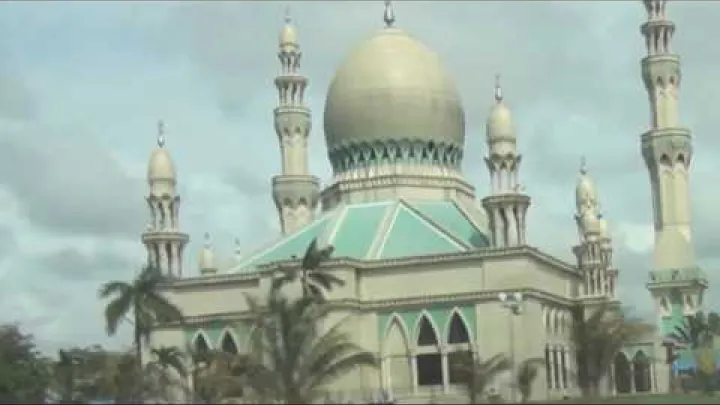
A simple Kuala Belait town walk can include the central commercial area, views of the Belait River, the area around the local mosque, and Silver Jubilee Park. These places help visitors understand how the town is used by residents rather than presenting it only as a collection of tourist monuments.
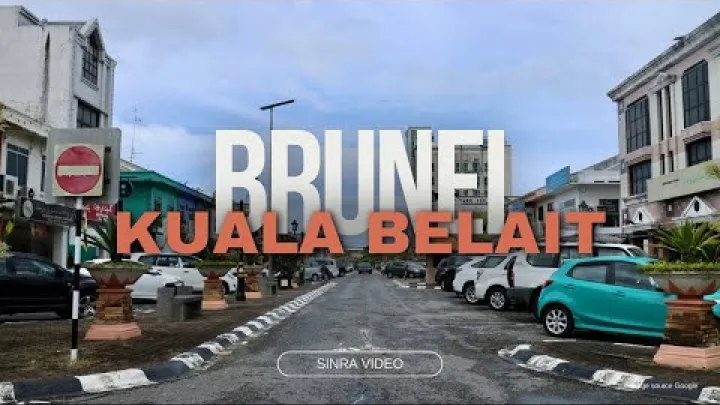
- Begin in the town centre for practical errands, food, and an overview of the local streets.
- Continue toward the Belait River waterfront for views and a slower change of pace.
- Visit the local mosque area respectfully from the appropriate public spaces.
- Finish at Silver Jubilee Park and its adjacent beach for a short walk, sea views, or relaxed family-oriented recreation.
Silver Jubilee Park is best approached as a local-oriented green and coastal space, not as a major theme park. Its appeal is a relaxed late-day visit, open views, and everyday use. Facilities, maintenance, and conditions can change, so use the area for the activities that are clearly suitable when you arrive rather than assuming that every beach or water activity is available.
Seria Oil Heritage and the Billionth Barrel Monument
A trip to Seria adds economic and industrial context to a Kuala Belait visit. Oil shaped the development and identity of Belait, and Seria provides a more direct setting for travelers interested in energy history, engineering, and working landscapes.
The Billionth Barrel Monument is the main named oil-heritage landmark commonly associated with the nearby area. It works well as a brief roadside or outdoor stop, especially when paired with a wider drive through Belait. Do not assume that the monument provides museum-style interpretation, unrestricted interior access, or a complete history of the oil industry.
Follow signs and any current access or photography instructions, particularly around active industrial areas. Plan the stop only after checking how you will return to Kuala Belait or continue to your next destination. If the visit is mainly for heritage interest, allow time to observe the setting rather than treating the monument as a long attraction visit.
Lumut Coast and the Tropical Biodiversity Centre
Lumut Beach and the Liang Lumut Recreation Club offer nearby options for simple coastal leisure, a picnic-style outing, and time outdoors. They may suit travelers who want an easy change from town streets without committing to a forest trek. The Tropical Biodiversity Centre offers a different type of visit and may appeal to people interested in local plants, ecosystems, and educational interpretation.
These sites suit different travelers. Choose Lumut for a relaxed coast-focused plan, and consider the Tropical Biodiversity Centre for an educational or family-oriented stop if visitor access is available. They should not be treated as guaranteed substitutes for a major national museum or commercial theme park.
Opening hours, guided arrangements, facilities, fees, and visitor access may vary. Confirm the current arrangement before making a special journey, and group the sites only when transport and available daylight make the combination realistic. If one site is not accessible, a town walk, riverfront visit, or meal can provide a simpler alternative without disrupting the whole day.
Belait Forest Reserves and Waterfalls
Belait's forest reserves and waterfalls are the district's most demanding attractions. They offer a different experience from Kuala Belait's parks and waterfront, but they should be planned as proper nature excursions. The town can serve as a base for food, accommodation, and transport; it is not the location of every waterfall.
Waterfall outings require trekking ability, suitable footwear, enough drinking water, insect protection, and realistic time planning. Individual sites differ in road access, trail difficulty, river crossings, guides, facilities, and the amount of daylight needed. A general description of Belait as a waterfall district does not establish the conditions at any particular site.
Before entering a remote forest area, get a current local assessment of trail conditions and arrange suitable transport or a guide. Ask specifically about recent rain, stream levels, access roads, and whether the route is appropriate for your experience. After heavy rain, do not continue with a route if local advice indicates that crossings or trails are unsafe. Avoid treating an unfamiliar remote route as an unsupported solo walk.
Best Time to Visit Kuala Belait
Weather planning matters because many Belait activities take place outdoors. It is more useful to plan for flexibility than to search for a month with guaranteed beach or trail conditions.
Weather, Heat, and Outdoor Planning
Kuala Belait has a warm, humid equatorial climate, with rain possible throughout the year rather than a guaranteed long dry season. Rain can affect beach comfort, town walking, forest trails, stream crossings, and waterfall plans. A morning that begins clear may not remain suitable for a full outdoor schedule.
Pack light, breathable clothing, rain protection, sun protection, insect protection, and enough water for the activity. Comfortable footwear matters even for a short park visit, and stronger footwear is needed for any trail. When practical, place walking and beach time earlier or later in the day, leaving the hottest period for food, rest, or an indoor stop.
Check a current forecast and local trail or beach conditions before committing to an outdoor plan. Keep a rain-day alternative such as town exploration, dining, shopping, or an educational stop if it is open. For a waterfall outing, treat weather and water conditions as a go-or-no-go decision rather than something to solve by simply carrying an umbrella.
Seasonality, Holidays, and Flexible Booking
Weather seasonality and booking seasonality are not the same. Accommodation demand and prices may change because of regional holidays, business activity, school breaks, or local events even when the weather difference between two months is modest.
If current listings show a price pattern between periods such as December to February and March to May, treat it as date-specific information rather than a guaranteed high or low season. Compare the total cost, cancellation terms, and transport needs for your actual dates instead of assuming that one period is always cheaper.
Ramadan, Eid, public holidays, and school breaks can affect opening hours, meal routines, transport patterns, and the pace of local activity. Check the relevant cultural calendar and confirm hotel availability when traveling during a holiday period. Flexible booking is especially useful when your itinerary includes small operators, public connections, or outdoor sites.
Costs, Safety, and Cultural Etiquette
A Kuala Belait budget is shaped less by entry tickets than by the choice between public and private transport. The town can be economical for simple walks and local meals, while remote activities can raise the total cost quickly.
Budgeting for Accommodation, Food, and Transport
Use the Brunei dollar, commonly written as BND, as the base for your travel budget. Organize spending into these categories:
- Accommodation and any deposits or booking conditions
- Meals, drinks, and occasional hotel dining
- Local transport in Kuala Belait
- Intercity transport between Kuala Belait, Seria, and Bandar Seri Begawan
- Entry costs or contributions for accessible attractions
- Private vehicles, drivers, guides, or outdoor arrangements
A lower-cost pattern usually combines a simple room, local eateries, public transport where practical, and free town or waterfront walks. A mid-range pattern may use a more convenient hotel and a mixture of local meals and private rides. An activity-focused plan needs a separate allowance for a vehicle, driver, guide, or nature excursion, even if the attraction itself has little or no stated entry cost.
Do not assume that a small town makes every outing inexpensive. A private ride to a dispersed attraction can cost more than several short town journeys, and a remote forest visit may require transport for the whole day. Reconfirm current accommodation and transfer prices in Brunei dollars before booking, and keep a dated budget so that quoted prices do not become confused with fixed rates.
Safety and Basic Travel Health
The Travel.gc.ca advisory recommends normal security precautions in Brunei, notes that violent crime is rare, and identifies petty crime such as theft and break-ins as a possibility. For visitors, that means using ordinary care rather than treating Kuala Belait as risk-free.
Secure passports, cash, phones, and other valuables, especially in vehicles and accommodation. Keep bags close in busy or quiet public areas, avoid leaving belongings unattended, and use extra care when arriving late or walking in places that are unfamiliar and poorly occupied. Follow local road safety practices and avoid turning a scenic stop into an improvised roadside hazard.
Heat, humidity, insects, food, water, and outdoor exertion are more likely to affect many travelers than serious crime. Drink enough water, protect yourself from sun and insects, pace walks, and carry suitable personal medication. For rivers, beaches, and forest areas, follow current local warnings and do not make assumptions about swimming, water depth, trails, or wildlife.
Travel insurance is useful for illness, cancellations, transport changes, and outdoor activities when the policy covers them. Keep your accommodation details available and know how to seek local medical or emergency assistance if a problem occurs.
Laws, Dress, Etiquette, and Entry Checks
Brunei has a conservative Malay Muslim social and legal context. Visitors should choose modest clothing, use respectful public behavior, and be careful with photography around people, religious buildings, government locations, and industrial areas. Cultural courtesy and enforceable law are related but not identical: a practice may be socially considerate in one situation while another rule may carry legal consequences.
Treat drug laws, alcohol restrictions, medication documentation, and public conduct seriously. Carry prescriptions or supporting medical documents for controlled or unusual medicines, and do not assume that rules from your home country apply in Brunei. Avoid bringing restricted substances without checking the current official requirements.
When visiting a mosque or other religious site, follow posted visitor rules, dress expectations, photography instructions, and prayer-time sensitivity. Non-Muslim visitors may have different access arrangements, and local practices may vary by site. During Ramadan or religious holidays, meal times, opening hours, and daily schedules may change.
Before departure, check current official Brunei rules for your nationality, passport validity, visa or entry requirements, arrival declarations, insurance expectations, medicines, alcohol, drugs, dress, and religious-site access. Administrative rules can change, so use official immigration, customs, and government guidance rather than relying on a general travel summary.
Build a Kuala Belait Itinerary
The best itinerary keeps the town easy and the wider district selective. Choose one main reason for each outing, then leave enough space for transport, weather, meals, and a slower pace.
One Night in Kuala Belait with a Seria Side Trip
This plan suits travelers making a short western Brunei stop. Use time blocks rather than an exact schedule:
- Arrival and check-in: Settle into a central or coastal property and confirm your next transport connection.
- Town and riverfront: Walk through the commercial centre, visit the Belait River waterfront, and take a respectful look at the local mosque area from public spaces.
- Late-day coast: Continue to Silver Jubilee Park and its adjacent beach if the weather, daylight, and local conditions are suitable.
- Seria stop: Use the following travel block for the Billionth Barrel Monument and the surrounding oil-heritage context, then return to Kuala Belait or continue onward.
Public-transport users should place the Seria visit only where the confirmed departure and return fit comfortably. Travelers with private transport can reverse the order, visiting Seria first and using the town and park as the later block. If the connection does not work or the weather changes, prioritize the town, riverfront, and food, and leave the oil-heritage stop for another visit rather than forcing a tight sequence.
Two or Three Nights for Coast and Nature
A relaxed version might use the first day for Kuala Belait town, the second for Lumut Beach and the Liang Lumut Recreation Club, and another block for the Tropical Biodiversity Centre if it is accessible. Keep the coast and educational stop together only when the route, opening arrangement, and available daylight make that practical.
An active version can reserve one full day for a properly arranged forest or waterfall excursion. Use another day for Seria or Lumut, and keep the town walk for arrival or departure. The nature day should be chosen according to fitness, current trail conditions, transport, guide availability, and daylight rather than simply the number of waterfalls shown in a district description.
Keep one flexible block that can absorb rain, delayed transport, or a decision to replace a remote outing with a lower-risk town or coastal activity. Do not promise that every named attraction can be combined in one day without checking current routes and opening information. A two- or three-night Kuala Belait itinerary works best when it has a clear priority and room to change.
Final Takeaways for Planning a Kuala Belait Visit
Kuala Belait is best for travelers who value a quiet town, coastal and river scenery, local routines, oil heritage, and access to less-developed parts of Belait District. Choose the central town as your default base, Seria for a more focused industrial or work-related visit, and a carefully arranged vehicle or guide for forest and waterfall plans. One night is enough for an overview, two nights create a more comfortable town-and-coast visit, and three or more nights are justified by properly planned nature activities. If you expect a relaxed pace and prepare for transport, weather, costs, and local etiquette, Kuala Belait can add a distinctive western dimension to a wider Brunei trip.
Select area
Create a post
Posting is free and no registration is required.