他曲旅行指南:规划环线与探索老挝中部

对于被石灰岩山脉、溶洞、安静的道路和湄公河吸引的旅行者来说,他曲是一个老挝中部实用的据点。这篇他曲旅行指南解释了这座小镇如何既能作为短暂停留点,又能作为他曲环线的起点。它涵盖了抵达路线、住宿选择、周边景点、孔罗洞、摩托车准备、季节性权衡以及安全问题。相比高度开发的度假胜地,这里是一个紧凑的省级城镇,提供大体上需要自主规划的乡村旅行体验。
他曲概览
他曲是甘蒙省的省会,位于湄公河老挝一侧,与泰国那空拍侬隔河相望。它的价值不在于拥有长长的城市景点清单,而在于其介于河流、历史街道和内陆喀斯特地貌之间的地理位置。
他曲以什么闻名
他曲最著名的身份是通往甘蒙省溶洞、石灰岩风光和乡村骑行路线的门户。许多游客在此开始或结束他曲环线,利用这座小镇租赁摩托车、购买补给、寄存行李并在路上的数天后休息。其他人则将其用作老挝中部的一个安静中转站,进行河畔漫步、品尝当地美食并参加精选的溶洞之旅。
The main attraction is the surrounding landscape rather than a dense concentration of city sights. This makes Thakhek a strong fit for travelers who enjoy independent planning and outdoor stops, but a less natural choice for someone seeking a large museum scene, frequent nightlife, or a polished resort stay.
How Thakhek Is Laid Out
The easiest mental map starts at the Mekong. The Thakhek riverfront runs along the western side of town and faces Thailand; it is a useful landmark for walks, meals, and finding the older central streets. The historic and colonial core sits nearby, with everyday shops, markets, cafés, guesthouses, and services spread through the central area.
Most first-time visitors can walk around the core, although a motorbike or tuk-tuk is useful for errands farther out. Rental shops and traveler-oriented accommodation are generally found around central Thakhek, while bus and minivan pickup points may be elsewhere. Ask your accommodation where your specific departure leaves from rather than assuming every service uses one terminal.
Who Should Choose Thakhek as a Base
Choose Thakhek if you want caves, karst scenery, Lao food, a slower provincial setting, and the option of a multi-day motorbike circuit. It also works for travelers who prefer to stay in one town and arrange one or two nearby outings rather than ride the whole loop.
Consider another stop if rail access, a broad hotel choice, luxury facilities, or a busy evening scene are priorities. Compared with the Vientiane, Vang Vieng, and Luang Prabang corridor, Thakhek usually requires more independent logistics and offers fewer ready-made activities. Motorbike riding is helpful, not compulsory, but it gives far more freedom outside town.
How to Get to Thakhek
Thakhek is primarily an overland destination. Build extra time into an itinerary, particularly if you have an international border crossing or a fixed onward connection on the same day.
Traveling from Vientiane and Other Lao Destinations
There is no direct Laos–China Railway station in Thakhek. A common approach is to use the railway to reach Vientiane, then continue by bus or minivan. Road services also connect Thakhek with destinations farther south, but journey length depends on the vehicle, stops, roadworks, weather, and traffic conditions.
For a long connection, plan for a full travel day rather than treating a published duration as a guarantee. Arriving in daylight is especially useful if you still need to locate accommodation, collect a rental bike, or arrange supplies. If your schedule is tight, stay in Thakhek before starting the loop instead of leaving for a rural overnight stop immediately after arrival.
Entering from Thailand via Nakhon Phanom
Nakhon Phanom is directly across the Mekong from Thakhek, making Thailand a logical approach for some itineraries. The practical details matter: the appropriate crossing, onward shuttle or local transport, visa eligibility, and immigration process can differ from what older travel reports describe.
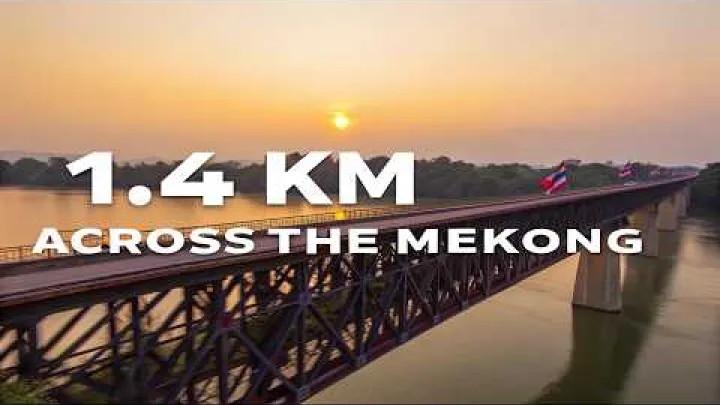
Before travel, verify the crossing’s current hours, your entry requirements, and whether your visa arrangement is accepted there. Do not plan to reach the border close to closing time; leave room for queues and for transport into central Thakhek after formalities.
Cross-border planning is separate from the domestic leg to Thakhek. Check the specific checkpoint’s current operating information through Lao Immigration, then confirm that the page matches the crossing on your itinerary. Also check whether your nationality can obtain the required permission at that crossing, what transport is available after immigration, and how much time you need for both sides of the border. Keep your passport, accommodation details, and onward transport information accessible, and avoid booking a same-day connection that leaves no room for queues or a delayed shuttle.
Arrival Logistics and Transport Verification
Transport in and around Thakhek is not always centralized. A booking confirmation may name a bus station, a roadside pickup point, an office, or a hotel collection point. One day before departure, confirm the exact terminal or pickup point, departure time, expected travel duration, luggage rules, and whether a transfer into town is included.
- Save the operator’s contact details and the name of your accommodation.
- Arrive early enough to resolve a changed pickup location.
- Ask whether the vehicle leaves at a fixed time or after seats are filled.
- Keep enough local cash for a tuk-tuk if the arrival point is outside the center.
Schedules can change, vehicles can fill, and road delays occur. Treat online listings and older traveler accounts as planning leads, not final operating information.
Where to Stay in Thakhek and Khammouane
Your best base depends on whether Thakhek is a town stop, a preparation point for the loop, or the first night of a cave-focused route.
The Riverside and Historic Center
For most first-time visitors, the riverside and historic center are the most convenient areas. They place you within walking distance of food, basic shops, markets, cafés, and the Mekong. The setting is low-rise and locally oriented, with an atmosphere better suited to an evening meal and a riverfront walk than to nightlife.
Check a current map before booking because properties described as “riverside” or “central” can still be several blocks from the places you want to reach on foot. A central stay is particularly useful on arrival day, when you may need to buy cash supplies, find food, or clarify transport plans.
Choosing a Base for the Loop and Cave Trips
Thakhek is the most useful preparation and return base for a self-guided loop. It is where you are most likely to find motorbike rental, luggage storage, basic repairs, and people familiar with the route. Staying in town also gives you a simple place to return to if weather, a mechanical issue, or a change of plans shortens the trip.
For Kong Lor Cave and more distant rural stops, an overnight nearer the attraction may make better use of your time than a long return to town. A town-based stay is best for nearby excursions; a multi-day route is better for travelers who want Kong Lor and several landscape stops without rushing. In smaller settlements, confirm rooms and transport directly before relying on them.
Booking and Accommodation Expectations
Thakhek has simple guesthouses, budget rooms, and a limited number of more comfortable private-room options. Standards, room condition, and English-language assistance can vary, so recent reviews and a direct message to the property are useful.
For loop travelers, practical features matter more than a long amenities list. Ask about secure motorbike parking, luggage storage, early or late check-in, laundry, and help arranging local transport. In the drier travel months, booking ahead can reduce stress, especially if you arrive late or need a specific room type.
Best Things to Do in Thakhek and Khammouane
Give the town some time, then use it as a launch point for the landscapes that make Khammouane distinctive.
Explore Thakhek Town
A relaxed half-day is enough to understand the town. Start around the historic streets, walk toward the Mekong, browse a local market, and stop for Lao food or coffee. The colonial-era buildings and everyday street life are part of the appeal, even where individual buildings are not formal visitor sites.

Use the afternoon before a loop for practical tasks: withdraw cash, buy water and snacks, download offline maps, and organize luggage. In the evening, the riverfront is a natural place to slow down. Thakhek’s entertainment is generally centered on food, conversation, and rest rather than late-night venues.
Visit Nearby Caves, Lakes, and Karst Landscapes
Beyond town, limestone formations define the region. Tham Nang Aen Cave and Tha Falang are commonly mentioned nearby stops, alongside other caves, water sites, viewpoints, and rural roads. They suit different travel styles: some can fit a short outing, while others are better included as part of a longer route.
Access may require a motorbike, an arranged driver, or a locally organized excursion. Entrance arrangements, water access, road surfaces, and opening times can change, so do not build a tightly timed day around unconfirmed details. Group stops by direction and allow time for slower roads, rather than trying to visit every named site in one day.
Plan a Visit to Kong Lor Cave
Kong Lor Cave, also called Tham Kong Lo, is one of Khammouane’s major attractions. It lies along the Route 8 corridor in the province and is known for a boat journey through a large limestone cave system. The provincial tourism description from Discover Laos places it in the mountainous landscape near the Vietnam border.
Kong Lor works best as the anchor of a multi-day journey or a dedicated cave itinerary. Water levels, rain, local boat operations, fees, and transport arrangements affect the visit, so confirm these directly before leaving. Pack footwear that can cope with damp surfaces and keep electronics protected from water.
Planning the Thakhek Loop
The Thakhek Loop is not one fixed itinerary. It is a flexible multi-day circuit through rural Khammouane, usually built around caves, karst scenery, villages, and Kong Lor. Your route, overnight stops, and direction should match your skills and the conditions you encounter.
Route Structure and How Many Days to Allow
Three days can be enough for a compressed loop, but it leaves little space for long stops, rain, route errors, or a mechanical delay. Four days is a more balanced default for many riders. Five days or more is preferable if you want unhurried cave visits, photography time, a rest morning, or contingency before an onward bus.

| Time available | Best for | Main trade-off |
|---|---|---|
| Three days | Confident riders with limited time | Very little buffer |
| Four days | Most first loop itineraries | Requires sensible daily pacing |
| Five days or more | Slow travel and weather flexibility | More accommodation nights |
Do not treat a map distance as the whole story. Cave detours, rough surfaces, photo stops, village traffic, and a late start can turn a short-looking leg into a demanding day.
Choose and Prepare a Motorbike
An automatic scooter can suit riders comfortable with paved roads, light luggage, and simple controls. A semi-automatic motorcycle can offer more control on uneven ground and slopes, but only if you already know how to use it. Choose the machine that matches your proven riding ability, not the model that seems most adventurous.
Shops such as Wang Wang Motor Rental are often discussed by travelers, but treat any named business as a local option to assess yourself rather than a guaranteed recommendation. Before paying, inspect and photograph the bike from all sides, test brakes, lights, horn, tires, mirrors, and fuel level, and record existing damage. Confirm the deposit, damage terms, helmet provision, repair support, return time, and what to do if the bike fails. Carry the legal documents and insurance appropriate to the vehicle and route.
Roadside Logistics and What to Pack
Outside Thakhek, services become less frequent. Do not assume every settlement has an ATM, dependable mobile signal, a repair shop, fuel, or a room available when you arrive.
- Safety: a properly fitted helmet, basic first-aid supplies, rain layer, and closed footwear.
- Navigation: an offline map, charged phone, power bank, and a flashlight for dark cave areas or an unexpected late arrival.
- Comfort: drinking water, sun protection, dry bags or waterproof covers, and secure luggage.
- Money: enough Lao kip for fuel, food, rooms, and an unplanned repair or transfer.
Fill up when fuel is available rather than waiting for the next village, start riding early, and keep the day’s destination flexible enough to stop when light or conditions deteriorate.
Options for Travelers Who Do Not Ride
You can visit Thakhek without riding. Stay in town, explore on foot, and arrange selected cave or landscape trips with a driver, guide, or locally recommended provider. This is often the better choice for travelers without motorbike experience.
Public transport to rural attractions may be limited, slow, or difficult to coordinate, so it is not a seamless substitute for the full loop. Ask your accommodation about currently operating private transfers or shared excursions, compare the cost with the time saved, and consider a shorter cave-focused itinerary if a full circuit is not realistic.
Costs, Money, and Daily Practicalities
Thakhek can suit a modest budget, but rural travel adds costs that are easy to overlook. Keep a contingency fund rather than budgeting only for a room and meals.
Build an Indicative Thakhek Budget
Separate your budget into accommodation, food, intercity transport, local transfers, motorbike rental, fuel, cave or site charges, and emergency money. Prices for rentals, rooms, boats, and entrance arrangements are variable and should be confirmed at the point of booking; exchange rates also change quickly.
A town-based visit usually has fewer moving parts than a self-guided loop. A loop adds the bike, fuel, rural overnights, and possible repairs. A more comfortable itinerary may add private rooms, arranged transport, and extra nights near Kong Lor. Request current quotes, keep receipts for deposits, and avoid building a plan around an old price found online.
A useful way to compare plans is to price one complete riding day rather than only the room: add the bike quote, fuel allowance, meals, rural room, site or boat charges, and a reserve for a transfer or repair. Then compare that total with a town-based day, which may cost more in arranged transport but less in rental and fuel. Ask for prices in Lao kip, check what a deposit or boat ticket includes, and leave room for exchange-rate movement. Where no current published rate is available, a quote from the rental shop or accommodation is more reliable than a historical blog figure.
Cash, ATMs, Payments, and Food
The Lao kip is the practical currency for daily spending. Obtain cash before leaving town and retain a backup reserve for the road. ATM availability, withdrawal limits, and card acceptance vary by location and can change, so check locally before you depend on a specific machine or payment method.
In Thakhek, markets, street stalls, and simple restaurants are useful for affordable meals. Budget separately for water, coffee, snacks, and drinks, especially before riding days. Outside town, carry enough cash to pay for food, fuel, and accommodation without assuming foreign currency or digital payment will be accepted.
When to Visit Thakhek
Season affects the loop more than it affects a simple town stay. Your route and comfort with rain should guide the decision.
The Cooler Dry Season for Loops and Caves
For a motorbike-focused Thakhek trip, November to March is often a practical window because conditions are generally drier and temperatures can be more comfortable for long days outside. Broad Laos climate guidance identifies roughly October to April as the drier travel period; see Audley Travel for that wider seasonal context.
Drier weather can make rural riding and outdoor sightseeing more manageable, but it is not a promise of perfect conditions. Demand for suitable rooms and rental bikes can be higher in popular travel periods, so make key arrangements earlier when your dates are fixed.
Wet-Season Trade-Offs
The wetter months can bring greener scenery and a quieter feel, but also heavy rain, slippery surfaces, road damage, delays, and changing cave conditions. A stay in Thakhek itself may still be enjoyable when a full rural circuit is not predictable.
Wet-season visitors should plan shorter riding days, choose accommodation with changeable dates where possible, and be ready to replace a distant stop with a town day. The loop and caves are not automatically inaccessible in every wet period, but they require more patience and a higher tolerance for route changes.
Check Conditions Before Leaving Town
Before each rural departure, check the current forecast, recent rainfall, road surface, bridge access, cave operations, fuel availability, and intended overnight accommodation. Ask more than one local source: your rental shop, accommodation, site staff, and transport providers may each know different parts of the route.
Give greatest weight to official notices where available and to people who have recently traveled the specific road. Add buffer days if remote roads are part of the plan or if you have a time-sensitive onward connection. A current local answer is more useful than a seasonal generalization.
Safety and Responsible Travel
Most safety decisions in Thakhek are practical: choose an appropriate route, avoid unnecessary risk, and prepare for limited services outside the town.
Motorbike and Road Safety
Wear a helmet, ride in daylight, keep speed low on unfamiliar roads, and expect livestock, loose gravel, potholes, mud, and changing surfaces. Do not ride after dark or leave on a rural leg during severe rain. If you are inexperienced, reduce the route to paved, shorter sections or arrange a driver instead.
Make a clear go-or-no-go decision each morning. Do not continue simply because you have booked the next room. If the bike develops a fault, the weather worsens, or you feel too tired to concentrate, stop and use the rental provider’s support arrangements or return to a safer base.
Unexploded Ordnance and Rural Exploration
Unexploded ordnance remains a risk in parts of Laos. The U.S. Department of State includes unexploded ordnance among the reasons travelers should use increased caution in Laos.
Stay on established roads, recognized visitor routes, and marked paths. Do not walk into unmarked fields or forest areas to create a shortcut. If you see an unknown metal object, do not touch, move, collect, or photograph it at close range; move away and seek local guidance.
Advisories, Alcohol, and Emergency Preparation
Read your own government’s current travel advice before departure, including information on crime, unrest, and local conditions. Carry travel insurance suited to motorbike riding if you plan to ride, keep copies of documents separately from originals, save emergency contacts, and keep your phone charged.
Be conservative with alcohol, particularly unregulated or unfamiliar spirits, which can carry a methanol-poisoning risk. Avoid riding after any alcohol use, never leave drinks unattended, and seek medical help quickly if someone becomes seriously unwell after drinking. Your accommodation can provide current local contacts and practical help if you need to return to Thakhek or arrange assistance.
Build the Right Thakhek Itinerary
A successful itinerary leaves room for transport uncertainty and weather instead of filling every hour with distant attractions.
A Two- to Three-Day Town and Nearby-Sites Plan
Day one can be an arrival and orientation day: settle into the historic center, walk the riverfront, eat locally, and organize cash and transport. On day two, choose one locally confirmed nearby cave, water stop, or arranged outing rather than several distant sites. Use day three as either a second outing, a rest day, or a decision point for whether conditions and confidence support extending into the loop.
This plan suits short-stay visitors, non-riders, and travelers who want to assess local conditions before committing to rural travel. It also leaves room for a delayed bus arrival without losing the whole itinerary.
A Four-Day Loop-Focused Plan
Use the first part of day one in Thakhek to inspect the bike, organize luggage, and buy supplies, then begin only if there is enough daylight for a comfortable first leg. Days two and three can focus on rural riding, caves, and a major anchor such as Kong Lor, with the order determined by current road conditions and your chosen direction.
Reserve day four for the return to Thakhek, bike handover, luggage collection, and preparation for onward transport. Keep optional sightseeing secondary to the return buffer. Each morning, confirm the next leg with current local information before deciding how far to ride.
A Five-Day or Longer Plan with Extra Buffer
With five days or more, you can ride shorter daily sections, spend more time around Kong Lor, add cave and karst stops without rushing, and absorb rain or a mechanical delay. This is the stronger choice for first-time riders, travelers carrying substantial luggage, photographers, and anyone with a fixed bus, flight, or border crossing afterward.
Use Thakhek for preparation, services, and a dependable return point. Treat the loop as conditions-dependent rather than as a route to complete at any cost, and verify the next rural leg before you leave each morning.
选择区域
创建帖子
发帖是免费的,无需注册。