My Tho Best Time to Visit: Seasons & Monthly Guide

The best time to visit My Tho is usually December to February, when lower rainfall makes it easier to plan time on the Tien River, visit orchard areas, and explore the riverfront. My Tho stays warm throughout the year, so choosing a month is mainly about rain, humidity, heat, and the kind of Svæðið Mekong Delta experience you want. The rainy months can still be rewarding for fruit, greenery, and a quieter atmosphere, but they need a more adaptable itinerary. This guide explains the local seasonal pattern, the wider delta floating season, and how each part of the year feels in practice.
My Tho Best Time to Visit: The Short Answer
For the most straightforward visit, choose the drier part of the year. For seasonal fruit, lush vegetation, or a stronger sense of changing river life, the wetter months can be a better personal match despite less predictable outdoor conditions.
Best Overall Window: December to February
December to February is the best overall window for most visitors to My Tho. Rain is generally less frequent than during the middle of the year, making boat excursions, walks along the My Tho riverfront, cycling, and visits to river islands easier to schedule. It is a useful period for travelers taking a short trip from Ho Chi Minh City who want the greatest chance of completing a planned day outdoors.
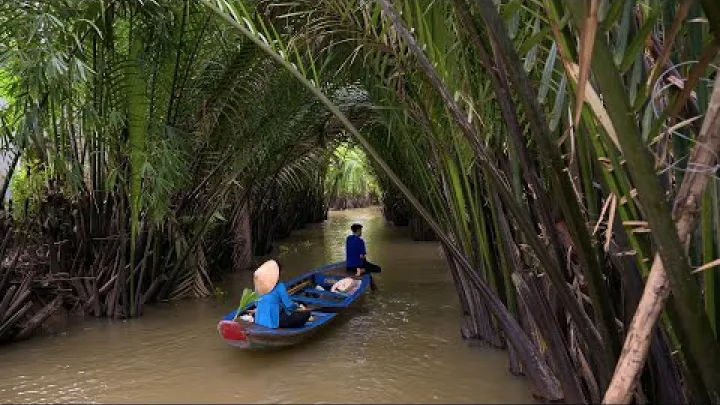
January and February are relatively comfortable by southern Víetnam standards, but My Tho is still tropical and warm. Visitors should expect sunshine and daytime heat rather than cool weather. February is often identified as the driest month in available local climatology, although a dry-season average cannot guarantee a rain-free day.
Tet, the Lunar New Year holiday, can fall in January or February depending on the year. It can add festive decoration and a valuable cultural dimension to a trip, but it may also mean altered opening hours, higher demand for transport, and limited availability. Travelers choosing dates around Tet should decide whether they value the holiday atmosphere more than a low-friction sightseeing schedule.
Best Alternatives for Fruit, Greenery, and River Life
June to August is a strong alternative for visitors drawn to tropical fruit, green orchard landscapes, and agricultural life around My Tho. River islands and orchard areas can look especially lush after regular rain. This is a better choice for travelers who do not need every hour of the day to follow a fixed outdoor schedule.
September to November suits visitors interested in elevated water levels and the seasonal river culture associated with the wider Svæðið Mekong Delta. The most dramatic floating-season scenes are commonly found farther upstream in delta floodplain areas, not necessarily on standard routes from central My Tho. My Tho can still provide a water-oriented delta experience, but it should not be presented as identical to the heavily inundated landscapes elsewhere in the region.
When to Plan More Carefully
April can be difficult for travelers sensitive to intense heat. It often retains the practical advantages of the drier season, yet exposed boat rides, riverside walks, and cycling can feel demanding around midday. It works best for visitors who are comfortable starting early, pausing during the hottest hours, and treating shade and hydration as part of the itinerary.
From May to November, showers, thunderstorms, humidity, and changing river conditions create more uncertainty for outdoor plans. This is not automatically a season to avoid: rain may be brief, and the landscape can be at its greenest. The trade-off is clear. Choose the dry season for simpler scheduling and choose the wet season for tropical scenery, fruit-focused experiences, and greater acceptance of weather-related changes.
My Tho Climate: Dry Season, Rainy Season, and Local Context
My Tho is in Tien Giang Province on the Tien River, and much of its visitor appeal is connected to the water: riverfront views, boat piers, nearby islands, and orchard visits. Rainfall and humidity therefore affect not only comfort but also the practical flow of a day out.
My Tho's Warm Tropical Baseline
My Tho has a warm lowland tropical climate with relatively small temperature changes across the year. The larger seasonal difference is rainfall, followed by humidity, cloud cover, and river conditions. Available third-party Climate-Data.org figures place the mean annual temperature at about 26.9°C and annual rainfall at about 1,834 mm, while also identifying February as the driest month. These figures are useful broad context, not an official city weather-station forecast or a promise of conditions on a particular date.
For visitors, the practical conclusion is simple: bring clothing for warmth in every season. The question is whether you prefer sunnier, less humid conditions for moving around town and taking boats, or greener, wetter conditions that better suit a flexible pace.
Dry and Rainy Season Pattern
My Tho broadly follows the southern Svæðið Mekong Delta pattern of a drier season from about December to April and a rainy season from about May to November. The exact transition varies by year, and regional travel guidance may place the boundaries slightly differently. During the drier period, lower rainfall usually supports more predictable walking and boat plans. During the wetter period, rain can arrive in heavy, localized showers rather than falling continuously all day.
Southern Víetnam is generally less associated with the typhoon pattern that affects some central and northern parts of the country. That does not mean weather disruptions are impossible. Heavy rain, thunderstorms, gusty conditions, and high water can still affect local activities, particularly those conducted on open water or exposed paths.
Climate Averages Versus the Live Forecast
Monthly climate information helps you choose a season, but it cannot tell you whether a particular boat-trip morning will be dry or whether an afternoon thunderstorm will develop. This distinction matters most from May to November, when lightning, strong gusts, and localized heavy rain can change outdoor plans quickly. Before finalizing outdoor activities, consult the National Center for Hydro-Meteorological Forecasting and another reliable current forecast for rainfall information and weather warnings.
What Each Season Means for a My Tho Visit
The same climate pattern has different effects depending on whether your priority is sightseeing, orchard visits, photography, or seasonal river culture.
Dry Season: December to April
The dry season is the easiest period for classic My Tho activities. A river cruise from the boat piers, a visit to orchard areas, cycling on island lanes, and a walk around central My Tho are generally simpler to combine when rain risk is lower. Clearer and brighter conditions can also help visitors who want to photograph the river and everyday activity along the banks.
December through February is usually the more comfortable part of this season. March and April tend to feel hotter, particularly on boats with limited shade or on open roads. Demand may be stronger around major holidays and popular travel periods, but accommodation and tour availability vary by year, so no fixed price pattern should be assumed.
Rainy Season: May to November
The rainy season brings hot, humid days and variable showers or thunderstorms. Rain is often more likely later in the day, but that is a pattern rather than a fixed rule. A morning can be wet, a sunny afternoon can turn stormy, or rain can pass quickly enough for plans to resume.
For visitors, the effects are practical. Boat piers may be slippery, island paths can become muddy, road surfaces may hold water, and photography may involve flatter light or sudden dramatic skies. In return, vegetation is greener and orchards may be more productive. Travelers who build in time for a covered café, a market visit, or a slower town-based activity are better placed to enjoy this season than those following a tightly timed itinerary.
Floating Season in the Wider Svæðið Mekong Delta: September to November
The floating season is a broader Mekong Basin and delta hydrological period associated with seasonally higher water and livelihoods adapted to it. For visitors, its appeal can include water-based transport, fishing activity, and a closer view of how communities respond to seasonal changes in the river landscape.
My Tho is downstream from several of the delta areas best known for extensive floodplain scenery. Conditions in the city and on nearby routes can therefore be subtler than in upstream destinations. If floating-season landscapes are your main reason for traveling, ask whether a proposed excursion actually reaches a flood-affected area; do not assume that every My Tho boat route offers extensive inundation.
My Tho Month-by-Month Travel Feel
The following guide is a planning tool rather than a day-by-day prediction. Nearby southern lowland climate summaries also show the broad shift toward much wetter conditions from around May, which is useful regional context but not an exact substitute for My Tho observations.
January to March: Dry, Bright, and Increasingly Hot
January: A good month for boat trips, walking, and exploring at a steady pace. Conditions are often relatively dry and bright, although strong sun remains possible.
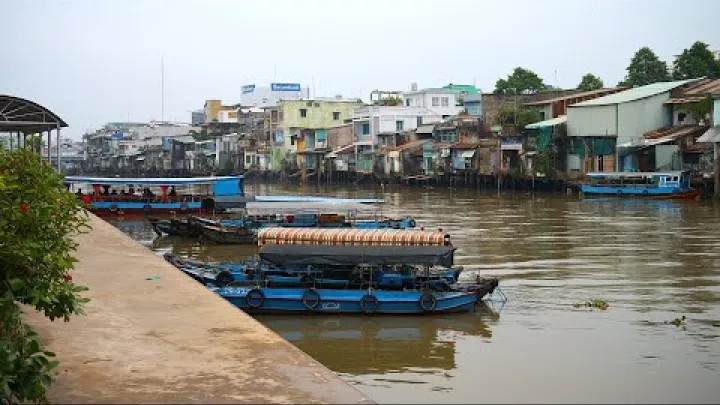
February: Usually one of the best months for reliable outdoor plans and commonly the driest point of the year in available My Tho data. Tet may fall during this month, so holiday dates should be considered separately from weather expectations.
March: Still generally favorable for dry-weather travel, but heat becomes a more important factor. It suits visitors who can plan active sightseeing in the cooler parts of the day.
April to June: Heat, Transition, and First Rains
April: Often the month when heat is the main concern. Dry-season logistics can remain convenient, but long periods on the river or outdoors need a slower pace and serious sun protection.
May: A transition month with mixed conditions possible. Humidity rises and more regular rain begins to affect planning, yet dry intervals can still occur.
June: Rainy-season conditions are more established. This is a good time for travelers interested in green landscapes and fruit-related experiences who can adjust the timing of outdoor activities.
July to September: Wettest Conditions, Fruit, and Humidity
July: Expect substantial wet-season variability, humidity, and rich greenery. Orchards and rural scenery can be appealing, but a flexible schedule is essential.
August: Rain and humidity continue, with occasional wind affecting the feel of open river travel. It can be a quieter time to visit, while orchard areas may remain productive.
September: Wet conditions usually continue, while interest in the wider delta floating season begins to increase. It is best for travelers who prioritize seasonal atmosphere over dependable sunshine.
October to December: Late Rains, Transition, and Dry-Season Return
October: Rain and thunderstorms can still occur, and wider-delta floating-season interest remains relevant for suitable routes. This is not yet a fully dry-season experience.
November: A useful compromise month as rainfall may begin to ease, though residual wet-season variability remains possible. It can suit travelers seeking a transition period rather than guaranteed dry weather.
December: Generally marks the return of drier, more comfortable all-round conditions. It is the beginning of the strongest period for visitors who want My Tho sightseeing with fewer weather complications.
For a detailed nearby regional comparison, Climates to Travel describes the southern Víetnam rainfall pattern around Ho Chi Minh City. Use it as regional context, since local rain and river conditions in My Tho can differ.
Choose the Best Time by Travel Priorities
There is no single ideal month for every traveler. The best time depends on whether certainty, scenery, fruit, cultural timing, or river-season character matters most.
For Comfortable Boat Trips and Sightseeing
Choose December to February for the clearest fit. Lower rain risk makes it easier to arrange time on the Tien River, depart from My Tho boat piers, visit river islands and orchards, and walk around the riverfront without building the entire day around showers. March can also work for travelers who value dry conditions more than mild heat.
Even in the recommended season, a calm-looking monthly pattern is not a same-day boating forecast. A local weather check remains useful before committing to a river excursion.
For Orchards, Fruit, and Lush Landscapes
June to August is a sensible choice for visitors who value greenery and orchard produce more than uninterrupted sunshine. The wet season can make the agricultural setting feel especially tropical, and the landscape around river islands may look fuller and more vivid.
The compromise is practical rather than theoretical: paths may be wet or muddy, and rain can interrupt an outing. Do not plan around a specific fruit unless a current local provider confirms its availability, as harvest timing differs among orchards and changes with weather.
For Floating-Season Experiences and River Culture
September to November is the best broad period for visitors interested in seasonal water landscapes and flood-adapted livelihoods across the Svæðið Mekong Delta. This choice favors distinct river culture over maximum weather reliability. It may be especially worthwhile when combined with an itinerary that reaches destinations known for stronger floating-season effects.
Higher water does not automatically mean better or safer boating. Route conditions and the actual character of the experience vary widely across the delta, so choose this period for its seasonal perspective rather than for a guaranteed visual result.
For Lower Prices, Smaller Crowds, and Cultural Timing
Rainy-season and shoulder-season dates may feel quieter and can sometimes offer better value, but prices and availability depend on current demand, weekday patterns, and the individual property or tour. Compare live options rather than treating any month as automatically cheap.
Tet is a reason to choose January or February if you want a holiday-centered visit. It can also create closures and transport pressure. Check opening hours for places you hope to visit, and book transport and accommodation before committing to February travel dates around the holiday.
Practical My Tho Weather Planning
A little preparation makes My Tho enjoyable in either season. Focus on sun protection, clothing that dries quickly, and an itinerary that matches the weather sensitivity of each activity.
What to Wear and Pack
Wear lightweight, breathable clothing year-round. Long, light layers can be useful for sun protection on the river and while cycling, and modest clothing is practical for general travel in town and rural areas. Bring a hat, sunscreen, drinking water, and comfortable footwear that can handle boat transfers and uneven paths.
During the rainy season, add a compact rain layer or umbrella and waterproof protection for phones, cameras, and documents. Heavy cold-weather clothing is not normally needed, but a light layer can be welcome in strongly air-conditioned transport.
How to Time Boat, Orchard, and Walking Activities
When practical, schedule exposed river trips, orchard walks, and riverfront sightseeing for the morning or late afternoon. This is particularly helpful in the hotter dry-season months, when midday sun can be intense. Carry water, use sun protection, and choose lightweight clothing for activities with limited shade.
In wetter months, leave room for a covered or town-based alternative, such as a relaxed meal or time in a sheltered local venue, rather than treating a shower as the end of the day. This approach allows the most weather-sensitive activities to move to the clearest available period.
Check Conditions Before Departure
Use a short pre-departure checklist: review current forecasts and warnings; confirm your boat departure time; ask what route will be used; and understand the operator's cancellation or rescheduling policy. This is especially important when rain, lightning, or strong wind is forecast. Boat operators may alter, delay, or cancel routes when conditions create safety concerns, so confirm the departure and route directly with the operator on the day of travel.
Long-term climate guidance helps select a month. Live forecasts and operator information determine what is sensible to do on a specific day.
Final Recommendation for Visiting My Tho
For most travelers, visit My Tho between December and February for the best balance of lower rain risk, manageable humidity, and easy access to outdoor river and orchard activities. Choose March or April only if you are comfortable with stronger heat. Choose June to August for lush scenery and fruit-focused travel, or September to November for a wetter, more seasonal view of the wider Svæðið Mekong Delta. Whatever month you choose, plan around My Tho's warm climate and let current conditions guide the final shape of each day.
Veldu svæði
Búðu til færslu
Birting er ókeypis og engin skráning er nauðsynleg.