Hsipaw Best Time to Visit, Mjanmar: Weather by Month
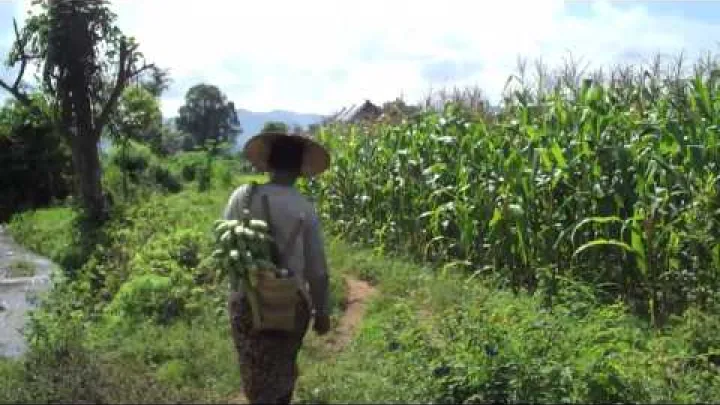
The best time to visit Hsipaw, Mjanmar, is generally November to February, when days are comfortable, nights can be cool, and trekking conditions are often at their most manageable. This dry-season window suits village walks, photography, town exploration, and outdoor trips around the Shan Hills. Travelers who prefer greener landscapes and fewer visitors may choose the rainy season, while March to mid-May can work for those who tolerate heat. Use the seasonal guide below for planning, but remember that climate patterns do not replace current weather, transport, or safety information.
Quick Answer: The Best Time to Visit Hsipaw
Best Overall Window: November to February
November to February is usually the best overall time to visit Hsipaw. The broad pattern is warm or pleasantly mild daylight, cooler mornings and nights, generally clearer skies, and firmer surfaces on many unpaved paths. These conditions make it easier to plan a hike from Hsipaw town, a village walk through the surrounding rural areas, or a day of photography near the Duthawadi River valley.
The period is also more comfortable for travelers who want to combine outdoor activities with relaxed town time. Early starts can feel chilly, especially in basic accommodation or on exposed hills, so a light fleece or jacket is useful even when afternoons are warm. November to February has historically been the stronger travel season, which may mean more demand for rooms, guides, or transport and less flexibility for last-minute bookings. Those patterns are not guarantees of current crowds or prices.
When to Choose a Different Season
Choose a different season when your priorities are more specific than simple comfort. The following comparison is a practical way to decide:
- Choose March to mid-May if you want relatively dry paths and potentially quieter conditions, and you can manage stronger heat. Morning hikes, shade, hydration, and shorter routes become more important.
- Choose mid-May to October if lush hills, wet-season atmosphere, and fewer visitors matter more than predictable trekking. You will need tolerance for rain, mud, cloud cover, and slower rural travel.
- Prefer November to February if you want the simplest combination of comfortable weather, outdoor access, and clearer views.
The hottest pre-monsoon weeks and the core wet season are less suitable for travelers seeking cool weather, fixed schedules, or consistently dry trails. A favorable historical season is only a climate recommendation; current access and safety conditions take precedence over it.
How Hsipaw's Shan Hills Climate Shapes Travel
Upland Setting, Dry Winter, and Southwest Monsoon
Hsipaw, also known as Thibaw, is a town in northern Shan State in the Shan Hills. Its setting near the Duthawadi River and surrounding valley gives a visit a different feel from travel in Mjanmar's hotter lowland areas. The upland landscape can feel more moderate, especially during the cooler part of the dry season, although conditions vary between open hills, shaded valleys, and the town itself.
For planning purposes, Hsipaw fits within Mjanmar's broader monsoon pattern: a cooler dry season, a hot pre-monsoon period, and a rainy southwest monsoon. A national rainfall study published by MDPI describes the country's hot, dry inter-monsoonal period from roughly mid-February to mid-May and the later southwest monsoon. These national divisions help explain the annual rhythm, but elevation, valley position, and yearly rainfall variation mean they should not be read as an exact daily forecast for Hsipaw.
Climate Averages Versus a Live Forecast
Historical monthly averages are useful for choosing a travel window, deciding what to pack, and judging whether long hikes are likely to be comfortable. They cannot tell you whether a particular trail will be muddy next Tuesday, whether a storm will reduce visibility on a hill, or whether an unusually hot or wet spell will affect your arrival.
Lashio can provide a broad regional climate comparison, but it is a proxy rather than a substitute for observations in Hsipaw. Online Hsipaw weather pages can also combine estimated historical patterns with short-term forecasts. For example, AccuWeather provides a Hsipaw-specific page with monthly weather information and forecasts. Treat all such figures as approximate planning evidence, not as official Hsipaw station normals.
What the Local Setting Means for Trails and Roads
Seasonal weather has a direct effect on the experience around Hsipaw town, the Duthawadi River valley, rural trekking routes, and village areas. In drier conditions, unpaved paths are generally easier to walk and steep sections are less likely to be soft underfoot. During or after heavy rain, mud, slippery slopes, swollen streams, low cloud, and reduced visibility can slow a route even when the distance is short.
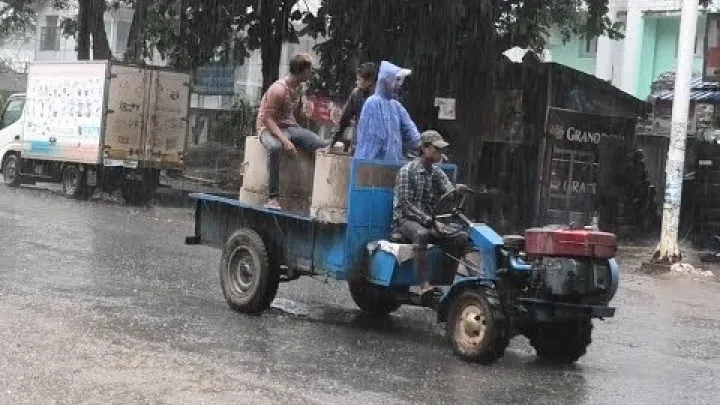
The Mandalay–Lashio road and rail corridor is the wider access context for reaching the region, while smaller rural roads and trail approaches create separate practical issues. A dry month does not guarantee that every route is open, and rain does not make every outdoor activity impossible. Weather affects the ground and travel speed; route access and operations are separate questions that need their own local information.
Hsipaw by Season
Cool Dry Season: November to February
November to February is the most reliable general season for comfortable exploration. Daylight is usually suitable for walking, while mornings and evenings can be distinctly cool compared with the afternoon. Clearer conditions can improve views across the hills and make village walks, photography, and longer treks more enjoyable.
Pack layers rather than relying only on hot-weather clothing. A light jacket, long trousers, sun protection, and comfortable shoes cover the main temperature and trail changes. Because this has historically been the busier season, accommodation and local trekking services may experience stronger demand, particularly around popular travel dates.
Hot Pre-Monsoon Season: March to Mid-May
March to mid-May becomes progressively hotter, with the strongest heat usually arriving before the rains are fully established. The early part of this period can still offer mostly dry walking surfaces, but exposed hills may feel demanding by late morning. Short thunderstorms become more possible as the atmosphere becomes less stable toward the monsoon transition.
This season suits heat-tolerant travelers who want fewer visitors or more flexibility. Start walks early, carry enough water, use a hat and sun protection, and plan shade or a midday rest. Shorter hikes can be more rewarding than forcing a long exposed route during the hottest hours.
Rainy Monsoon Season: Mid-May to October
From mid-May through October, rain becomes more frequent, humidity rises, and cloud cover can increase. The hills and agricultural areas around Hsipaw become greener, but exposed or unpaved routes are more vulnerable to mud, slippery surfaces, changing stream levels, and poor visibility. A route that is easy in the dry season may require more time and care in the monsoon.

Trekking can still be possible for flexible and well-equipped travelers. Waterproof protection, footwear with good traction, and extra time are important, and a town-based day may be more practical when conditions are poor. Hsipaw is inland rather than a coastal beach destination, so coastal typhoon advice does not transfer directly to the town. However, wider tropical weather systems can still influence rainfall, and current forecasts matter more than assumptions about inland locations.
Hsipaw Weather Month by Month
January: Cool, Dry, and Clear
January is a core dry-season month and is often one of the strongest choices for outdoor travel in Hsipaw. Daytime conditions are generally comfortable for trekking, rural walks, and photography, while mornings and nights can feel cool. Wear layers for early departures and bring sun protection for open paths. Historically higher seasonal demand may reduce last-minute flexibility, so plan outdoor services with care.
February: Dry and Comfortable
February remains a strong month for visiting Hsipaw, with dry conditions, comfortable days, and usually less nighttime chill than the middle of winter. Firm paths and relatively clear skies can support longer walks or multi-day trekking when local routes are suitable. Compared with January, the main change is a gradual move toward warmer conditions. February can still be part of the historically busier period, so do not assume it will offer the lowest prices.
March: Warmer Shoulder-Season Conditions
March is a transition month: trails are often still relatively dry, but afternoon heat becomes more noticeable than in January or February. Morning trekking, frequent water breaks, a hat, and sun protection are useful for exposed hills. Late in the month, short showers or thunderstorms may become more likely as the pre-monsoon season develops. March works best for travelers who prefer a shoulder period and can adjust the pace around heat.
April: Hottest and More Unstable
April is likely to be near the peak of Hsipaw's annual heat cycle, although the Shan Hills setting may feel less severe than Mjanmar's central lowlands. Hot periods can continue alongside a growing chance of short, intense pre-monsoon thunderstorms. Plan strenuous activities for early morning, use shade during the middle of the day, and carry water. A dry trail does not necessarily mean that midday hiking will be comfortable.
May: Transition from Heat to Rain
May is variable rather than uniformly dry or wet. Persistent heat and rising humidity may combine with increasingly frequent showers or thunderstorms as the monsoon arrives. Some days can still support village walks, while others may disrupt a longer trek. Flexible timing is valuable, and sections of rural routes may become muddy after rain. The month's broad climate pattern should be combined with the forecast for the dates you plan to walk.
June: Established Wet-Season Conditions
June belongs to the established monsoon season, with more regular rain, high humidity, cloud cover, and rapidly greening landscapes. Mud can slow rural roads and steep paths, while wet footwear and reduced visibility make long walks more tiring. June suits travelers who accept wet logistics and can change plans more easily than those with a rigid multi-day trekking schedule. Pack footwear that remains secure on soft or slippery ground.
July: Cloudy, Green, and Wet
July is a core monsoon month, bringing lush vegetation and frequent wet conditions but fewer dependable clear views. Green rural scenery and soft light may appeal to photographers, while muddy trails and slower journeys can frustrate hikers with fixed schedules. Waterproof clothing, a protected bag for electronics, good traction, and extra time for local travel are useful. Conditions are not identical every year, so avoid treating July as uniformly rainy.
August: Deep Monsoon Conditions
August is generally part of the deepest wet-season period in available Hsipaw climate estimates. Repeated or heavy rain can affect trail surfaces, stream crossings, visibility, and the timing of rural transport. Estimated rainfall comparisons should be treated cautiously because they are not the same as authoritative local station normals. Travelers can still plan shorter walks or town-based activities, but keeping alternatives available is sensible.
September: Wet and More Variable
September can remain very wet and humid, with access conditions changing according to recent rainfall. It may appeal to travelers who want quiet, green scenery and do not need predictable long-distance hiking. It is a weaker fit for a tightly scheduled trek because mud, low cloud, and slower rural connections can affect the plan. Recent weather and local route information are more useful than assuming that every September has the same conditions.
October: Monsoon Withdrawal and Transition
October marks a gradual transition toward drier weather, particularly later in the month, but the timing varies from year to year. Even when rainfall decreases, trails and rural roads may need time to dry, so improved skies do not immediately mean reliable trekking surfaces. Late October can be a useful shoulder option when conditions support it. Early October should still be treated as part of the wet-season transition rather than as equivalent to December.
November: Drier Conditions Return
November begins the more comfortable dry-season window for many visitors. Outdoor exploration becomes easier as rain generally decreases, although residual wet-season effects may remain on some trails and rural roads early in the month. The later part of November may offer a better balance of drying ground and pleasant walking conditions. Visitor demand may also begin to rise as the wider Mjanmar travel season strengthens.
December: Dry, Comfortable, and Popular
December is a favorable month for trekking, village walks, and clear-weather sightseeing around Hsipaw. Warm daylight can contrast with cool nights, so pack an extra layer for early starts and simple accommodation. The same comfortable conditions that attract visitors may also bring stronger seasonal demand and less last-minute flexibility. December is a climate-based recommendation, not a promise that access or safety conditions will be suitable in every year.
Best Time for Trekking, Scenery, Culture, and a Budget Trip
Best Months for Dry-Weather Trekking
For the best general dry-weather trekking conditions, rank the months as November to February first, followed by late October and March as shoulder options. The main advantages of the first window are firmer paths, more comfortable temperatures, and a better chance of clear outdoor conditions. Early starts remain useful because sun and afternoon warmth can affect exposed hills even in the dry season.

Late October may still have damp ground left from the monsoon, while March brings increasing heat. Both can be worthwhile for travelers who accept those trade-offs, but neither should be treated as equal to the core cool dry season. A local route report is especially valuable before choosing a longer or steeper trail.
Best Months for Green Landscapes and Fuller Waterways
The monsoon is the best broad period for travelers who value green hills, fuller streams or waterfalls, and vivid agricultural scenery around rural Hsipaw. Cloud and rain can add atmosphere to the Shan Hills, and the landscape may look very different from the dry-season countryside.
The visual benefits come with softer trails, slippery slopes, cloudier views, and less predictable walking speed. Choose this season when you can change routes or timing and when landscape character matters more than completing a fixed trek. Waterproof equipment and patience are part of the experience.
Best Months for Lower Crowds and Better Value
Historically, the hotter months and the wet season have attracted fewer visitors than November to February. That may create more flexible accommodation choices or better value, but neither lower prices nor empty rooms should be assumed. Current visitor numbers are also shaped by access and safety conditions, not only by rainfall and temperature.
If budget is the main reason for choosing the shoulder or low season, compare the possible savings with extra transport time, wet-weather equipment, and the chance that a planned trek may need to change. Ask accommodation providers and trekking services about current availability rather than relying on a general low-season label.
Best Timing for Culture and Town-Based Travel
Hsipaw is an inland town, so coastal beach-season advice does not directly apply. A culture-focused stay can center on town exploration, the Duthawadi River setting, village visits, local walking routes, and the everyday landscape of northern Shan State. These activities may be possible in every season, but heavy rain can affect access and hot weather can make daytime walking less comfortable.
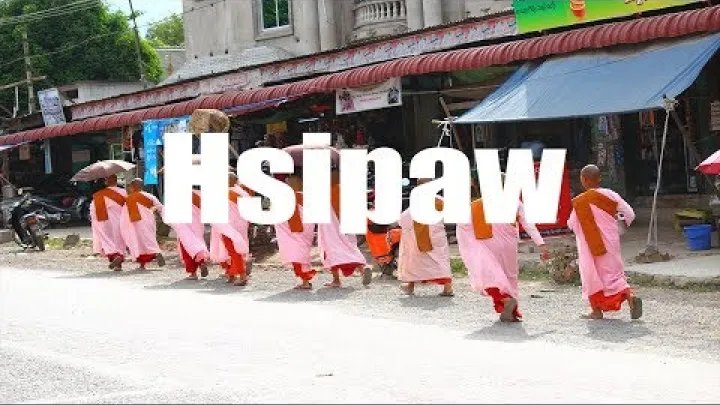
November to February offers the simplest combination of town time and outdoor excursions. March can work with early starts, while the monsoon can suit visitors who are comfortable spending more time in town when rural routes are wet. Festival dates and local events can change, so do not build an itinerary around an unconfirmed event calendar.
Practical Planning for Hsipaw Weather
Plan Around Heat, Cool Nights, and Humidity
During March to May, schedule walks early, carry sufficient water, use sun protection, and take breaks before the hottest part of the day. Loose, breathable clothing and a hat are practical for exposed paths, while a slower pace is safer and more comfortable than trying to maintain a dry-season schedule.
From November to February, pack layers because daytime comfort can differ sharply from nighttime and early-morning conditions. Before booking, ask your accommodation what cooling, blankets, fans, or other basic facilities are available. Do not assume that every property has the same setup for hot afternoons or cool nights.
Prepare for Rain, Mud, and Reduced Visibility
For the monsoon, bring reliable rain protection, footwear with traction, quick-drying clothing, and a dry bag or waterproof pouch for electronics and documents. These items address common problems on Hsipaw's rural paths: wet surfaces, slow progress, sudden showers, and clothing that may not dry quickly in humid conditions.
Rain can make steep or muddy trails slower and can hide views without making every outdoor activity impossible. After significant rain, ask a local trekking guide or your accommodation about the recent condition of the specific route, including steep sections and stream crossings. Their recent experience is more useful than assuming that all trails have the same surface or drainage.
Check Roads, Rail, and Rural Connections
The Mandalay–Lashio road and rail corridor provides the broader access context for the Hsipaw area, but smaller rural roads and trail approaches create separate constraints. Rain, mud, landslides, slow travel, or operational changes can affect the timing of any journey. A historical route description is not confirmation that a road or rail service is operating today.
Confirm the latest condition of the corridor and your rural connection before committing to a trailhead or a tight onward booking. Allow a buffer before important connections, and use a reliable local contact, accommodation, or current operator information for the final timing. Do not build a plan around an assumed departure, arrival, or route opening.
Check Current Conditions Before You Go
Check Official Weather and Local Trail Conditions
Use Mjanmar's Department of Meteorology and Hydrology for official weather information, then compare it with a current Hsipaw forecast close to departure. Climate averages are useful for choosing November rather than April, but the short-term forecast is what matters for a particular trek.
A simple weather check should look for heavy rain, thunderstorms, unusual heat, poor visibility, and conditions that could affect roads, streams, or slippery paths. Check once while finalizing the trip, again shortly before leaving for Hsipaw, and once more before starting a longer outdoor route. Pair the forecast with a recent local trail report, especially after substantial rain.
Check Current Safety Advice Before Booking
A comfortable season does not automatically make travel to Hsipaw safe or advisable. Before booking non-refundable transport or accommodation, review the latest official travel advisory and relevant local information for Mjanmar and Shan State. The Travel.State.gov advisory includes current travel guidance, entry and exit information, local laws, and embassy advice.
Use current-source wording rather than relying on older trekking reports or a past visitor's account. If official advice does not support the trip, postpone it even if the weather forecast looks ideal. Climate suitability and travel safety are separate decisions.
Build a Flexible Itinerary
Leave extra time for weather-related delays and avoid placing a demanding rural trek immediately before an important onward connection. Keep a town-based alternative in mind so that a wet trail does not force you to make a rushed decision. This is especially useful during the monsoon, the late hot season, and any period when access information is uncertain.
If official weather information and local reports conflict, pause the rural plan and seek current local guidance rather than choosing the most convenient answer. Flexibility should give you room to respond to conditions; it should not be used as a substitute for checking them.
Final Recommendation
For most travelers, the best time to visit Hsipaw is November to February, with December through February particularly attractive for comfortable trekking, village walks, and clearer outdoor conditions. Choose March to mid-May for a quieter, hotter shoulder-season trip, or the monsoon for greener scenery and a slower, more flexible experience. Pack for the season, allow time for rural travel, and make the final decision using current weather, route, transport, and official safety information.
Veldu svæði
Búðu til færslu
Birting er ókeypis og engin skráning er nauðsynleg.