Kampong Thom Best Time to Visit: Weather and Monthly Guide
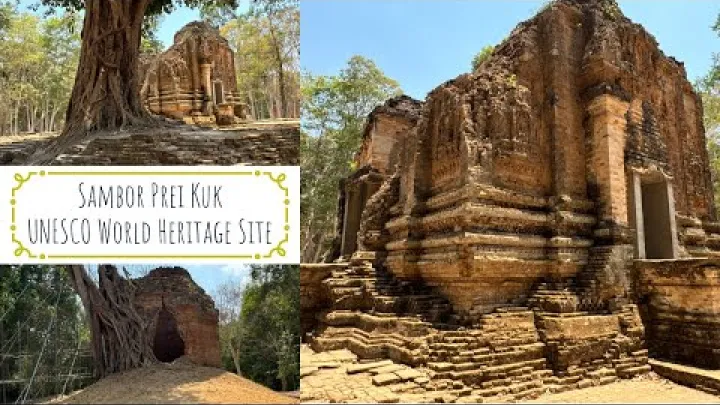
The best time to visit Kampong Thom is generally late November to February. This period usually combines lower rainfall with more manageable heat, making it the most comfortable choice for Sambor Prei Kuk, time in Kampong Thom town, and outdoor travel through central Cambodia. Kampong Thom is warm throughout the year, however, so even the cooler months can feel hot around midday. This guide explains the seasonal pattern, the month-by-month trade-offs, and how to choose dates based on your plans.
The Best Time to Visit Kampong Thom at a Glance
Kampong Thom has a tropical monsoon climate. The choice is less about finding cold weather and more about balancing rain, heat, green scenery, and the reliability needed for outdoor activities. The dry season is broadly the easiest period, while the wet season can reward flexible visitors with lush landscapes.
Best Overall: Late November to February
For most travellers, late November through February is the strongest overall window. Rainfall is typically lower than during the monsoon, and daytime conditions are usually more comfortable for walking around temples, cycling, and taking longer excursions outside Kampong Thom town. Destination guidance from Wayfairer Travel similarly identifies the dry season as the preferred time for visiting Kampong Thom.
November is a transition month. The countryside can still look freshly green after the rains, but occasional wet-weather effects may remain, especially earlier in the month. December and January are generally the most comfortable months for extended outdoor sightseeing. February normally remains relatively dry, although the heat starts to build.
“Cooler” in Kampong Thom is relative. It does not mean cool or cold by many international standards. Light clothing, sun protection, and a plan to avoid the hottest part of the day remain useful in every month.
When Another Season May Suit You Better
| Travel priority | Best period | Main trade-off |
|---|---|---|
| Overall comfort | Late November to February | Potentially stronger travel demand |
| Drier routes | March to April | Intense daytime heat |
| Green countryside | May to July | Showers and humidity |
| Wet-season scenery | August to October | More rain and uncertain minor-route conditions |
March and April can work well for visitors who place dry conditions above physical comfort or who are travelling for a particular cultural date. The cost is strong heat, especially for long walks and midday temple visits. May to July offers a middle option: the landscape becomes greener, rain often arrives in showers, and the atmosphere may feel quieter. August to October is best suited to visitors who value wet-season landscapes and can accept less predictable weather.
Demand and prices follow broad seasonal tendencies rather than fixed rules. The main dry-season period can bring more travellers across Cambodia, while wetter months may have lower demand. Holidays, group travel, and individual accommodation policies can change the pattern, so compare current room, transport, and tour prices for your exact dates.
Kampong Thom Climate by Season
Long-term climate records are useful for choosing a month, not for predicting a particular day. The national pattern is a dry period from roughly November into April and a wetter southwest-monsoon period from about May through October. Kampong Thom’s inland setting means heat is an important part of the travel decision in addition to rainfall.
Dry Season: November to April
The dry season usually begins as rainfall declines in November and continues into April. December through February are commonly the easiest months for outdoor plans. By March and April, rainfall can still be relatively limited, but temperatures and humidity make sustained outdoor activity more demanding.
Available climate summaries place Kampong Thom’s approximate long-term annual temperature near 27.7°C and annual rainfall near 1,570 mm. These are broad climate-normal indicators rather than a forecast for a holiday. Climate-Data.org provides these local summary figures, which help show why visitors should expect warmth in every season.
Drier conditions generally make it easier to plan a full day at Sambor Prei Kuk or combine temple visits with countryside stops. They do not guarantee identical conditions on every route, and the landscape becomes progressively drier later in the season.
Hot Season: March and April
March and April are usually the hardest months for travellers who want long outdoor days. March is often near the annual temperature peak in local climate summaries, and April is also very hot. High sun exposure, warm surfaces, and humidity can make even a short temple circuit tiring in the middle of the day.
A visit can still be enjoyable with a different rhythm. Start early, schedule the main outdoor activity in the morning, take a substantial midday break, and return for a shorter late-afternoon activity if conditions are comfortable. Carry drinking water, use a hat and sunscreen, and choose footwear that is stable on uneven paths.
These months may suit visitors who value dry-season travel conditions or are interested in a cultural celebration. Event schedules differ by year and place, so treat any festival timing as a reason to confirm local details rather than as a guaranteed part of the itinerary. Travellers who are sensitive to heat will usually be more comfortable in February or from late November to January.
Rainy Season: May to October
The rainy season normally develops from May and lasts through October. It does not necessarily mean rain all day, every day. Early in the season, mornings can be usable for outdoor activities before showers or thunderstorms arrive later. As the season advances, rain can become more frequent, heavier, and more disruptive to a tightly timed itinerary.
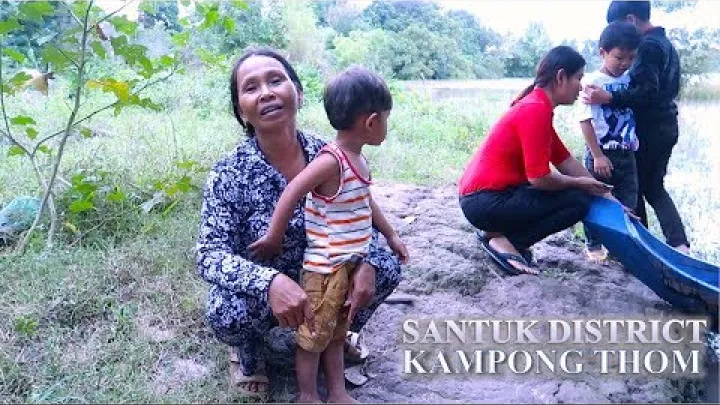
August to October requires the greatest tolerance for change, with September often the wettest point in the annual pattern. Rain transforms fields and vegetation, and the wider Tonlé Sap floodplain landscape can look especially full and green. Cambodia’s floodplain geography is central to its water system, as described by the Ministry of Water Resources and Meteorology, but waterlogging and localized flooding can also affect low-lying land and smaller routes.
The wet season is therefore a visual and practical trade-off. Choose it for vivid countryside, dramatic skies, and a less dry landscape, but do not build every day around long outdoor walks or remote stops that leave no room for weather disruption.
Kampong Thom Month-by-Month Travel Guide
The following guide gives a practical feel for each part of the year. Conditions vary from year to year, but these seasonal tendencies can help you match dates to the type of trip you want.
November to February: The Most Reliable Travel Window
November is the shift from wet to dry conditions. The scenery can remain green, while rain generally declines as the month progresses. It is a good compromise for travellers who want some post-monsoon freshness without choosing the wetter core months.
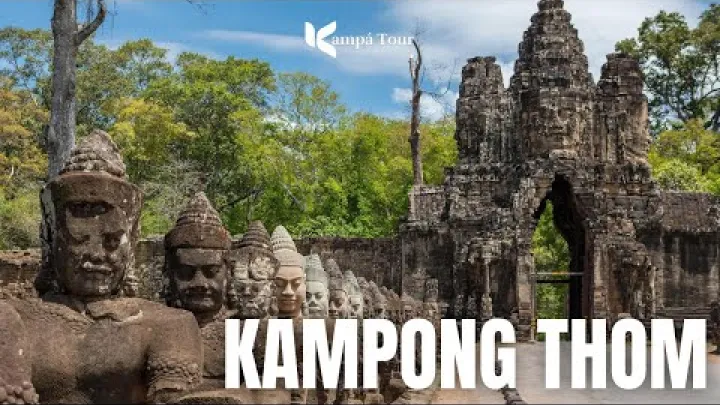
December and January are usually the best choices for dependable sightseeing. They are especially suitable for longer walks at Sambor Prei Kuk, time exploring Kampong Thom town, cycling, and day trips that include several outdoor stops. Plan shade and water breaks even in these more comfortable months.
February is still a useful dry-weather choice, particularly for visitors who want low rainfall but prefer to travel before the strongest March and April heat. Start outdoor activities early because afternoons become warmer as the month advances.
March and April: Dry Weather with Maximum Heat
March and April offer a simple trade-off: rain is often less of an obstacle, but heat can limit how much you enjoy an outdoor itinerary. For Sambor Prei Kuk, aim to arrive early and complete the most exposed walking before late morning. Keep the middle of the day for lunch, rest, or activities with shade.
April may interest culture-focused travellers when celebrations are taking place, but dates and local arrangements should be confirmed for the travel year. Do not assume clear skies every day, yet prepare primarily for heat. If you want a similar dry-season experience with less thermal stress, February or the late-November-to-January period is normally a better fit.
May to July: Early Monsoon and Green Countryside
May to July brings increasing rain, humidity, and rapidly greener scenery. These months can suit travellers who enjoy photography, rice-field landscapes, and a less crowded feeling, while accepting that an afternoon downpour may reshape the day. A morning-first schedule is often the most practical way to use the better weather windows.
The benefit is a more vivid rural landscape around central Cambodia, with vegetation and water features recovering after the dry months. The disadvantages are sudden storms, wet walking surfaces, and mud on unpaved areas. Treat this as a compromise season rather than a low-rain alternative. Current accommodation rates can sometimes be attractive, but discounts are not automatic and should be checked directly.
August to October: Wettest Months and More Access Uncertainty
August to October is the most challenging period for travellers who need predictable weather or hope to cover many countryside locations in a short time. September is commonly the rainfall peak in local seasonal patterns, while October can remain wet even as the broader transition toward the dry season begins.
Saturated ground and high water can make travel slower around remote temples, villages, and countryside routes. Conditions are route- and year-dependent rather than identical across the province. In return, visitors may find rich greenery, full-looking floodplain scenery, and striking cloud formations. This period makes the most sense when wet-season atmosphere matters more than a tightly controlled schedule.
Choose the Best Time by Travel Purpose
The right month depends on what you want to do each day. Kampong Thom is not only a stop between larger Cambodian destinations; its temples, rural setting, and floodplain context make seasonal choices particularly important.
Temple Visits and Cultural Travel
December through February is the best period for most cultural travellers. At Sambor Prei Kuk, the main issue is the physical demand of being outdoors: walking between sites, dealing with open sun, and spending time on paths that may be uneven. Lower rainfall and less extreme heat make it easier to slow down and explore.
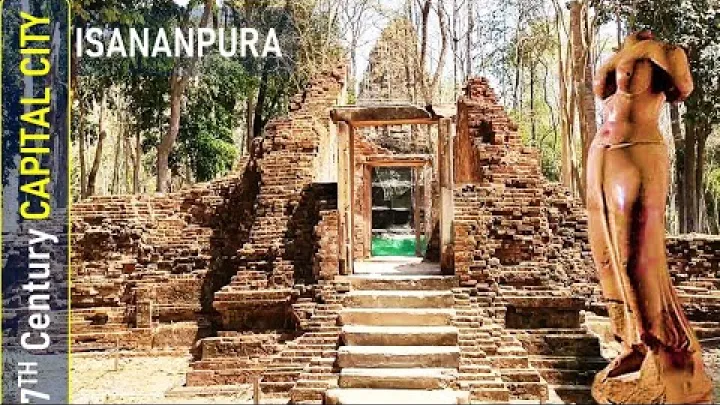
Arrive early, wear comfortable footwear, and carry water. March and April can still work for visitors with good heat tolerance or a specific cultural reason for travelling then, but shorter visits and a strong midday break become more important. Site hours, local arrangements, and event schedules can vary, so plan the day around confirmed information.
Rural Roads, Cycling, and Longer Outdoor Days
Late November through February is the most dependable choice for cycling, extended outdoor touring, and itineraries that include countryside stops beyond Kampong Thom town. The combination of lower rain risk and more manageable daytime temperatures makes a longer day easier to pace.
March and April reduce rain-related disruption but can make cycling and walking physically intense. May to July can appeal to flexible cyclists who prefer green landscapes and are comfortable changing the day around showers. Late wet-season travel is less suitable when an itinerary depends on several minor roads or remote stops. Major intercity travel and small countryside routes should not be treated as having the same conditions.
Green Landscapes and Tonlé Sap-Linked Scenery
For a balance of greenery and easier travel, November and December are often attractive. Recent rains may still be visible in the countryside, while the season is generally becoming drier. This can be a practical choice for visitors who want landscape photography without committing to the wettest months.
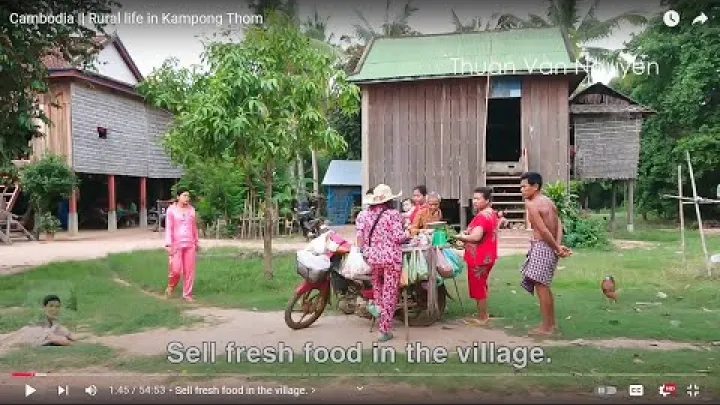
For the lushest vegetation and fuller waterways, the wet season is the stronger option. The Tonlé Sap floodplain gives this landscape its seasonal character, but water levels and access are not predictable for a specific travel date. Later in the dry season, particularly in the hottest months, fields and vegetation can look less green. Choose based on whether visual freshness or easier movement is the higher priority.
Quieter or Lower-Budget Travel
The most comfortable dry-season months may coincide with stronger demand across Cambodia. Wetter months may feel quieter, and May to July is often a sensible starting point for travellers seeking a balance between lower demand and less severe rain than the later monsoon.
This is a tendency, not a price promise. Room rates, transport costs, and private-driver prices can change around holidays, festivals, weekends, and supplier availability. Compare current options for the exact dates you need, especially if your trip overlaps with a Cambodian public holiday or a major event.
Practical Planning for Weather and Access
Good timing improves a Kampong Thom trip, but practical preparation matters in every season. Pack for sun as well as rain, build realistic activity lengths into the day, and distinguish broad climate patterns from the conditions you will actually encounter.
Heat, Rain, and What to Wear
Pack lightweight, breathable clothing, a hat, sunscreen, drinking water, and comfortable walking shoes throughout the year. Temple and countryside days can include exposed paths and strong sun even when temperatures are relatively lower. In March and April, plan regular shade or indoor breaks rather than trying to stay outdoors continuously.
During May to October, add a compact rain layer or umbrella and waterproof protection for a phone, camera, and documents. Shoes with grip are useful on wet or muddy ground. A rain item does not remove the disruption caused by a heavy storm, but it makes short showers easier to manage.
Checking Rural Roads and Daily Logistics
Conditions on rural feeder roads can be very different from those in Kampong Thom town or on the main intercity routes. This matters most for visits to Sambor Prei Kuk, villages, and other outlying locations after significant rain. Available travel research does not provide a live, province-wide road-status service.
Before committing to a remote route, ask accommodation staff, a local driver, or the relevant site operator about recent rain, flooding, mud, and practical access. Leave extra time for slower travel and keep a nearby alternative activity in mind if your plan relies on minor roads. This is particularly valuable during the rainy season, when a short distance can take longer than expected.
Climate Averages Versus the Live Forecast
Climate averages describe what is typical over many years; they cannot tell you whether it will rain at a specific temple visit or how hot a particular afternoon will feel. The World Bank Climate Change Knowledge Portal presents Cambodia’s 1991–2020 climatology alongside a longer historical record, which is useful context for choosing a season.
A given year can differ from the normal pattern because of delayed monsoon onset, unusually dry spells, heavy storms, or larger climate influences such as El Niño and La Niña. Use averages to select your travel month, then check an official current forecast and any flood or severe-weather advisories shortly before departure. Adjust outdoor plans when the forecast indicates storms or other significant weather, especially for multi-day rural travel and wet-season temple visits.
Final Recommendation for Visiting Kampong Thom
Choose late November to February for the best overall balance of lower rainfall, manageable heat, and comfortable conditions for Sambor Prei Kuk and wider outdoor exploration. December and January are the strongest choices if your priority is dependable sightseeing. Choose March or April only if dry conditions or a specific cultural date outweigh the heat; choose May to July for greener scenery with some flexibility; and reserve August to October for travellers who welcome wet-season landscapes and can adapt their plans.
Whatever month you choose, plan outdoor activities early, prepare for heat, and let the current weather shape the final daily schedule. That approach gives you the best chance of enjoying Kampong Thom’s temples, town, and countryside at a comfortable pace.
Veldu svæði
Búðu til færslu
Birting er ókeypis og engin skráning er nauðsynleg.