Trat Budget: Daily Costs for Trat Town and the Islands

A realistic Trat budget depends on whether you mean Trat town on the mainland or the wider province, including Koh Chang, Koh Mak, and Koh Kood. Trat town can be one of the cheaper bases in Eastern Thailand, while the islands can range from good value to expensive depending on the season, beach area, room type, and transport choices. This guide gives practical daily planning ranges in Thai baht and breaks costs into accommodation, food, local transport, ferries, activities, and extras. Use the numbers as planning ranges, not guaranteed prices, and check live rates before you book.
Trat Budget at a Glance
For most travelers, accommodation and island transport are the two categories that change the total most. Food can stay affordable if you eat local meals, but seafood, resort restaurants, alcohol, and frequent taxis can quickly raise the daily average.
Daily Budget Ranges by Travel Style
The ranges below are per person per day and exclude international flights. They also exclude unusual splurges such as private boat charters, diving courses, luxury resort meals, and expensive domestic flights. Couples sharing one room often spend less per person than solo travelers who want a private room.
| Travel style | Plan around | Accommodation | Food and drink | Transport and activities |
|---|---|---|---|---|
| Budget | 900–1,500 baht | Guesthouse, fan room, simple bungalow, or shared room | Local meals, markets, limited alcohol | Few transfers, beaches, markets, low-cost days |
| Mid-range | 1,500–3,000 baht | Private room, air-conditioning, bungalow, or small resort | Local restaurants plus some nicer meals | Ferries, songthaews or scooter, one paid activity sometimes |
| Comfortable island | 3,000–6,000 baht or more | Resort room, beachfront stay, boutique property, or larger family room | Seafood, resort dining, coffee, drinks | Transfers, taxis, tours, snorkeling, private convenience |
Trat town and Koh Chang are usually easier to keep within a lower daily budget. Koh Mak can still be moderate if you choose simple accommodation and limit transfers. Koh Kood often needs a more generous budget because many stays and meals lean toward resort-style travel.
What the Daily Cost Includes
A useful Trat travel budget should include accommodation, meals, non-alcoholic drinks, local transport, ferry or boat transfers, basic activities, entrance fees, laundry, snacks, and small extras. For island trips, ferries and local taxis matter because they can add a large cost to a short stay.
Separate access costs from daily costs. A Bangkok to Trat bus, a domestic flight, an airport transfer, or a private van may be part of your total trip cost, but it can distort the daily average if you are comparing one destination with another. If you are island-hopping over only three or four days, the transport cost per day will be higher than if you stay in one place for a week.
Before booking, check what is included. Breakfast, pier pickup, boat transfer, national park fees, snorkeling gear, lunch, and cancellation terms can change the real value of a price. A slightly higher room or tour price can be better value if it includes a transfer that you would otherwise pay for separately.
How to Read Prices in Thai Baht
This guide uses Thai baht as the main currency because local rooms, buses, ferries, meals, scooter rentals, and entrance fees are usually planned in baht. Foreign-currency equivalents change with exchange rates, so treat any non-baht figure you see on booking platforms as approximate.
Check your own card fees, ATM fees, and cash needs before travel. Small operators, local taxis, fuel stops, markets, deposits, and some entrance fees may be easier to handle with cash, even if larger hotels and online bookings accept cards. Keep a buffer for schedule changes, ferry delays, fuel, pier transfers, deposits, and last-minute taxis.
Where Your Base Changes the Budget
Trat province is not one single price zone. A night in Trat town, a budget bungalow on Koh Chang, a quiet Koh Mak stay, and a resort room on Koh Kood can produce very different totals even if the distance between them is not large.
Trat Town as the Low-Cost Mainland Base
Trat town is the cheapest practical base for many travelers because it has mainland guesthouses, local food, and transport connections. It is useful for overnight stops, border-route travelers, and anyone who wants to reduce the number of island nights. Trat Bus Station, Trat Night Market, and onward access to piers such as Laem Ngop and Laem Sok make the town a practical logistics base.
Staying one or two nights in town can lower the average cost of a trip. For example, a traveler who spends one night in a simple Trat town room, eats at the night market, and groups the next day’s pier transfer may spend less than if they arrived late and paid for an extra island night plus a separate taxi. The trade-off is clear: Trat town helps the budget, but it is not a beach base.
Koh Chang as the Flexible Island Base
Koh Chang has the widest budget range among the main islands. You can find simple guesthouses, fan rooms, bungalows, mid-range rooms, family stays, and resorts. This range makes Koh Chang easier to fit into a budget than islands with fewer low-cost choices.
Beach area affects the total. White Sand Beach, Klong Prao, Kai Bae, Lonely Beach, and Bang Bao all have different balances of room prices, food access, transport needs, and nightlife. The cheapest room is not always the cheapest overall choice if it requires repeated songthaew rides to reach meals, beaches, or departure points. Choose the area based on your daily routine, not only the nightly rate.
Koh Mak and Koh Kood for Quieter but Higher-Cost Stays
Koh Mak and Koh Kood often feel more expensive because there are fewer ultra-budget rooms and more resort-style stays. Boat access and local transfers add to the island premium, especially for short visits. This does not mean every traveler will spend more, but the lower end of the market is less flexible than in Trat town or on Koh Chang.
Koh Mak can work well for travelers who want a quieter setting and can manage simple island transport. Koh Kood usually needs a larger allowance, especially for beachfront rooms, resort dining, and convenience. Compare the total trip cost, including boat tickets, local movement, meals, and transfers, rather than looking only at the room rate.
Accommodation Costs in Trat Province
Accommodation is usually the largest daily cost and the category most affected by date, location, and comfort level. A private room in Trat town and a beachfront room on Koh Kood should not be compared as if they are the same product.
Budget Rooms and Guesthouses
Budget travelers should start their search in Trat town and on Koh Chang. Hotel platforms can show low starting prices for Trat town, with Booking listing Trat hotels from around US$27 on its city page at the time of the source snapshot. Rates change by date, availability, cancellation policy, and room type, so always recheck for your travel dates.

At the budget end, compare air-conditioning, private bathroom, breakfast, location, and booking conditions. A fan room or simple bungalow may be enough for some travelers, while others may prefer to pay more for air-conditioning, better sleep, or a more central location. On islands, the lowest room rate may be offset by higher food or transport costs.
| Base | Budget accommodation outlook | Cost note |
|---|---|---|
| Trat town | Best for guesthouses and simple hotels | Usually the easiest place to reduce nightly cost |
| Koh Chang | Fan rooms, simple bungalows, budget guesthouses | Good range, but location affects transport spending |
| Koh Mak | Some simple stays, fewer ultra-budget options | Check boat and transfer costs with the room rate |
| Koh Kood | More resort-style and boutique stays | Budget options can be limited on some dates |
Mid-Range Rooms, Bungalows, and Family Stays
Mid-range travelers usually pay more for air-conditioning, a better location, breakfast, a pool, sea views, beachfront access, or flexible cancellation. As a broad planning band, many mainland or simpler mid-range stays may fall around 1,000–2,500 baht per room per night, while island bungalows and resort rooms can be higher, especially in popular areas or peak periods.
Families should calculate by room, not only by person. A larger room, extra bed, or connecting rooms can change the total. A property with breakfast and pier transfer included may be better value than a cheaper room that requires separate meals and taxis. On Koh Mak and Koh Kood, limited low-cost supply can push travelers into mid-range pricing even if they are not seeking luxury.
Peak Season, Weekends, and Booking Timing
Season, weekends, Thai public holidays, Christmas, New Year, and room availability have a strong effect on Trat island accommodation. Beachfront rooms and popular resort categories can sell out or rise in price earlier than inland rooms. If you have fixed travel dates, book earlier for the busiest periods.
Low-season discounts can reduce accommodation cost, but they may come with wetter weather, reduced demand, fewer departures, or less predictable plans. Treat seasonality as a cost factor, not just a weather issue. Compare refundable booking rates with direct hotel offers, and check what each option includes before deciding.
Food and Drink Budget
Food can be one of the easiest parts of a Trat budget to control. The main decision is whether you eat mostly local meals and market food or rely on beachfront restaurants, resort menus, seafood meals, coffee, and alcohol.
Trat Town Night Markets and Local Meals
Trat town is useful for low-cost eating because local noodle shops, rice dishes, snacks, desserts, and market meals are easy to combine in one evening. Trat Night Market is especially helpful for budget travelers because it can serve as dinner, snack stop, and casual evening activity at the same time.
A cautious planning range for simple local eating in Trat town is around 200–350 baht per day if you choose local meals and avoid frequent café or seafood spending. Sit-down seafood restaurants, larger portions, imported items, and extra drinks can raise that total. Do not assume every stall has the same price; look before ordering and keep small cash ready.
Island Food, Seafood, and Resort Menus
Island food often costs more than mainland food because supplies, location, rent, and resort pricing influence menus. Koh Chang has the widest range, from local eateries and roadside vendors to beachfront restaurants and resort dining. A local Koh Chang food guide by Eatlooktravelbook notes fruit carts along the road and evening street vendors, which are useful examples of lower-cost island food options.
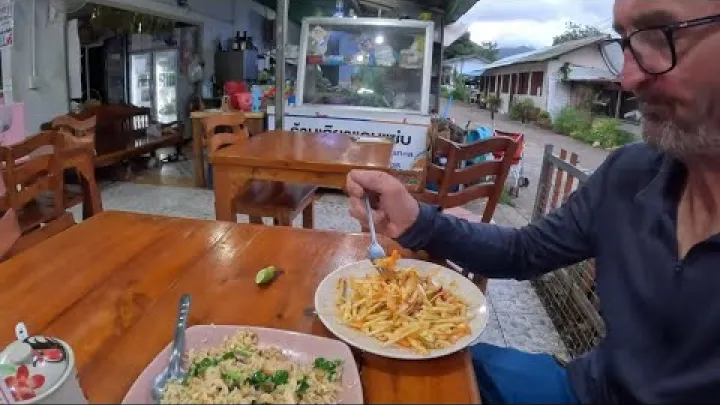
For island days, plan around 400–700 baht per day for moderate local-plus-restaurant eating. If you add seafood meals, desserts, cafés, resort meals, or several drinks, 800–1,200 baht or more per day is realistic. Koh Kood can push food spending higher if your accommodation is far from local eateries or if most convenient meals are resort-based.
Alcohol, Coffee, and Convenience Purchases
Drinks are a major hidden cost in beach destinations. Two beers, a daily coffee, bottled water, snacks, ice cream, smoothies, and convenience-store purchases can add several hundred baht to a day without feeling like a major expense. Resort bars and premium venues usually cost more than local shops or simple beach bars.
For a five-day trip, even an extra 250 baht per day on coffee, snacks, and alcohol becomes 1,250 baht. If you drink alcohol, set a separate daily drink allowance instead of mixing it into your meal budget. This makes it easier to see whether your Trat trip is staying in the budget, mid-range, or comfortable category.
Transport Costs to and Around Trat
Transport can be cheap if you move slowly and use shared options. It becomes expensive when you island-hop quickly, take private transfers, stay far from food, or rely on taxis for many short journeys.
Bangkok to Trat by Bus, Minivan, or Flight
The budget access route is usually by bus from Bangkok to Trat. Online ticket platforms such as BusOnlineTicket show Bangkok to Trat bus fares from the low hundreds of baht, with the source snapshot listing tickets from THB 263. Ekkamai Eastern Bus Terminal and Trat Bus Station are useful planning anchors, but check your exact departure point, arrival point, luggage rules, and arrival time.
| Option | Budget role | What to check |
|---|---|---|
| Bus | Usually the lowest-cost access choice | Station, schedule, luggage, arrival time |
| Minivan or transfer package | Often costs more but may reduce connection friction | Pier drop-off, hotel pickup, luggage limits |
| Flight | Saves time but fares vary widely | Live fare, airport transfer, baggage, timing |
Flights to Trat can save time, but fares vary too much by date to use a fixed estimate without checking live prices. For a budget trip, compare the full cost from your Bangkok hotel to your Trat or island accommodation, not just the first ticket price.
Ferry and Speedboat Costs to the Islands
Ferry and speedboat tickets are central to any Trat island budget. Koh Chang routes commonly involve piers around Laem Ngop, Ao Thammachat Pier, and Centrepoint Ferry Pier. Koh Kood and Koh Mak trips often involve Laem Sok Pier, Bang Bao connections, or operator-specific transfer packages. Operators such as Boonsiri Ferry serve routes in the Trat area, including Koh Kood, Koh Chang, Koh Mak, and Trat.

For Koh Mak, current operator information on the Koh Mak boat timetable page has shown ticket prices around 350 baht per person on some services, with transfer inclusion noted for specific routes. Do not assume every ticket includes hotel pickup, resort drop-off, or onward transport. Confirm the pier, baggage rules, transfer inclusion, and whether the boat is a ferry, speedboat, or catamaran.
Fewer island moves usually means a lower average daily transport cost. A traveler who stays four nights on Koh Chang may spend much less on transfers than a traveler who visits Koh Chang, Koh Mak, and Koh Kood in the same period.
Songthaews, Scooter Rental, and Local Movement
Local movement can become expensive when your room is far from food, beaches, piers, or activity pickup points. On Koh Chang, shared songthaews often work by route and distance, with short beach hops costing less than long pier-to-beach or cross-island rides. Fare information from Iamkohchang shows examples such as Kai Bae to Lonely Beach at 50 baht and longer routes costing more, but travelers should check current fares locally.

Scooter rental can reduce transport costs for confident, properly licensed riders, but it is not suitable for everyone. Listings on Byklo show Koh Chang motorbike rentals starting from 140 baht per day for some models, with higher prices for larger or premium bikes. Real-world rental costs vary by island, shop, season, bike type, insurance, deposit, and rental period.
Add fuel, helmets, deposits, possible damage charges, road conditions, license requirements, and travel insurance to the decision. Do not rent only to save money if you are not experienced. Taxis after dark, private rides, or short urgent transfers can also change the daily budget.
Activities, Fees, and Extra Costs
Trat can be affordable if you balance paid activity days with low-cost days. Beaches, viewpoints, markets, and walking areas can keep costs low, while snorkeling, diving, private boats, and national park-related fees can move the trip into a higher budget category.
Low-Cost Days on Beaches, Markets, and Viewpoints
A low-cost day might include a beach morning, a local lunch, a viewpoint stop, a market dinner, and a short shared transfer. This kind of day is easier on Koh Chang or in Trat town than on a remote resort-heavy part of an island where every movement requires a taxi.
Low-cost does not always mean free. You may still pay for transport, snacks, parking, drinks, or a small local transfer. The best budgeting rhythm is to alternate simple days with paid tour days. This keeps the average realistic instead of assuming every day will be either free or expensive.
National Park, Waterfall, and Marine Fee Planning
National park, waterfall, and marine fees may apply around Mu Ko Chang National Park and Koh Rang activity areas. Fees can differ for foreign adults, children, Thai residents, and tour participants, and they may change over time. Verify current fees locally before travel or before paying for a tour.
Tour prices do not always include park or marine fees. Ask whether the price includes entrance fees, lunch, drinking water, snorkeling gear, transfers, insurance, and pickup from your accommodation. Carry enough cash for small operators, entrance points, local transport, and last-minute changes.
Snorkeling, Diving, Tours, and Rainy-Day Costs
Snorkeling trips, diving, fishing trips, private boats, and guided tours can quickly move a traveler from a budget trip to a mid-range or comfortable trip. The price depends on whether the tour is shared or private, the island, distance, gear, lunch, transfers, park fees, season, and cancellation rules.
Rainy weather or sea conditions can also create budget effects. You may need extra taxis, an extra night, a changed boat ticket, or an alternative indoor activity. Set aside a separate activity fund rather than forcing every tour into your normal daily allowance.
Sample Trat Travel Budgets
The following examples show how different choices change the daily average. They are planning scenarios, not fixed itineraries. Adjust them for your dates, room sharing, island choice, alcohol, and activity style.
Three-Day Budget Traveler Scenario
This scenario excludes the Bangkok-to-Trat access ticket from the daily average. It works best for a traveler who uses a simple guesthouse or fan room, eats local meals, limits alcohol, makes few transfers, and chooses free or low-cost activities.
| Category | Daily planning range | How to keep it low |
|---|---|---|
| Accommodation | 400–800 baht | Trat town guesthouse or simple Koh Chang room |
| Food and drinks | 250–450 baht | Markets, local meals, limited alcohol |
| Local transport | 150–350 baht | Shared rides, fewer beach hops, grouped transfers |
| Activities and extras | 100–300 baht | Beaches, walking areas, snacks, small fees |
| Total | 900–1,500 baht | Best for disciplined budget travelers |
A solo traveler in a private room may land near the upper end. The budget becomes harder if you add Koh Mak or Koh Kood, several taxis, frequent drinks, or a paid tour.
Five-Day Mid-Range Island Scenario
This scenario suits travelers staying mostly on Koh Chang or combining Koh Chang with Koh Mak. It assumes a private room or bungalow, local restaurants with some nicer meals, ferry or speedboat transfers, occasional songthaews or scooter use, and one paid activity day.
| Category | Per-person daily range | Main variable |
|---|---|---|
| Accommodation | 700–1,500 baht | Room sharing, beach area, air-conditioning |
| Food and drinks | 500–900 baht | Seafood, coffee, alcohol, restaurant choice |
| Transport | 200–500 baht | Ferries, songthaews, scooter, island hopping |
| Activities | 100–700 baht | One paid tour averaged across the stay |
| Total | 1,500–3,000 baht | Most flexible mid-range band |
Couples sharing a room can often control the per-person cost better than solo travelers. Island hopping increases transport cost, but it may be worthwhile if variety matters more than the lowest possible average.
Comfortable Koh Kood or Mixed-Island Scenario
A comfortable Koh Kood or mixed-island trip may include a resort room, better restaurants, drinks, pier transfers, taxis or scooter rental, and one or more paid trips. A realistic planning range is around 3,000–6,000 baht or more per person per day, depending heavily on accommodation and dining choices.
Koh Kood and boutique island stays can feel expensive because room and restaurant choices are less flexible. This higher spending is not wasteful if it buys the comfort, quiet setting, beachfront access, and convenience you want. Couples sharing a room may manage the per-person cost more easily than solo travelers.
Check whether breakfast, transfers, kayak use, service charges, and activity discounts are included. A resort that includes useful services may be better value than a cheaper room that requires separate taxis and meals.
How to Keep a Trat Trip Affordable
The best way to save money in Trat is to design the trip around your travel style. A low room price helps, but total cost depends on meals, transfers, island moves, and daily movement.
Choose the Cheapest Base for Your Travel Style
Choose Trat town if you want the lowest mainland costs, an overnight stop, or easy access to buses and piers. Choose Koh Chang if you want island time while keeping a wide range of rooms, food, and transport choices. Choose Koh Mak or Koh Kood if you value quiet settings and accept a higher average cost.
| Base | Best for | Budget caution |
|---|---|---|
| Trat town | Lowest costs, transit nights, markets | No beach-island experience |
| Koh Chang | Flexible island budget, many room types | Transport adds up if location is poor |
| Koh Mak | Quiet stays, moderate island pace | Fewer ultra-budget options |
| Koh Kood | Comfort, beaches, seclusion | Accommodation and dining can be higher |
Staying longer in fewer bases often saves money. Every move can add a ferry, taxi, luggage transfer, and schedule risk.
Control Food, Drink, and Daily Transport
Eat local meals for most meals and save seafood or resort dining for selected occasions. In Trat town, a market dinner can also be a low-cost evening activity. On the islands, check menus before sitting down in beachfront or resort-heavy areas.
Set a drink allowance if you drink alcohol or buy daily coffee. Choose accommodation near food, beaches, or transport pickup points so you do not pay repeated taxi fares. Avoid risky transport choices just to save money; a safe, suitable ride is part of the real budget.
Verify Current Prices Before You Go
Before you travel, check live room rates, ferry schedules, boat ticket inclusions, bus fares, scooter rental conditions, park fees, and holiday surcharges. Trat budgets are stable enough for planning ranges, but not fixed enough for exact guarantees.
Keep a cash buffer for small operators, pier transfers, deposits, fuel, entrance fees, snacks, and schedule changes. Recheck prices shortly before travel, especially in peak season, on Thai public holidays, and around long weekends.
Conclusion: Build the Right Trat Budget for Your Trip
A Trat budget can be very manageable if you match your base to your spending style. Trat town is best for low-cost logistics, Koh Chang offers the most flexible island budget, Koh Mak suits quieter moderate stays, and Koh Kood usually needs more room for comfort and resort-style costs. Plan around 900–1,500 baht per day for disciplined budget travel, 1,500–3,000 baht for mid-range island travel, and 3,000–6,000 baht or more for comfortable island stays. The biggest savings come from choosing fewer bases, checking inclusions, eating local meals, controlling drinks, and confirming current transport and accommodation prices before you go.
Select area
Create a post
Posting is free and no registration is required.