Pagadian Travel Guide: Practical Tips for First-Time Visitors

This Pagadian travel guide is for first-time visitors who want a practical, realistic overview of Pagadian City in Zamboanga del Sur. Pagadian is a hilly coastal city on the Zamboanga Peninsula, known more for regional life, bay views, local transport, and nearby nature stops than for a polished resort scene. This guide explains how to get there, how to move around, where to stay, what to do, when to visit, and how to plan safely and responsibly. It is especially useful if you are building a wider Mindanao or Zamboanga Peninsula itinerary and need clear travel tips before booking.
Pagadian at a Glance
Pagadian is a practical regional city rather than a mass-tourism destination. For many travelers, its appeal is the mix of local urban life, steep roads, access to Illana Bay, and possible side trips to waterfalls, caves, and upland viewpoints.
Where Pagadian Is and Why It Matters
Pagadian City is in Zamboanga del Sur, within the Zamboanga Peninsula region of Mindanao in the southern Philippines. It sits near Illana Bay, and its terrain rises sharply from the coastal and commercial areas toward upland neighborhoods. This geography affects almost everything a visitor notices: short rides can feel steep, higher areas can have good views, and walking can be more tiring than the map suggests.
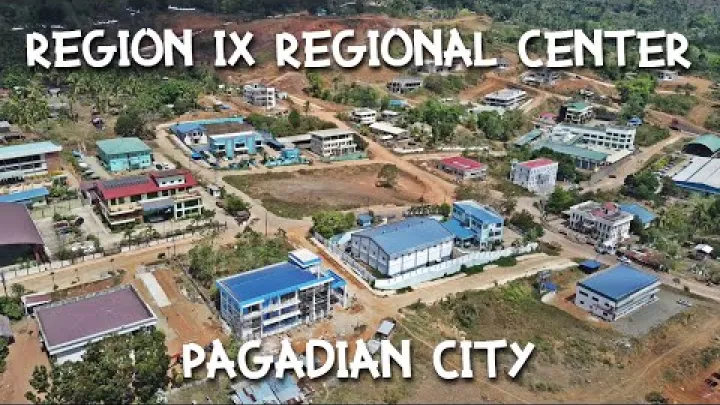
The city is also an administrative and service center for surrounding communities. The Philippine Statistics Authority lists Pagadian City barangays such as Balangasan, Balintawak, Banale, Dumagoc, and San Jose, which helps show that the city is spread across coastal, central, and upland areas rather than being a single compact tourist district.
For travelers, Pagadian matters because it gives a different view of the Philippines from the familiar island-resort route. It is not usually the place to choose if your priority is luxury beach infrastructure or a full schedule of packaged tours. It is better understood as a regional Mindanao city with local markets, short waterfront walks, hilly streets, modest hotels, and access to nature when conditions allow.
Who Should Visit Pagadian
Pagadian is a good match for travelers who are curious about regional Philippine cities and who do not need every activity to be pre-packaged. It can work well for independent travelers, returning visitors to the Philippines, people visiting family or business contacts, and travelers moving through Zamboanga del Sur or the wider Zamboanga Peninsula.
You may enjoy Pagadian if you like local food, simple city walks, public plazas, short rides by local transport, and occasional nature stops such as waterfalls or caves. It is also useful as a base for understanding the landscape between coastal Mindanao and the upland areas of the province.
Pagadian may be less suitable if you want a beach-resort holiday, a dense nightlife district, international-style tourism services, or a destination where every attraction has fixed online booking and clear operating hours. Visitors should be comfortable asking questions locally, confirming transport, adjusting plans for weather, and making decisions based on current conditions.
How to Get to Pagadian
Your best route to Pagadian depends on your starting point, time, budget, and comfort with Mindanao overland travel. Flights are usually the simplest option when schedules and fares work, while buses and vans are more relevant for travelers already in the region.
Flying to Pagadian
Pagadian Airport is the most convenient gateway for many visitors when flights are available and priced reasonably. Flight schedules to smaller Philippine airports can change, so check current airline booking platforms close to your travel date rather than assuming daily service or a fixed route. If you are coming from outside Mindanao, you may need to compare routes through major Philippine hubs such as Manila or Cebu, depending on current schedules.

If flights to Pagadian are limited, compare alternatives such as flying to another regional airport and continuing overland. Ozamiz City is one possible regional comparison point for some itineraries, but the best choice depends on current fares, road conditions, onward transport, and your arrival time. If you land late in the day, it is usually better to avoid creating a tight same-day overland transfer unless you have reliable local guidance.
For arrival planning, carry some Philippine pesos in small bills, especially for local rides after landing. Confirm luggage rules before flying, particularly if you use a low-cost carrier. After arrival, expect small-scale local transport rather than a large international airport transport system.
Arriving by Bus or Van
Pagadian is connected by overland routes to other regional cities, including the corridor toward Zamboanga City. Aggregator information from Rome2Rio describes Rural Transit Mindanao service on the Pagadian City to Zamboanga City route, but travelers should treat online times and fares as planning estimates rather than guarantees.

Overland travel in Mindanao can be affected by weather, road works, vehicle availability, checkpoints, holidays, and schedule changes. Before committing to a long bus or van transfer, confirm the same-day schedule at the terminal, with your hotel, or through a trusted local contact. If you are connecting to a flight, build in generous buffer time rather than planning a precise last-minute transfer.
Vans can sometimes be faster or more flexible than buses, but comfort, luggage space, and departure patterns vary. Buses may be more predictable on major corridors, yet they can still be delayed. For first-time visitors, daylight travel is usually the easier choice because roads, stops, and arrival logistics are simpler to manage.
Choosing the Best Route for Your Trip
The best route is not only about distance. It is also about your experience level, how much time you have, whether you are carrying luggage, and whether you are comfortable with regional transport. If Pagadian is your first stop in Mindanao, a direct or simple flight route is usually easier. If you are already in Zamboanga City, Ozamiz, or elsewhere in the peninsula, overland travel may make sense after checking current conditions.
| Route type | Best for | Main cautions |
|---|---|---|
| Direct flight to Pagadian | Short trips, first-time visitors, travelers with luggage | Schedules and fares can be limited or changeable |
| Nearby airport plus overland transfer | Travelers comparing fares or connecting from another city | Requires careful timing and current road advice |
| Bus or van within the peninsula | Travelers already in the region with flexible time | Possible delays, weather impacts, and schedule changes |
If safety advisories or local advice suggest avoiding a route, adjust your plan. Regional travel can be rewarding, but it is more demanding than flying between major Philippine tourist hubs.
Getting Around Pagadian
Pagadian’s hilly layout makes local transport an important part of the travel experience. Even short distances can involve steep roads, so combine walking with short rides and avoid planning a fully pedestrian itinerary.
Bao-Bao, Tricycles, and Short Local Rides
Three-wheelers, including bao-bao vehicles and tricycles, are common for short local trips in and around Pagadian. The city is known for adapted local transport that handles steep streets, making these rides part of daily life as well as a useful option for visitors.
For ordinary short rides, ask your accommodation or a local business what a reasonable fare should be before you go. For longer, less standard routes, such as trips toward waterfalls, outlying barangays, or viewpoints, agree on the fare and waiting time before departure. If you need the driver to wait and bring you back, make that clear from the start.
Carry small bills, as drivers may not always have change. If you are traveling with large bags, confirm that the vehicle can carry them safely. During rain, steep and slick roads can slow rides, so allow extra time.
Walking in a Hilly Coastal City
Walking is possible in central areas, near commercial streets, and around parts of the bayfront, but the heat, humidity, slopes, and sudden rain can make longer walks tiring. A route that looks short on a map may involve a steep climb or a road with limited shade.
For a comfortable day, walk in short sections and use local rides between areas. The bayfront and Boulevard area are better suited to relaxed late-afternoon or early-evening walks than to hot midday exploration. Higher areas may offer views, but they usually require transport unless you are used to walking in steep tropical conditions.
Carry water, wear sun protection, and be careful on wet roads and steps after rain. If you are visiting during a humid or rainy period, plan indoor breaks in supermarkets, cafes, hotel lobbies, or other sheltered places.
Where to Stay in Pagadian
Pagadian’s accommodation scene is generally practical and modest rather than resort-focused. Choose your base based on transport access, food options, and how much time you have in the city.
Best Base for First-Time Visitors
For a first visit, staying in or near the commercial core is usually the easiest choice. This gives you better access to shops, casual eateries, ATMs, supermarkets, local rides, and main roads. It also makes arrival and departure simpler if you need to reach the airport, bus terminal, or van departure point.
Online booking platforms such as Expedia show a limited but usable range of Pagadian hotels, but availability, quality, and prices should be checked for your exact dates. Reviews can help, but recent guest comments are more useful than old ratings because hotel standards and management can change.
Book ahead during Philippine holidays, school breaks, local events, government activities, and peak family travel periods. If you are arriving late, confirm reception hours and transport directions in advance.
Bayfront and Boulevard Area
The Pagadian Boulevard and bayfront area can be attractive if you want sea views, evening walks, and a slower urban atmosphere. This part of the city is best treated as a place for orientation, sunset air, and local life rather than a guaranteed full-service tourist zone.
Waterfront facilities, public spaces, food stalls, and access arrangements can change, so check locally before planning your evening around a specific place. If you stay near the bayfront, you may still need short rides to reach the main commercial core, terminals, larger shops, or upland areas.
This area suits travelers who value atmosphere and relaxed walks more than maximum convenience. If you have only one night or an early departure, a more central location may be easier.
Upland and Quieter Areas
Pagadian’s higher barangays and residential areas can be quieter and may offer views, but they are not automatically the most practical choice for visitors. Areas such as San Jose can be useful geographic references, yet not every upland area has tourist accommodation or easy transport at all hours.
Consider an upland stay mainly if you have local contacts, private transport, a longer visit, or a specific reason to be there. For short stays, the extra time spent arranging rides may outweigh the benefit of a quieter setting.
During rainy periods, terrain matters more. Ask about road access, ride availability, and how long it takes to reach the places you plan to visit. A beautiful view is less useful if it complicates every meal, transfer, or early departure.
Best Time to Visit Pagadian
Pagadian is warm and humid throughout the year. Rainfall, road conditions, and heat management are usually more important for trip planning than small temperature differences.
Weather Patterns and Better Travel Months
Pagadian does not fit every general Philippine weather summary perfectly. Local weather guidance from Kupi describes February to April as a commonly favorable period because rainfall tends to decrease, while also noting that Pagadian does not have a strongly pronounced dry season.
For practical planning, February to April can be a good window if you want a better chance of drier conditions for city walks and nature stops. March and April may feel hotter, so plan activities early or late in the day. Even in a generally better month, check the forecast shortly before travel because local rain can still affect roads, waterfalls, and outdoor plans.
Broader Philippine dry-season advice can be useful for context, but do not assume that conditions in Pagadian will match beach destinations in other regions. Local terrain and Mindanao weather patterns can create different travel experiences.
Rainy Season, Heat, and Festival Trade-Offs
Wetter months can still be visitable if you keep plans flexible. Bring a light rain jacket or umbrella, waterproof your phone and documents, and avoid scheduling important outdoor excursions on the same day as a flight or long transfer. Waterfalls may be more powerful after rain, but paths can be slippery and water flow can become unsafe.
Some local cultural events are associated with September in Zamboanga del Sur and Pagadian travel discussions, but festival dates, formats, and public activities should be confirmed before booking. Events can make a trip more interesting, but they can also increase demand for rooms and transport.
| Period | Possible advantage | Planning note |
|---|---|---|
| February to April | Often a more favorable window for lower rainfall | Expect heat, especially later in the period |
| Wetter months | Greener scenery and active waterfalls | Allow flexibility and check access conditions |
| Festival or holiday periods | More local atmosphere | Confirm dates and book lodging earlier |
Things to Do in and Around Pagadian
Pagadian’s activities are best approached with realistic expectations. Think of the city as a base for low-key urban exploration and selective nearby nature trips rather than a destination with a long list of fully formalized attractions.
City Sights and Waterfront Walks
Start with simple orientation points: Plaza Luz, central commercial streets, and the Pagadian Boulevard and bayfront area. These places help you understand the city’s rhythm, transport patterns, and local life. They are not usually major standalone attractions, but they can be rewarding if you enjoy observing daily city activity.
Late afternoon and early evening are often better times for waterfront walks because temperatures are lower and the light over Illana Bay can be pleasant. During the middle of the day, choose shaded areas, indoor breaks, or short rides instead of long walks.
As in many regional cities, public spaces and nearby businesses may change their hours or access arrangements. Ask your hotel or a local contact what is currently active, especially if you plan to visit after dark or during a holiday period.
Waterfalls, Caves, and Nature Stops
Possible nature-focused stops around Pagadian include Manga Falls, Pulacan Falls, and Kendis Cave. These names appear in local travel discussions and can be interesting for travelers who want to see more than the city center. However, access conditions, fees, guide expectations, and safety conditions should be checked locally before you go.
For informal or less developed nature stops, hire local transport or ask hotel staff for current route advice. Do not rely only on old blog posts for travel time, entrance rules, or trail difficulty. Rain can make paths muddy, rocks slippery, and water flow stronger than expected.
Wear footwear with grip, carry water, and keep valuables dry. If a driver, guide, or local resident advises against visiting because of weather, road conditions, or safety concerns, take that advice seriously. A flexible city day is better than forcing a risky excursion.
Peaks, Views, and Rural Side Trips
The landscape around Pagadian includes upland and mountainous terrain. Local attraction discussions, including Tourist Spot in Pagadian, mention peaks such as Mount Palpalan, Mount Timolan, Mount Pinokis, and Mount Sugar Loaf as local geography anchors.
These places should be treated as options for prepared travelers, not casual guaranteed activities. Do not attempt remote hikes or rural side trips without current local information, appropriate transport, and guidance from people who know the area. Trail access, weather, permissions, and security conditions can change.
If you want views without committing to a difficult excursion, ask locally about accessible viewpoints or safe upland roads. For serious hiking, use local guides, start early, tell someone your plan, and avoid building a route from unverified online fragments.
Costs, Money, Food, and Daily Logistics
Pagadian can be relatively affordable compared with more famous Philippine destinations, especially if you use simple hotels, local eateries, and short local rides. Your actual cost will depend on comfort level, transport choices, and how many private excursions you arrange.
Typical Budget for Pagadian
Use broad budget bands rather than fixed promises. Prices can change with season, availability, fuel costs, and local demand. A budget traveler may choose basic accommodation, simple meals, and mostly short local rides. A mid-range traveler may prefer a better-reviewed hotel, private transport for a nature stop, and more comfortable meals. A more comfortable trip may include flexible transfers, extra nights, and higher-rated lodging.
| Cost area | Budget approach | Comfort approach |
|---|---|---|
| Accommodation | Simple hotel or guesthouse | Better-reviewed central hotel |
| Food | Local eateries, bakeries, markets | Casual restaurants and cafes |
| Local rides | Short tricycle or bao-bao trips | Private arrangements for longer stops |
| Regional transport | Bus or van when suitable | Flights or more buffered transfers |
For planning, separate your daily city costs from special transport costs. A waterfall or rural side trip with waiting time can cost more than a normal city day, especially if you need a dedicated driver.
Cash, Cards, ATMs, and Connectivity
Carry Philippine pesos in small denominations for local rides, market purchases, bakeries, small eateries, and informal attraction expenses. Cards may be accepted in some hotels, supermarkets, or larger businesses, but cash remains important for daily movement.
Do not wait until you are leaving the city core to arrange cash. ATM availability and card acceptance can vary by location, bank, and technical conditions. Keep backup cash separate from your main wallet, especially before rural stops or long transfers.
For connectivity, check your mobile data before leaving central areas. Signal can vary outside the core or in upland and rural locations. Download maps, save your hotel address, and keep important contact numbers accessible offline.
What to Eat and Where to Look
Pagadian’s food scene is best approached as local and practical. Look for Filipino comfort food, seafood when available, market produce, bakeries, grilled dishes, simple rice meals, and casual eateries around commercial areas. The most useful restaurant information often comes from recent local recommendations rather than old lists.
Choose busy places where food turns over quickly, especially for prepared dishes. Drink safe water, use bottled or properly filtered water if your stomach is sensitive, and carry cash for smaller establishments. If you have dietary restrictions, write key phrases in English and, if possible, in a locally understood form so staff can help you more easily.
Opening hours can change, so avoid planning a tight itinerary around one specific restaurant unless you confirm it shortly before visiting. If in doubt, central commercial areas give you the best chance of finding alternatives.
Safety and Responsible Travel in Pagadian
Safety planning is an important part of any Mindanao trip. The goal is not to create fear, but to make informed decisions, respect local advice, and avoid unnecessary risks.
Understanding Current Advisory Context
Some foreign governments issue elevated travel cautions for the Philippines and parts of Mindanao. The U.S. Department of State advises increased caution in the Philippines and identifies concerns such as crime, terrorism, civil unrest, and kidnapping, with some areas having increased risk.
An advisory does not automatically mean every trip to Pagadian is impossible, but it should shape your planning. Read more than one advisory if available from your government, check whether the language refers to the whole country or specific areas, and review updates before booking and again before departure.
Also ask current local questions. Conditions can differ by road, district, time of day, and wider regional events. Hotels, transport operators, local colleagues, and residents may provide practical information that is not visible in a general advisory.
Practical Precautions for Independent Travelers
Keep your itinerary flexible and avoid unnecessary night travel, especially on unfamiliar regional roads. Choose reputable accommodation, save the address offline, and tell someone your route if you are taking a long transfer or rural side trip. Build buffer time into bus, van, and flight connections.
Use local advice when deciding whether to visit waterfalls, upland areas, or rural roads. Weather, road conditions, and local events can change quickly. If advice from trusted local sources is cautious, change your plan rather than trying to force the original itinerary.
Travel insurance is important, especially if your route includes remote areas or overland travel. Check that medical care, trip disruption, and evacuation support are appropriate for your needs. Be respectful in culturally diverse communities, ask before photographing people, and avoid photographing security facilities, checkpoints, or sensitive religious sites.
Suggested Pagadian Itineraries
Pagadian works best with a flexible itinerary. Do not try to cover every listed attraction. Instead, plan around arrival times, heat, rain, transport, and your comfort level.
One Day in Pagadian
Morning: Arrive, check in if possible, and settle your transport and cash needs. If you arrive early, take a short ride through the commercial core to understand the city layout. Keep the first hours light, especially if you have traveled by bus or had an early flight.
Afternoon: Visit Plaza Luz or nearby central streets for a simple orientation walk. If it is hot or raining, use this time for indoor errands, a supermarket stop, or a casual meal. Avoid distant nature trips unless transport and conditions are already confirmed.
Evening: Head to the bayfront or Boulevard area for a relaxed walk if conditions are good. Have an easy local dinner and arrange any next-day transport before returning to your hotel. For a one-day visit, the goal is to understand the city, not to rush to every possible side trip.
Two to Three Days in Pagadian
With two days, use the first day for city orientation and the second for one well-planned nature stop, such as a waterfall or cave, if access is currently suitable. Confirm transport, weather, and any local guidance before leaving the city core. Start early so you are not returning late on unfamiliar roads.
With three days, add a slower local day or a flexible buffer. This can be useful if rain delays your excursion, if you want more time around the bayfront, or if you need to prepare for an onward transfer. A third day also reduces pressure and makes the trip more comfortable for solo travelers, couples, or small groups.
Prioritize quality over quantity. One safe, well-timed waterfall visit and a relaxed city evening will usually be better than trying to combine multiple uncertain attractions in one day.
Pagadian as Part of a Wider Zamboanga Peninsula Trip
Pagadian can be part of a wider route linking Zamboanga City, Ozamiz City, and other Mindanao stops, depending on current transport and safety conditions. This kind of trip can be rewarding because it shows more of the Zamboanga Peninsula than a single-city visit.
However, regional travel is more logistically demanding than mainstream Philippine island-hopping routes. Distances can feel longer than expected, departures may change, and road conditions can affect timing. Add buffer time before flights and avoid planning a major overland transfer on the same day as an important international connection.
Before expanding beyond Pagadian, check current advisories, transport schedules, and local road information. If conditions are uncertain, it may be wiser to keep Pagadian as a focused short stay rather than building an ambitious multi-city route.
Final Tips for Planning Your Pagadian Trip
Pagadian is best approached with curiosity, flexibility, and realistic expectations. It offers a practical look at a hilly coastal city in Zamboanga del Sur, with local transport, bayfront walks, modest accommodation, and possible nature side trips when conditions are right.
For a smooth first visit, choose a central base, carry cash, confirm transport locally, check the weather close to departure, and treat online schedules as planning tools rather than promises. Use flights when time is limited, and use overland routes only when you have current information and enough flexibility.
If you plan carefully, Pagadian can be a worthwhile stop in the Zamboanga Peninsula: not a polished resort escape, but a real regional city with its own landscape, rhythm, and travel lessons.
Select area
Create a post
Posting is free and no registration is required.