Dipolog Best Time to Visit: Weather by Month

The Dipolog best time to visit is usually from February to April, when the weather is generally drier and outdoor plans are easier to manage. Dipolog City sits in Zamboanga del Norte on the Zamboanga Peninsula, so most travel decisions are shaped by rain, humidity, coastal conditions, and storm-season flexibility rather than by cold weather. This guide explains the best months, the wetter months to treat with caution, and how to plan around festivals, coastal activities, and city sightseeing. It also gives a simple month-by-month view so you can match your trip to your travel style.
Quick Answer: The Best Time to Visit Dipolog
If you want the simplest recommendation, choose February, March, or April. These months normally give travelers the best balance of drier weather, warm but manageable city days, and better conditions for coastal views, nature trips, and walking around Dipolog City.
Best Overall Months
February to April is the best overall window for most visitors to Dipolog. February is a good choice if you want a slightly more comfortable dry-season feel, especially for city walks, family travel, and relaxed sightseeing. March and April are often the strongest months for travelers who want more sunshine and fewer rain interruptions.

April is a practical answer for visitors who want dry conditions and outdoor flexibility, but it can also feel hotter. If you are sensitive to heat, plan walks and outdoor meals early in the morning or later in the afternoon. January can also be attractive because the weather is generally more comfortable than the hotter late dry season, but local events and holiday-related travel may create more demand for rooms and transport.
Months to Treat as Higher Risk
June to November is the wetter half of the year and needs more flexible planning. Rain does not mean every day is a washout, but short trips can be more affected because one or two stormy days may reduce the time available for coastal views, day trips, or outdoor activities.
July to October deserves extra caution because this is the peak period for tropical cyclone activity in the Philippines. Dipolog is not affected by every storm, but heavy rain, rougher seas, delayed travel, and changes to road or boat plans can happen during stormy periods. October should be treated as less predictable rather than impossible; it can still work for flexible travelers who monitor forecasts and avoid tight connections.
Weather Patterns That Shape a Trip to Dipolog
Dipolog has a warm tropical climate. The main question is not whether you need winter clothing, but how much rain, humidity, and storm risk you are willing to accept during your stay.
Dry Season and Rainy Season
The broad travel pattern is a drier season from around December to May and a wetter season from around June to November. In Dipolog, this means the best weather months are usually in the first part of the year, while the middle and later parts of the year require more backup plans.
Climate averages are useful for choosing a month, but they do not guarantee a dry day. The PAGASA climatological normals are a useful official reference for understanding monthly rainfall patterns, including the tendency for Dipolog rainfall to rise during the wetter months. Even in the dry season, brief tropical showers can still happen, so a light umbrella or quick-dry clothing is useful year-round.
May and November are transition months. May can begin dry and hot but become more humid and showery as the rainy season approaches. November can bring improving conditions, but it may still carry some wet-season residue depending on the year.
Heat, Humidity, and Daily Comfort
Dipolog stays warm throughout the year. March to May can feel hotter because drier conditions and stronger sun make midday activities less comfortable. During the wet season, rain and humidity can combine to make the air feel heavy, even when temperatures are not unusually high.
For comfort, schedule outdoor activities early. Morning walks, market visits, coastal strolls, and short nature activities are usually easier before the strongest heat of the day. Late afternoon can also be pleasant, especially for sunset viewing along the Sulu Sea coast, but afternoon showers are more common in the wetter months.
Typhoon Season and Storm Disruption
For the Philippines as a whole, PAGASA identifies July through October as the peak of the tropical cyclone season. This does not mean every trip during these months will be unsafe or badly affected. It does mean travelers should plan with more caution.
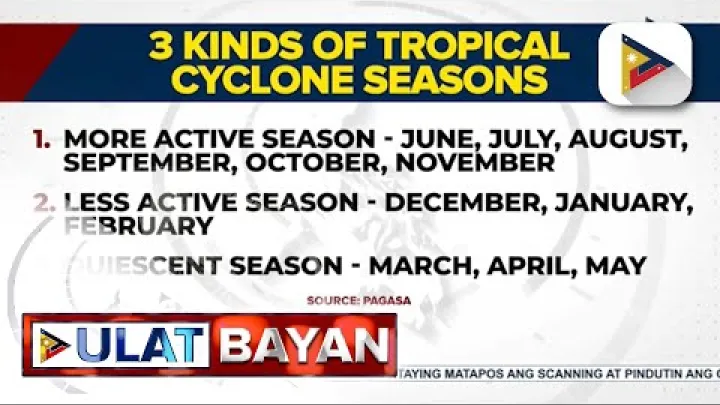
For a Dipolog trip, the main issue is often indirect disruption. A storm system elsewhere can still bring heavy rain, rougher sea conditions, poor visibility, or delayed onward travel. If your itinerary depends on ferries, regional road travel across the Zamboanga Peninsula, or fixed same-day connections, avoid very tight schedules during the peak storm-risk months.
Before and during wet-season travel, check current official weather bulletins rather than relying only on long-term climate averages. Averages help you choose the season; live advisories help you decide what to do on a specific day.
Month-by-Month Guide to Dipolog
This month-by-month guide summarizes the usual travel feel in Dipolog. Conditions can vary by year, so use it as a planning tool, then check the current forecast close to your travel date.
| Month | General travel feel | Best for |
|---|---|---|
| January | Comfortable dry-season period | City walks, families, early-year trips |
| February | One of the best balanced months | Heat-sensitive travelers, sightseeing |
| March | Drier and sunnier, increasingly hot | Coastal views, outdoor plans |
| April | Strong dry-weather choice, hot | Outdoor trips, festivals, photography |
| May | Hot, humid, and transitional | Festival travel with flexibility |
| June | Wetter planning becomes important | Flexible city stays |
| July | Wet-season and storm-risk period | Flexible travelers only |
| August | Frequent rain interruptions possible | Low-pressure itineraries |
| September | Wetter and less predictable | Budget-minded flexible trips |
| October | Storm disruption risk remains higher | Travelers with backup plans |
| November | Transition toward better conditions | Flexible late-year visits |
| December | Improving weather, holiday demand | Festive trips, cooler city stays |
January to April
January and February are generally good months for a Dipolog city stay. The air can feel more comfortable than in the hotter late dry season, and walking between local stops is usually easier. These months are suitable for families, older travelers, and visitors who prefer to avoid the heaviest heat.
March and April are the strongest weather window for many outdoor plans. Rain disruption is usually lower, coastal visibility is often better, and it is easier to plan nature walks, viewpoints, parks, and relaxed meals outdoors. The trade-off is heat, especially around midday.
April is often the best simple answer if your priority is drier weather. Late April may also overlap with the start of local festival activity, so it can be a good time for cultural travelers who are comfortable with warmer days and potentially livelier streets.
May to August
May is hot, humid, and transitional. Early May may still feel close to the dry season in some years, while later May can bring more showers and a stronger rainy-season feel. It can also be culturally active, so travelers interested in events should build in extra flexibility.
June is a practical turning point for wet-season planning. Rain becomes a more important factor, and short outdoor activities are better scheduled in the morning. Keep a flexible afternoon plan in case showers become heavy.
July and August are core wet-season months. They are not automatic no-go months, but they are less reliable for travelers who need clear weather for only a short visit. If you travel then, keep plans simple, protect electronics and documents from rain, and avoid itineraries that depend on perfect weather every day.
September to December
September and October are among the more uncertain months for weather-sensitive travel. They can work for flexible visitors, but they are not the best choice for a coastal-focused or outdoor-heavy short trip. Rain, clouds, and storm influence may reduce visibility and affect plans beyond central Dipolog.
November is a transition month. Conditions may improve, but wet-season effects can still appear, especially if regional weather systems are active. It is a reasonable choice for travelers who want to avoid the busiest holiday period and can keep some flexibility.
December becomes increasingly favorable for many visitors. The weather is often more comfortable than in the wettest months, but holiday travel can increase demand. If you plan to visit around Christmas or New Year, book accommodation earlier and leave more time for transport.
Best Time to Visit by Travel Style
The best season for Dipolog depends on what you want to do. A visitor focused on coastal views may choose different dates from a traveler who wants festivals, lower crowds, or a quieter city break.
Coastal Leisure and Sunset Viewing
Late January to April is the best period for coastal walks, sunset viewing, and relaxed beach-oriented plans near Dipolog. Rain and cloud disruption are generally lower, so you have a better chance of clear views over the Sulu Sea coast.

Coastal activities depend on more than temperature. Wind, storms, heavy rain, and sea conditions matter, especially if any plan involves a boat. From June to October, short coastal-focused trips become less reliable because rougher weather can change plans quickly. Always check local sea conditions before any boat-based activity.
Nature Trips and Outdoor Activities
February to April is the most practical window for nature walks, viewpoints, parks, and light hiking around Dipolog and nearby areas of Zamboanga del Norte. Trails and roads are more likely to be manageable, and visibility is often better than during the wettest months.

Heavy rain can make paths muddy, reduce views, and make outdoor movement less comfortable. Even in better months, start early in the day. This helps you avoid both the strongest heat and the higher chance of afternoon showers.
Festivals and Local Events
Cultural travelers may prefer to plan around festivals rather than choose only the driest weather. Dipolog's P'gsalabuk Festival is a key local event associated with togetherness and Subanen cultural expression. The Tourism Promotions Board places the P'gsalabuk Festival around the third week of April to the fourth Saturday of May.
Local schedules can vary by year, and some activities may extend beyond the main festival window. Check the current event calendar from Dipolog City before booking flights or rooms around festival dates.
Festival periods can mean livelier streets, more demand for rooms, and busier restaurants or public spaces. If you want the cultural atmosphere, book earlier and accept some crowding. If you want a quieter stay, avoid the peak event dates or stay slightly outside the busiest period.
Budget and Low-Crowd Travel
The low-crowd trade-off is simple: wetter months may be quieter and sometimes better value, but they come with more rain and disruption risk. June, September, or parts of the wet season can suit flexible travelers who do not need perfect weather and can adjust activities day by day.
These months are not the best weather choice. They are better for visitors who prioritize a slower pace, indoor backup plans, or possible savings over sunshine. Avoid making exact assumptions about hotel prices because rates can change with events, holidays, and local demand.
Booking earlier is useful for January, late April to May, and late December. These periods may attract travelers because of better weather, festivals, or holidays.
Practical Planning Tips for a Dipolog City Stay
A good Dipolog itinerary is not complicated, but it should be weather-aware. Pack for warmth, plan around rain, and leave enough flexibility for local conditions.
What to Wear and Pack
Bring light, breathable clothing for all seasons. Cotton, linen, or quick-dry fabrics are practical for warm and humid weather. Comfortable walking shoes or sandals with grip are useful for city movement, short walks, and wet pavements.
Sun protection matters even when clouds are present. Pack sunglasses, a hat or cap, sunscreen, and a reusable water bottle. For wet-season travel, add a compact umbrella or light rain jacket, quick-dry clothing, waterproof protection for your phone and documents, and backup footwear.
For festivals or city evenings, choose modest and comfortable clothing suitable for crowds, walking, and humid air. You do not need specialized gear for a normal city stay, but you should be ready for both sun and sudden rain.
How to Plan Around Rain and Live Forecasts
Separate climate averages from live weather. Climate averages help you choose whether February, April, July, or November is likely to suit your trip. Live forecasts and advisories help you decide whether to take a morning walk, postpone a day trip, or allow more time for transport.
During the wet season, place outdoor activities early in the day and keep afternoons flexible. Indoor meals, café time, rest periods, or short city errands can fill rainy periods without making the day feel wasted.
Before flights, regional road trips, boat travel, or storm-season itineraries, check current weather advisories. Do not treat long-range forecasts as certainty; use them as an early signal, then confirm closer to the date.
Local Checks Before Day Trips
If you plan to go beyond central Dipolog, verify road, sea, and activity conditions locally. This is especially important during or after heavy rain, when visibility, road comfort, and coastal conditions can change.
Weather can affect regional road travel across the Zamboanga Peninsula and coastal plans along the Sulu Sea. This does not mean disruption is constant, but it does mean travelers should avoid very tight same-day onward connections during wet or stormy periods.
Leave buffer time for departures from Dipolog in the rainy season. If a boat trip, long road transfer, or flight connection is important, consider staying one extra night or choosing a less compressed schedule.
Final Recommendation
The best time to visit Dipolog is February to April, with March and April especially strong for drier weather and outdoor plans. Choose February if you want a slightly more comfortable dry-season feel, April if you want one of the best chances for dry conditions, and late April to May if festivals are a priority.
Treat June to November as the wetter and more flexible travel season, with July to October requiring the most caution because of higher tropical cyclone activity in the Philippines. December and January can also be good choices, but holiday or event demand may require earlier booking. For the smoothest trip, match your month to your purpose, check live forecasts close to travel, and keep enough flexibility for Dipolog's tropical weather.
Select area
Create a post
Posting is free and no registration is required.