Puerto Princesa Getting There: Flights, Ferries & Routes
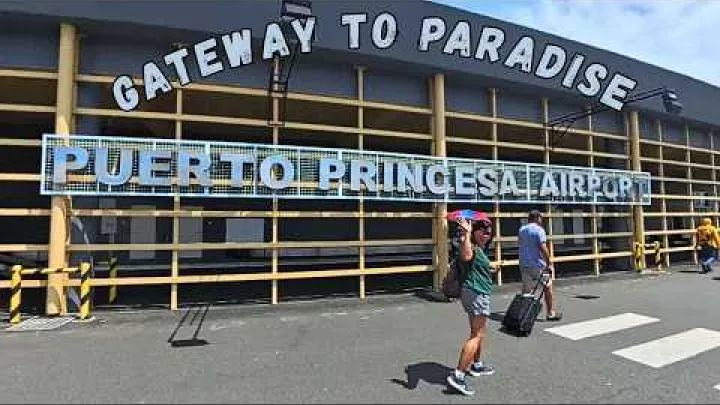
Puerto Princesa getting there planning is usually straightforward if you know the main gateways and leave enough room for schedule changes. The city is one of Palawan’s most important arrival points, with air access through Puerto Princesa International Airport and possible sea access through Puerto Princesa seaport. It also connects by road with other Palawan destinations such as El Nido, Port Barton, San Vicente, Rio Tuba, and southern departure points for Balabac. This guide explains the main routes, what each option is best for, and what to check before you book.
Quick Answer: The Best Way to Get to Puerto Princesa
For most visitors, the simplest way to reach Puerto Princesa is to fly into the city, usually after connecting through a larger Philippine gateway. Ferry and overland routes can work well for flexible travelers, but they require more careful planning.
Best route for most travelers
For time-limited travelers, flying into Puerto Princesa International Airport is usually the fastest and simplest approach. Many international visitors first arrive in the Philippines through a major gateway such as Manila or Cebu, then take a domestic flight onward to Puerto Princesa when services are available and schedules fit.
This does not mean every origin has a direct connection, or that flight frequency is the same all year. Domestic air routes can change because of demand, aircraft availability, weather, and airline planning. Treat flight search results as current only for the dates you are checking, and confirm the exact airport, terminal, baggage rules, and ticket conditions before paying.
When slower routes may make sense
Slower routes may make sense if you have flexible time, more luggage, a lower-budget travel style, or a personal interest in sea travel. Ferries may be useful when passenger services are operating from relevant ports, and overland routes are common for travelers already elsewhere in Palawan.
The trade-off is certainty. Ferries are more exposed to sea conditions, safety decisions, and schedule changes. Long road journeys within Palawan can also take longer than expected because of traffic, road conditions, weather, or delays at departure points. These routes are not usually the easiest choice for a short holiday with fixed tours or an international flight soon after arrival.
What to verify before relying on any route
Before relying on any route, confirm that it is operating on your travel date. Check the departure point, arrival point, departure time, check-in time, baggage allowance, cancellation policy, and any terminal requirements. For ferries, also check the port location and whether the service carries passengers on the date you need.
This article is a route-planning guide, not a live timetable. Airline and ferry networks in the Philippines can change by season, demand, equipment availability, and weather. Use current airline, ferry operator, airport, port, terminal, government, or recent local information before making final plans.
Puerto Princesa Entry Points and Local Geography
Puerto Princesa is both a city destination and a transport hub for wider Palawan. Understanding the airport, seaport, and road connections will help you choose the route that best fits your itinerary.
Puerto Princesa International Airport
Puerto Princesa International Airport is the main air arrival point for the city. It is the airport travelers usually mean when they talk about flying to Puerto Princesa, and it is relatively close to the urban core compared with airports that serve remote resort areas.
The word international in the airport name should not be treated as proof that direct international flights operate from every country, in every season, or in every year. International travelers should check current airline schedules and be ready to connect through Manila, Cebu, Clark, or another Philippine gateway if that is the practical route on their dates.
Puerto Princesa seaport
Puerto Princesa seaport is the relevant arrival point for passenger ferry routes when services are available. Ferry travel can be practical for some travelers, especially those building a longer journey through the Philippines, but it normally involves more waiting and more schedule uncertainty than flying.
Port procedures, boarding requirements, and arrival arrangements vary by operator and vessel. Avoid planning around an assumed ferry route unless you have confirmed the current service directly with the operator or with reliable port information. Do not rely only on old blogs, screenshots, or outdated travel forum posts.
How Puerto Princesa connects with the rest of Palawan
Puerto Princesa connects with other parts of Palawan by road and, in some itineraries, by onward sea connections from other towns. Travelers often use the city as an entry point before continuing north toward Port Barton, San Vicente, or El Nido, or as a return point after traveling elsewhere in the province.
It can also be part of southern Palawan planning, including routes connected with Rio Tuba and trips that continue toward Balabac. These southern journeys often require stronger schedule buffers and more local coordination. Getting to Puerto Princesa and continuing elsewhere in Palawan should be planned together, not as separate decisions.
Getting to Puerto Princesa by Air
Air travel is the main option for travelers who want the shortest journey time and the least complicated arrival. The best gateway depends on where you are starting, whether you are on one ticket or separate tickets, and how much risk you can accept in your connection.
Flying via Manila
Manila is commonly used as a gateway for travelers arriving from abroad or from other parts of the Philippines. A typical route may involve an international flight into Manila, immigration and baggage procedures if arriving from overseas, then a domestic flight to Puerto Princesa.

Be careful with tight connections. Depending on your ticket, you may need to collect checked baggage, move between terminals, check in again, pass security, and board the domestic flight. If your international and domestic flights are on separate tickets, a delay on the first flight may not protect the second booking. Allow generous connection time, especially after long-haul travel or during busy travel periods.
Flying via Cebu and other domestic gateways
Cebu can be an important alternative gateway when flights align with your origin and itinerary. For some travelers, connecting through Cebu may reduce backtracking or fit better with a wider Philippines trip. Clark and other domestic origins may also be worth checking, but routes should be treated as possibilities rather than guaranteed services.
If you are starting in a smaller Philippine city, you may need to connect through a larger hub before continuing to Puerto Princesa. Search by your exact travel dates and compare the total journey, not only the lowest fare. A cheaper route with a long layover, separate tickets, or an overnight airport wait may be less useful than a more direct connection.
International travelers and separate tickets
A through-ticket means your international and domestic flights are part of one booking. Separate tickets mean you have bought the flights independently, even if the airlines are related or appear in the same search result. This difference matters when delays, baggage, and missed connections occur.
With separate tickets, you may be responsible for collecting baggage, re-checking it, changing terminals, and arranging a new domestic flight if the first flight arrives late. Airline policies differ, so check the conditions of your own booking. If you arrive from a long-haul flight, conservative planning is usually better than trying to save a few hours with a tight same-day connection.
Airfare, baggage, and timing considerations
Airfares are dynamic. Prices can change with demand, travel season, booking timing, seat availability, and promotional periods. The fare shown first may not include everything you need, especially if you have checked baggage or want flexibility.
Compare the full trip cost. Checked baggage, seat selection, payment fees, change fees, meals during layovers, and airport transfers can change the real value of a ticket. Also consider the timing of arrival. A late-night arrival may require a pre-arranged pickup or a hotel near the city, while a daytime arrival may make local transport easier.
| Air route factor | Why it matters | What to check |
|---|---|---|
| Gateway | Manila, Cebu, Clark, or another hub may fit different origins. | Current routes on your date. |
| Ticket type | Separate tickets create more connection risk. | Baggage and missed-connection rules. |
| Baggage | Low base fares may exclude checked bags. | Allowance, fees, and size limits. |
| Arrival time | Late arrivals can limit local transport choices. | Pickup options and hotel check-in. |
Getting to Puerto Princesa by Ferry
Ferry travel can be part of a Philippines journey, but it needs more flexibility than flying. Use it when the route is confirmed, your schedule can absorb disruption, and the slower journey fits your travel style.
Long-distance ferry options to verify
Passenger ferries may be an alternative to flying when services are operating from relevant major Philippine ports. However, ferry routes, departure days, vessel assignments, and booking rules can change. Do not assume that a route is active because it operated in the past.

Before planning around a ferry to Puerto Princesa seaport, check directly with the ferry operator or reliable port information. Confirm the exact departure port, boarding time, accommodation type, baggage rules, ticket collection process, and cancellation policy. Ferries are usually much slower than flights, so they work best when you have flexible travel days.
Comfort, baggage, and onboard expectations
Ferry comfort can vary widely by vessel and ticket type. Some services may offer basic bunks or shared sleeping areas, while others may have more private accommodation. Facilities, food options, air-conditioning, toilets, and power access should not be assumed without checking the specific vessel or operator.
Ferries can be useful for travelers with more luggage, but baggage rules still apply. Prepare for a slower journey with essential documents, drinking water, snacks, medicine, a power bank, and patience. Keep valuables close, and avoid packing critical items deep inside checked or stored baggage.
Weather and ferry cancellations
Sea travel can be affected by rough seas, monsoon conditions, tropical weather systems, and port safety decisions. A cancellation or delay can be frustrating, but safety-related decisions should be treated seriously.
If you are taking a ferry before a flight, tour, or international connection, add buffer time. Avoid using informal boat alternatives during unsafe weather or when official services are suspended. Waiting for safe conditions is better than forcing a risky transfer.
Overland Routes Within Palawan
Travelers who are already in Palawan often reach Puerto Princesa by road. The practical options are usually vans, buses, or private transfers, but availability and reliability vary by route and date.
Arriving from El Nido, Port Barton, or San Vicente
If you are already in northern or central Palawan, you may reach Puerto Princesa by road from places such as El Nido, Port Barton, or San Vicente. Vans, buses, and private transfers are common transport categories, but departure points and schedules should be checked locally before you rely on them.
Plan conservatively if you are connecting to a flight or ferry from Puerto Princesa. A road journey that looks manageable on paper can be affected by pickup delays, full vehicles, rest stops, road works, rain, or traffic near the city. If the onward connection is important, consider arriving in Puerto Princesa the day before.
Arriving from southern Palawan
Puerto Princesa also connects with southern Palawan towns and departure points for more remote itineraries. Travelers may encounter route planning connected with Rio Tuba or with trips that continue toward Balabac, but these journeys require more local checking than standard city-to-city travel.
Southern routes may need earlier departures, more coordination, and stronger buffers. Road and boat arrangements can change because of weather, local conditions, or operator availability. Keep the focus on reaching Puerto Princesa safely and reliably before adding tight onward plans.
Vans, buses, and private transfers
Vans are often chosen for speed and convenience, but they can feel cramped, especially with luggage. Buses may be more spacious and may cost less in relative terms, but they can be slower and less flexible. Private transfers usually cost more, but they can reduce complexity, especially for groups, families, late arrivals, or travelers with heavy bags.
Choose reputable providers and confirm the pickup point, drop-off point, departure time, luggage space, and whether the trip is shared or private. Avoid same-day long road transfers before critical departures when you can. The more important your flight or ferry is, the more valuable a schedule buffer becomes.
| Transport type | Best for | Main caution |
|---|---|---|
| Van | Travelers who want a direct shared ride. | Can be cramped and timing can vary. |
| Bus | Travelers who prefer more space and lower relative cost. | Usually slower and less flexible. |
| Private transfer | Groups, families, late arrivals, and tight plans. | Usually more expensive. |
Arriving in Puerto Princesa
Your final transfer in Puerto Princesa is usually simpler than the long-distance journey, but it still helps to plan ahead. Arrival time, luggage, and your exact accommodation address can affect the best option.
From the airport to the city center
The airport-to-city transfer is usually a short final leg, but the exact time depends on traffic and where your accommodation is located. Common local transport categories may include tricycles, taxis, hotel pickups, or shuttle-style services, depending on availability at the time you arrive.
When possible, use official transport arrangements or pre-arranged hotel pickup. If you negotiate directly with a driver, agree on the fare before leaving and clarify whether the price is per person or per vehicle. Keep your accommodation name and address ready, ideally saved offline.
From the seaport to your accommodation
Ferry passengers should expect local transport at or near the port area, but availability may vary by arrival time and by how many passengers disembark at once. The area can feel busy after a large ferry arrival, and drivers may approach passengers quickly.
This does not mean every offer is unsafe or dishonest, but it is wise to slow down before accepting a ride. Confirm your destination, agree on the fare, and avoid committing to tours or onward transport immediately after arrival unless you have already compared options.
From bus or van drop-off points
Buses and vans may arrive at terminals, agency offices, or agreed drop-off points depending on the operator and route. Before booking, ask whether hotel drop-off is included or whether you will need a short local transfer after arrival.
Have small cash available, and keep the destination name ready. If your accommodation is not well known, save a map location or nearby landmark. This is especially useful after dark or when mobile data is weak.
Late-night arrivals and common fare misunderstandings
For late-night or very early arrivals, pre-arranging pickup is often the easiest choice. Transport supply may be lower, and tired travelers are more likely to accept unclear prices or inconvenient arrangements.
Common misunderstandings include whether a fare is per person or per vehicle, whether luggage is included, and whether a quoted price covers the full destination or only a nearby drop-off. Ask simple questions before boarding. Avoid rushed purchases of tours, vans, or ferry tickets immediately on arrival unless you are confident about the provider and terms.
Choosing the Right Route for Your Trip
The best route depends on your main constraint. Some travelers need speed, some need lower cost, some need comfort, and others need maximum certainty before a fixed international flight.
Fastest route for short trips
For short trips, prioritize flights and simple airport transfers when current availability supports that plan. A direct or well-timed domestic flight into Puerto Princesa usually protects more of your vacation time than a long ferry or multi-stage land-sea route.
Avoid long same-day road journeys before critical flight departures if possible. Paying more for a simpler route can be worthwhile when you have limited days, prepaid tours, or a non-refundable international connection.
Lower-budget route with flexible time
Flexible travelers can compare promotional airfares, ferry options, and road segments. The cheapest base ticket, however, is not always the cheapest full trip. Meals, overnight stays, baggage fees, missed connections, and delays can change the real cost.
If you choose a lower-budget route, protect yourself with time. Leave extra days before fixed bookings, and avoid stacking a ferry, long road transfer, and flight too closely together. A lower fare is less useful if it creates expensive rebooking problems.
Multi-destination Palawan itineraries
Puerto Princesa can be an entry point, exit point, or midpoint in a Palawan itinerary. Travelers may combine it with El Nido, Port Barton, San Vicente, or other destinations. Some wider routes may also involve Coron, but connections should be checked carefully because they can depend on current air, sea, and road availability.
Plan the direction of travel to reduce backtracking. For example, if current routes allow you to enter through one gateway and leave through another, that may save time. But this only works if the flights, ferries, and road transfers on your actual dates are reliable enough for your schedule.
Current-Information Checklist Before You Book
Because transport schedules can change, your final planning step should be a current-information check. This is especially important for ferries, separate-ticket flights, remote onward trips, and any arrival near a fixed international connection.
Transport details to confirm
Confirm each important detail before you book and again close to departure. Save confirmations offline in case mobile data is weak or your email app does not load at the terminal.
- Active route on your exact travel date
- Correct departure point and arrival point
- Departure time, check-in time, and boarding requirements
- Baggage allowance, size limits, and extra fees
- Cancellation, delay, and rebooking rules
- Terminal, port, or airport requirements
- Payment confirmation and ticket collection process
- Local transfer from the arrival point to your accommodation
Use official airline, ferry operator, airport, port, terminal, government, or recent local sources when available. If information from two places conflicts, contact the operator directly before relying on the route.
Weather and disruption planning
Check weather advisories before flights, ferries, and long road transfers. Weather can affect air travel, sea crossings, and road conditions, especially when trips involve remote areas or small transport operators.
Add buffer days for ferry travel, remote onward trips, and international connections. If a service is cancelled for safety reasons, wait for safe conditions rather than looking for risky informal alternatives. Your route should protect your safety first and your schedule second.
How to compare time, cost, comfort, and risk
Choose the route that protects your most important constraint. If time matters most, fly when schedules fit. If budget matters most and your dates are flexible, compare ferries and promotional airfares, but include meals, accommodation, and delay risk. If comfort matters, avoid the most cramped or fragmented route. If certainty matters, keep the itinerary simple and add buffers.
| Option | Relative strength | Relative risk |
|---|---|---|
| Flight | Fastest for most travelers. | Delays and separate-ticket connections. |
| Ferry | Useful for flexible sea travel. | Weather-sensitive and slow. |
| Van | Direct road option within Palawan. | Cramped space and variable timing. |
| Bus | More spacious and lower relative cost. | Usually slower. |
| Private transfer | Most flexible road option. | Higher relative cost. |
Conclusion: Planning a Smooth Arrival in Puerto Princesa
The easiest way to get to Puerto Princesa is usually by air through Puerto Princesa International Airport, often with a connection through Manila, Cebu, Clark, or another Philippine gateway. Ferries and Palawan road routes can also work, especially for flexible travelers, but they need more current checking and stronger schedule buffers.
Before booking, confirm the active route, terminal, timing, baggage rules, cancellation terms, weather outlook, and final transfer to your accommodation. A smooth Puerto Princesa arrival is less about finding one perfect route and more about choosing the option that best balances time, cost, comfort, and disruption risk for your trip.
Select area
Create a post
Posting is free and no registration is required.