El Nido Travel Guide: Planning Your First Trip to Palawan

This El Nido travel guide is for first-time visitors who want a practical, realistic plan for northern Palawan. El Nido is famous for Bacuit Bay, limestone cliffs, clear-water lagoons, beaches, and boat-based island-hopping, but a good trip depends on choosing the right base, season, transport route, and pace. This guide explains how El Nido fits with Puerto Princesa, Coron, Port Barton, and other Palawan stops, plus where to stay, what to do, how to budget, and what to check before you travel. Use it as a planning framework, then confirm current weather, transport, access rules, and local conditions close to your travel dates.
Why Visit El Nido and How It Fits Into Palawan
El Nido sits in northern Palawan and is often used as a main anchor for a Palawan itinerary. It is not only a beach town; it is a gateway to islands, lagoons, snorkeling sites, and dramatic coastal scenery around Bacuit Bay. The destination works best for travelers who enjoy nature, boat days, simple coastal logistics, and a mix of active and relaxed travel.
What Makes El Nido Different
El Nido’s strongest appeal is its landscape. Limestone cliffs rise from the sea, beaches sit between rocky headlands, and many of the most memorable places are reached by boat rather than by walking from town. This is important for planning because the main town beach is functional and convenient, but it is not the full El Nido experience.
Most first-time visitors come for island-hopping, snorkeling, kayaking, beach stops, and views across Bacuit Bay. The town itself provides restaurants, tour offices, accommodation, small shops, and nightlife, while nearby areas such as Corong-Corong, Las Cabanas, Lio Beach, and Nacpan Beach offer different ways to experience the coast.
El Nido is best approached with realistic expectations. It can be beautiful and rewarding, but it is also a busy travel hub with weather-sensitive activities, variable road and sea conditions, and accommodation that ranges from simple guesthouses to more comfortable beach stays. A good plan leaves space for both scenery and logistics.
How Long To Stay
A very short visit can work if your goal is one major island-hopping day and a quick look at town. However, a short stay gives little margin for rain, rougher sea conditions, delayed transfers, fatigue, or a change in tour availability. If El Nido is the highlight of your Philippines trip, avoid treating it as a one-night stop unless your schedule is very limited.
For many first-time visitors, four to six nights is a practical range. This allows time for at least one or two boat days, a beach or inland day, a rest period, and a buffer before onward travel. It also makes the trip feel less rushed after the journey from Manila, Cebu, Puerto Princesa, Coron, or another Philippine hub.
Longer stays suit divers, remote workers, slow travelers, families, and anyone who wants to split time between El Nido town proper and a quieter beach area. Extra nights also help during more variable weather periods, when it may be better to move plans around instead of forcing every activity into a fixed schedule.
El Nido, Coron, Puerto Princesa, and Port Barton
El Nido is one part of a wider Palawan route. Coron is often paired with El Nido and is known for lake and lagoon scenery, island trips, and diving. The connection between the two can be attractive, but sea travel is dependent on current schedules, operators, and weather, so it should not be planned with no buffer.
Puerto Princesa is often used as an entry or exit point for Palawan. Some travelers fly there and continue north by road to El Nido, while others use it to connect with other destinations in the province. It is more of a transport and administrative hub for many visitors than a direct substitute for El Nido’s island-hopping scenery.
Port Barton is a quieter coastal base that can appeal to travelers who want a slower pace. San Vicente may also appear in wider Palawan plans, especially for visitors looking beyond the most common route. If you have limited time, El Nido can be the main anchor. If you have more time, it can be combined with Coron, Port Barton, Puerto Princesa, or other stops in a broader Palawan itinerary.
Best Time To Visit El Nido
Weather is one of the biggest planning factors for El Nido because many activities take place at sea. Seasonal patterns can help you choose dates, but tropical weather is never fully predictable. Even during generally drier periods, rain, wind, or sea conditions can affect boat comfort and activity plans.
Seasons, Rain, and Sea Conditions
El Nido generally has more favorable travel periods and more variable travel periods, but conditions can change from day to day. Many travelers aim for the drier months because island-hopping is more comfortable when seas are calmer and visibility is better. However, dry-season travel does not guarantee perfect weather every day.
During wetter or more changeable periods, El Nido can still be visited by flexible travelers. The key is to avoid a schedule where one canceled or uncomfortable boat day ruins the entire trip. Build in a buffer day, keep a beach or café day as a backup, and avoid placing your most important sea activity immediately before a fixed onward flight or ferry.
Before joining sea activities, check current weather information and local boat advisories. Listen to your boat crew or tour organizer if they adjust a route or recommend postponing a trip. In El Nido, safety and comfort depend less on the month written in your itinerary and more on actual conditions on the day.
Crowds, Prices, and Booking Timing
Popular travel periods usually bring stronger demand for accommodation, flights, transfers, and private tours. Holidays and school break periods can make preferred hotels and convenient transport harder to secure. If you are traveling during a busy period, book your most important arrangements early, especially flights and accommodation in your preferred area.
Shoulder periods may offer a useful balance for travelers who can accept some weather uncertainty. You may find a calmer atmosphere and more flexibility, but it is still wise to confirm cancellation terms and avoid overcommitting to non-refundable plans.
Budget travelers should pay attention to timing. El Nido can feel more expensive than quieter Philippine destinations because it is remote, popular, and dependent on transport and tour logistics. Comfort-focused travelers should also book early if they want a specific beach location, larger room, family setup, or quieter property.
Choosing The Right Season For Your Travel Style
If your priority is classic island-hopping, choose dates that usually offer more stable weather and leave enough time for rescheduling. If your priority is lower crowds or budget control, consider less busy periods but keep plans flexible. Photographers may prefer clearer days and softer light, while families may value predictable transport, easy accommodation access, and less rushed days.
Divers and snorkelers should check conditions with reputable local operators before committing to specific expectations. Marine visibility, currents, and site access can vary. Do not plan around guaranteed wildlife sightings or fixed underwater conditions.
Flexible long-stay travelers have the easiest time adapting. They can wait for better weather, rest between boat days, and explore beaches such as Nacpan, Lio, or Las Cabanas when sea activities are not ideal. If your itinerary is tight, choose the season carefully and leave more buffer than you think you need.
Where To Stay In El Nido
Choosing where to stay affects daily transport, noise, tour convenience, food options, and how relaxed your trip feels. There is no single best base for every traveler. The right area depends on whether you value easy logistics, sunset views, beach atmosphere, family comfort, nightlife, or a quieter escape.
El Nido Town Proper
El Nido town proper is the most convenient base for many first-time visitors. It has a high concentration of restaurants, tour offices, small shops, bars, basic services, and accommodation. It is also useful for travelers who want to arrange island-hopping locally and keep daily logistics simple.
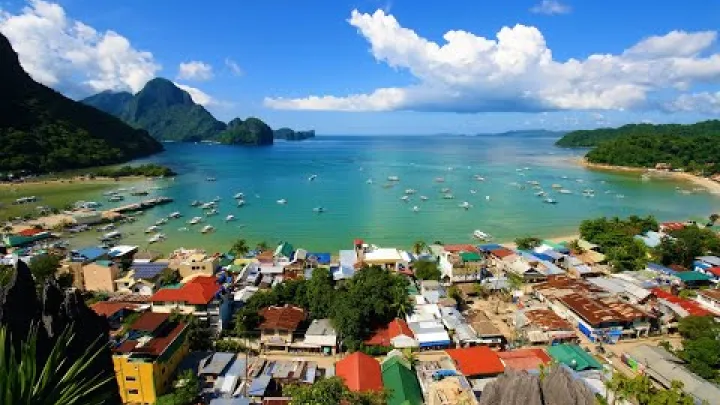
The trade-off is atmosphere. Town can feel compact, busy, and noisy, especially near restaurants, bars, or main streets. The beach in town is more practical than remote or resort-like, and many visitors use it as a departure and logistics area rather than their main beach day location.
Stay in town if you want convenience, social energy, simple evenings, and short local movement. Before booking, check the exact location, noise comments, room size, access steps, and whether the property is on a main road, side street, or waterfront area.
Corong-Corong and Las Cabanas
Corong-Corong is a popular compromise between convenience and a calmer coastal feel. It can work well for travelers who want sunset views, beachfront or near-beach stays, and access to El Nido town by local transport. It is often a good choice for couples, mid-range travelers, and visitors who do not need to be in the center of town every night.

Las Cabanas, also known as Marimegmeg Beach, is more beach-focused and often chosen for relaxed afternoons and sunset. It can feel less hectic than town, although the exact experience depends on where you stay and when you visit. Some properties are closer to the beach atmosphere, while others may require walking or local transport.
The main trade-off is coordination. You may need to plan transport for early tours, late dinners in town, or errands. Before booking, check the exact property position, beach access, tide and swimming comments, road access, and how easy it is to reach tour meeting points.
Lio Beach and Nacpan Beach
Lio Beach can suit travelers who want a calmer, more planned-feeling base with a self-contained atmosphere. It may appeal to families, couples, and visitors who prefer a less crowded setting while still staying within reach of El Nido’s main activities. The exact convenience depends on your accommodation and current transport options.
Nacpan Beach is better for travelers who want a more remote, beach-focused stay. It can be a good choice for slow travel, reading, swimming when conditions are suitable, and relaxing away from the center. It is not ideal for every first-time visitor because staying farther from town can mean longer transfers, fewer immediate services, and more planning for tours and meals.
If you are deciding between areas, use the table below as a simple starting point. Always check the exact property location, recent guest comments, and transport arrangements before booking.
| Base area | Best for | Main trade-off |
|---|---|---|
| El Nido town proper | Convenience, restaurants, tours, nightlife | Busy setting and possible noise |
| Corong-Corong | Sunsets, balanced access, quieter stays | Some transport needed |
| Las Cabanas / Marimegmeg Beach | Beach afternoons and relaxed evenings | Less central for errands and tours |
| Lio Beach | Calmer stays, couples, families | More self-contained atmosphere |
| Nacpan Beach | Remote beach time and slow travel | Longer transfers and fewer services |
How To Get To El Nido and Move Around
Getting to El Nido usually involves a trade-off between convenience, cost, travel time, baggage, and connection risk. Because transport schedules and policies can change, confirm details close to booking and again before travel. This is especially important if you are connecting after an international flight or planning onward sea travel.
Choosing Between Direct Flights and Puerto Princesa
Some travelers choose to fly directly to El Nido because it reduces overland travel and can make a short trip easier. This option is often attractive for visitors with limited vacation time, families, or travelers who want to avoid a long road transfer. The trade-offs may include higher fares, baggage limits, limited schedule choices, or less flexibility depending on the season.

Another common route is flying to Puerto Princesa and continuing north by road. This can be useful if flight options are better, if you are adding Puerto Princesa or Port Barton, or if the overall cost works better for your budget. The trade-off is a longer transfer day, which can feel tiring after a long-haul arrival.
Avoid tight same-day connections when possible. If your international flight, domestic flight, road transfer, or boat connection is delayed, a tight plan can become stressful quickly. For comfort, add buffer time at the beginning and end of your El Nido stay, especially during variable weather periods.
Traveling Between El Nido, Coron, and Other Palawan Stops
El Nido can be linked with Coron, Puerto Princesa, Port Barton, San Vicente, and other Philippine hubs depending on your route and available time. The best direction depends on flight options, sea transport, road transfers, and how much energy you want to spend moving between places.
El Nido and Coron are a popular pairing, but the connection is weather-sensitive and operator-dependent. Some travelers choose a direct sea connection, while others prefer to route through larger hubs if schedules, comfort, or reliability matter more. Expedition-style travel may also be available at times, but it requires more time, budget, and tolerance for simple conditions.
Before committing to onward travel, check current schedules, cancellation policies, baggage rules, sea conditions, and how delays would affect your next hotel or flight. If you have a fixed international departure, avoid placing weather-sensitive sea travel too close to it.
Local Transport Around Town and Beaches
In El Nido town proper, walking may be enough for many restaurants, shops, and tour offices. For short local trips, visitors often use tricycles or similar local transport. For farther beaches, airport transfers, or movement between base areas, you may need a shuttle, van, private transfer, or arranged pickup through your accommodation.
Motorbike rental can be appealing for independent travelers, but it is best left to experienced riders who are comfortable with local road conditions. Wear a helmet, check the condition of the bike, understand the rental terms, and do not ride if you are tired, impaired, or unfamiliar with the route.
Your accommodation choice strongly affects transport costs and convenience. A cheaper room far from town may not be cheaper overall if you need frequent rides. Before booking, ask how you will reach tours, dinner areas, beaches, and onward transfers.
Things To Do In El Nido
Most El Nido trips combine boat days with beach time, viewpoints, snorkeling, diving, and relaxed evenings. The best plan is not to do everything. Choose a few priority experiences, leave room for weather, and keep at least one slower day between high-sun or long-transfer days.
Island-Hopping Tours and How To Choose
Island-hopping is the core activity for many visitors. El Nido tours are commonly organized around lettered routes, which work as a planning framework for lagoons, beaches, snorkeling areas, and island stops. However, routes, site access, permits, and timing can change, so treat tour descriptions as current offers rather than permanent rules.
Shared group tours are usually the simplest choice for budget travelers and solo travelers. They are social, easy to arrange, and follow a set pace. Private boats usually cost more but can offer more flexibility with timing, pace, and group comfort, depending on current rules and operator arrangements.
Before booking, ask what is included and what is not. Lunch, snorkeling gear, kayaks, environmental fees, lagoon permits, beach towels, drinking water, and hotel pickup may vary by operator or package. Also ask what happens if weather changes the route or if a planned stop is not accessible that day.
Beaches, Viewpoints, and Inland Day Trips
Beach and inland days help balance the intensity of boat tours. Nacpan Beach is often considered for a slower beach day, while Las Cabanas / Marimegmeg Beach is convenient for sunset and relaxed afternoons. Lio Beach may suit travelers who want a calmer, more organized coastal setting.
Viewpoints and cliff areas can be tempting, especially around dramatic limestone landscapes. Taraw Cliff and similar viewpoints should be approached with caution because access, safety arrangements, guide requirements, and permitted routes can change. Do not follow informal or risky route advice without checking current local guidance.
For inland trips, confirm road conditions, weather, transport, expected travel time, and whether a guide is recommended or required. Bring water, sun protection, insect repellent, and enough cash for small payments. If conditions look unsafe, choose a beach, massage, café, or rest day instead.
Snorkeling, Diving, and Responsible Marine Travel
Snorkeling is often part of island-hopping days, and diving is available through local operators. Conditions vary, so avoid expecting guaranteed visibility, calm water, or specific marine life. Be honest about your swimming ability and choose activities that match your comfort level.
For diving, use reputable operators, check equipment, communicate your certification and recent dive experience, and avoid diving when tired or unwell. If you plan to fly after diving, follow conservative timing advice from your dive operator and training agency.
Responsible marine behavior matters in El Nido. Do not stand on coral, do not touch or feed wildlife, keep trash secured on boats, and use sun protection that reduces harm to marine environments where possible. Small visitor choices can help protect the same scenery that makes El Nido worth visiting.
Sample Itinerary Ideas
Use these itinerary ideas as flexible templates, not fixed schedules. Weather, sea conditions, fatigue, and transport changes may require adjustments. The goal is to protect your most important experiences while keeping the trip enjoyable.
Three To Four Days For First-Time Visitors
With three to four days, keep the plan simple. On arrival day, settle into your accommodation, confirm your tour booking, and explore town or your beach area. Avoid planning a major activity immediately after a long transfer unless you know you will arrive early and rested.
Use one full day for a priority island-hopping tour. If you have another full day, choose either a second boat trip or a slower beach day at Nacpan, Las Cabanas / Marimegmeg, Lio, or another accessible coastal area. Keep the final day light if you have fixed onward travel.
Do not schedule your most important boat trip on the last possible day if your next transfer is fixed. If weather affects the tour, you may have no chance to reschedule. A compact El Nido itinerary works best when it protects one priority experience and avoids trying to include every attraction.
Five To Seven Days For Slower Travel
With five to seven days, El Nido becomes easier to enjoy. You can take two or more island-hopping days, add a beach day, include rest time, and still have room for a weather buffer. This pace is better for couples, families, divers, photographers, and travelers who dislike rushing.
You might spend the first part of the trip in El Nido town proper for easy tour access, then move to Corong-Corong, Lio Beach, Las Cabanas, or Nacpan for a quieter finish. Splitting bases is useful only if it improves your experience; otherwise, changing hotels can add unnecessary packing and transport.
If you plan to continue to Coron, Port Barton, San Vicente, or Puerto Princesa, place onward travel after a buffer day when possible. Palawan distances and sea conditions can make movement slower than it looks on a map. A slower plan often creates a better trip than a longer checklist.
Costs, Money, and Booking Practicalities
El Nido can suit different budgets, but costs depend heavily on comfort level, location, season, transport route, and activity choices. Without current local price checks, it is safer to compare spending categories and travel styles than to rely on fixed amounts.
Budget Expectations Without Exact Price Claims
Your main costs will usually include accommodation, food, local transport, island-hopping, diving or special activities, airport or road transfers, and optional extras such as kayaking, laundry, massages, drinks, or private boats. Accommodation and transport choices often create the biggest difference between a low-cost trip and a comfortable one.
Budget travelers can reduce costs by staying in simpler rooms, eating at casual local places, joining shared tours, and limiting long private transfers. Mid-range travelers may prefer a quieter base, better room comfort, occasional private transport, and a mix of casual and more comfortable meals. Higher-end travelers often pay more for beachfront settings, private boats, resort facilities, and smoother transfers.
| Travel style | Typical choices | Planning note |
|---|---|---|
| Budget | Simple rooms, shared tours, casual meals | Watch transport costs from remote areas |
| Mid-range | Comfortable rooms, mixed dining, selected tours | Book preferred areas early in busy periods |
| Higher-end | Beach stays, private boats, smoother transfers | Confirm inclusions and cancellation terms |
El Nido may feel more expensive than quieter Philippine destinations because demand is high and logistics are more complex. This does not mean every trip must be costly, but it does mean planning choices matter.
Cash, ATMs, Cards, and Small Payments
Carry enough Philippine pesos for small restaurants, tricycle rides, tips, basic shops, market purchases, and incidental expenses. Card acceptance can vary by business type and location, and smaller operators may prefer cash.
It is wise to arrive with backup cash from a larger hub rather than depending entirely on withdrawing money after arrival. This is a risk-reduction habit, not a reason to worry. Keep cash in separate places and avoid carrying all of it during beach or boat days.
Before booking tours or transfers, ask which payment methods are accepted and whether deposits are refundable. For private boats, accommodation balances, or onward transport, confirm the amount, currency, deadline, and cancellation terms clearly.
What To Book In Advance and What Can Stay Flexible
Book flights, preferred accommodation, and critical transfer legs in advance during busy periods. This is especially important if you need a family room, beachfront stay, quiet location, direct flight, or connection that supports a wider Philippines itinerary.
Some island-hopping tours can often be arranged locally, especially shared tours, but popular dates, private boats, diving, or special arrangements may need earlier planning. If a specific experience is important to you, do not leave it until the last minute.
Keep some flexibility in your schedule. Weather, sun exposure, long transfers, and early starts can make El Nido more tiring than expected. Leaving one open day can improve the whole trip.
Safety, Health, and Responsible Travel
El Nido travel safety is mostly about practical decisions: boats, weather, roads, swimming ability, heat, food, water, and activity planning. A calm, prepared approach is more useful than fear. Choose suitable activities, listen to local guidance, and avoid unnecessary risks.
Boat, Weather, and Road Safety
For boat days, choose reputable operators, listen to crew instructions, and use life jackets when appropriate. Do not enter the water if you are impaired, exhausted, uncomfortable with conditions, or unsure of your swimming ability. If a route changes because of weather or sea conditions, treat that as a normal safety decision.
Weather can affect island-hopping, sea transfers, beach swimming, and road trips. Check current conditions before committing to activity-heavy days. Avoid scheduling a weather-sensitive boat trip immediately before a fixed onward flight or major transfer.
Road safety also matters, especially for longer beach trips or motorbike use. Confirm pickup points, road expectations, helmet use, and return transport before setting out. If you are not an experienced motorbike rider, use local transport instead of learning on unfamiliar roads.
Heat, Food, Water, and Medical Preparation
Sun exposure and dehydration can affect travelers quickly in El Nido. Bring water, sun protection, a hat, sunglasses, and light clothing for boat and beach days. Pace your activities and build rest into your itinerary, especially after long transfers.
Motion sickness, insect bites, stomach upset, minor cuts, and sunburn are common travel problems to prepare for. Pack basic travel medication, insect repellent, after-sun care, motion sickness treatment if needed, and any personal prescriptions. Drink safe water and be cautious with food choices if you have a sensitive stomach.
Travel insurance is strongly recommended, especially if you plan to join boat trips, dive, ride motorbikes, or travel with children or older family members. Divers should check medical fitness and insurance coverage before travel, not after arrival.
Environmental and Cultural Respect
El Nido’s appeal depends on sensitive coastal and marine environments. Visitors can reduce their impact by using refillable bottles where practical, avoiding single-use waste, securing trash on boats, and choosing operators that communicate responsible behavior clearly.
In the water, do not stand on coral, touch marine life, collect shells from protected areas, or feed fish for photos. On beaches and in town, dispose of waste properly and avoid leaving cigarette ends, plastic, or food packaging behind.
Respect also applies to local communities. Dress more modestly away from beaches, ask before photographing people, keep noise reasonable near residential areas, and be patient in small businesses. El Nido is a travel destination, but it is also home for local residents.
Final Planning Checklist
Before booking, decide how many nights you can give El Nido and whether it will be your main Palawan base or one stop in a wider route. Choose your accommodation area based on your travel style: town proper for convenience, Corong-Corong for balance, Las Cabanas / Marimegmeg for beach evenings, Lio Beach for a calmer stay, or Nacpan Beach for slower remote beach time.
- Confirm your arrival route, whether direct to El Nido or through Puerto Princesa.
- Leave buffer time for weather-sensitive boat trips and onward travel.
- Book important flights, accommodation, and transfers early during busy periods.
- Check what island-hopping tours include before paying.
- Carry enough Philippine pesos for small payments and backup needs.
- Prepare for sun, heat, motion sickness, insects, and basic medical needs.
- Choose safe transport and avoid motorbike riding if you are inexperienced.
- Respect coral, marine life, beaches, and local communities.
El Nido is easiest to enjoy when you plan with flexibility. Prioritize the experiences that matter most, keep your schedule realistic, and allow the weather and local conditions to shape the final details. With the right base, enough time, and a thoughtful pace, El Nido can be a memorable introduction to Palawan and the wider Philippines.
Select area
Create a post
Posting is free and no registration is required.