Cagayan de Oro Getting There: Flights, Ferries & Buses
Cagayan de Oro getting there planning is easier when you separate the trip into three arrival systems: air, sea, and road. Most travelers arrive through Laguindingan Airport, Macabalan Port, or one of the city’s long-distance bus terminals. The best route depends on where you start, how much luggage you carry, your budget, and how much schedule flexibility you have. This guide compares flights, ferries, buses, and practical arrival checks for travelers coming from Manila, Cebu City, Davao City, Iligan City, Bukidnon, Butuan City, Zamboanga City, and other Philippine gateways.
Quick Answer: Best Ways to Get to Cagayan de Oro
If you want the simplest overview, think of Cagayan de Oro as a Northern Mindanao hub with one main airport outside the city, a passenger ferry port near the city, and bus terminals serving different road corridors. Flights are usually the fastest way from Manila and Cebu. Ferries work best for travelers who are already in the Visayas or who prefer slow travel. Buses are the main practical option from many Mindanao cities.
Fastest, Cheapest, and Simplest Choices
The fastest way to get to Cagayan de Oro is usually to fly to Laguindingan Airport, then continue by road into the city. This is normally the preferred choice from Manila, Cebu, or any city where a short domestic connection is available. It is also the least complicated option for international travelers connecting through Philippine gateway airports.
The cheapest option is less predictable. A promotional flight may be cheaper than a ferry cabin once transfers, baggage, and meals are included. A bus from another Mindanao city may be the best-value option if you are already on the island. A ferry may be economical for some travelers with heavy baggage, but sailing days, accommodation class, and terminal procedures can change the real cost.
The simplest option is the one with the fewest transfers. For first-time visitors, students, families, and professionals relocating with bags, a flight plus a confirmed shuttle, taxi, or private pickup is often easier than a multi-leg route. For flexible travelers, ferries and buses can be practical, but they need more schedule checking.
| Mode | Best use case | Main arrival point | Key caution |
|---|---|---|---|
| Flight | Fast trips from Manila, Cebu, or connecting airports | Laguindingan Airport | Add road transfer time to Cagayan de Oro |
| Ferry | Slow travel, baggage-heavy trips, Visayas routes | Macabalan Port | Schedules and sailing status can change |
| Bus | Travel from Mindanao cities and regional towns | Agora Integrated Bus Terminal or Bulua Bus Terminal | Confirm the correct terminal and final stop |
| Private vehicle or van | Groups, work trips, or flexible road travel | Hotel, office, school, or city drop-off | Usually costs more than public transport |
Main Gateways and When to Use Them
Use Laguindingan Airport when speed matters or when you are arriving from Manila, Cebu City, or another air gateway. The airport serves Cagayan de Oro and the wider Northern Mindanao area, but it is not in the city center. You should plan a separate road transfer after landing.
Use Macabalan Port when you are taking a passenger ferry to Cagayan de Oro. This is the main sea arrival point for travelers coming from selected ports in Luzon and the Visayas. It can be convenient if your ferry arrives at a useful time and your accommodation is already arranged.
Use Agora Integrated Bus Terminal or Bulua Bus Terminal when arriving by road. These terminals matter because going to the wrong one can cost time, especially if you are transferring to another bus or arriving late. Manila and Cebu are the most useful national gateways, while Davao City, Iligan City, Bukidnon, Butuan City, and Zamboanga City are common overland origins within Mindanao.
Flying to Cagayan de Oro via Laguindingan Airport
Flying is the main choice for travelers who want to reduce travel time. It is also the most familiar option for international visitors who connect through Manila or Cebu before continuing to Northern Mindanao.
Airport Location and Arrival Expectations
Laguindingan Airport is the airport used for Cagayan de Oro and nearby areas of Northern Mindanao. It is located in Laguindingan, Misamis Oriental, so your flight does not place you directly in the city center. The airport is commonly treated by travelers as the air gateway for Cagayan de Oro, Iligan, and surrounding destinations.
The airport infrastructure has been developed as a regional gateway, with passenger and cargo facilities described in project information from the PPP Center. For trip planning, the important point is simple: book flights using the airport code CGY, then plan a road transfer to your final address in Cagayan de Oro.
Even if you see the airport described with international wording, do not assume that direct international routes are available for your travel date. Check current airline schedules and available connections before building an itinerary. For many travelers, the practical route remains an international flight to Manila or Cebu, followed by a domestic flight to Laguindingan Airport.
Flight Routes to Check from Manila and Cebu
Manila and Cebu are the most practical flight gateways for many travelers going to Cagayan de Oro. Manila is the larger national and international hub, with more long-haul and domestic connections. Cebu is often useful for travelers already in the Visayas or for those connecting through Mactan-Cebu International Airport.
Flight availability can vary by airline, season, day of the week, and booking period. Booking platforms such as Expedia list airlines and flight options associated with Laguindingan Airport, but you should still check the airline directly before paying for an important trip. Direct airline confirmation is especially important if you have checked baggage, a tight connection, or a same-day meeting in Cagayan de Oro.
When comparing flights with sea travel, compare the full door-to-door journey, not only the flight time. Add time for check-in, security, boarding, baggage claim, and the road journey from Laguindingan Airport to the city. Even with those additions, flying is usually the most time-efficient route from Manila and often the fastest from Cebu.
Last Leg from the Airport to the City
After landing at Laguindingan Airport, you need a road transfer into Cagayan de Oro. Typical options may include airport shuttles, buses, taxis, private vehicles, hotel-arranged pickups, or app-based rides where available. Availability can change by time of day, demand, and local operating arrangements.

Route-planning services such as Rome2Rio show road options between Laguindingan Airport and central Cagayan de Oro points such as SM CDO Downtown, including shuttle, taxi, and driving routes. Treat these as planning references, then confirm current transport choices close to your arrival date.
If you arrive late at night, shared transport may be more limited. This is when pre-arranging a hotel pickup, confirmed shuttle, or reliable taxi can reduce stress. Recognizable city drop-off areas may include central commercial zones such as Limketkai Mall or the Centrio area, but always confirm the exact stop, fare, and onward route before boarding.
Taking a Ferry to Cagayan de Oro
Ferries are a useful alternative for travelers who have time, want a sea journey, or are coming from selected ports in the Visayas or Luzon. They are less suitable for travelers who must arrive at a fixed hour because weather, vessel operations, and port procedures can affect timing.
Macabalan Port and Main Ferry Connections
Macabalan Port is Cagayan de Oro’s key passenger ferry arrival point. If you are booking a ferry, check that the destination is Cagayan de Oro and confirm the terminal details with the operator or booking platform. Port names, boarding procedures, and reporting times matter, especially if you are not familiar with Philippine ferry travel.
Ferry booking platforms such as Direct Ferries list Cagayan de Oro connections from ports including Cebu City, Manila, Bacolod City, Iloilo City, and Tagbilaran. Treat this as route guidance, not as a permanent schedule. Before you travel, confirm the operating company, sailing day, vessel, check-in time, and whether the route is still running on your chosen date.
Ferries can be helpful for travelers with heavier luggage, flexible schedules, or island-hopping plans. They can also be attractive if you prefer overnight travel and want to avoid an airport connection. However, ferries require more attention to schedules than flights because sailings may not match your exact preferred date.
Manila and Cebu Ferry Trade-Offs
A Manila to Cagayan de Oro ferry is a long, slow option. It may suit travelers who enjoy sea travel, have flexible time, or are moving with baggage that makes flying expensive. It rarely beats flying for speed, and it requires careful planning if you have hotel check-in times, exams, work appointments, or onward bus travel.
A Cebu to Cagayan de Oro ferry can be more practical for travelers already in Cebu City or elsewhere in the Visayas. Depending on the sailing, it may work like an overnight or long sea journey. It can save the need to go through an airport, but it still requires terminal transfers, boarding time, and flexibility.
Comfort depends on the vessel, sea conditions, accommodation class, and how early you book. A basic bunk is very different from a private cabin. If you are sensitive to motion, traveling with children, or carrying valuables, choose your accommodation type carefully and keep essential items with you.
Ferry Booking, Terminal Fees, and Weather Caveats
Book ferry tickets through official operators, recognized ticket offices, or reputable booking platforms. Be careful with copycat websites, social media sellers, and payment requests sent through private or untraceable channels. If a deal looks unusually cheap or the seller refuses to provide standard booking details, pause and verify before paying.
Philippine port travel may involve ID checks, baggage inspection, boarding windows, and terminal procedures. Some ports may also collect terminal or other local fees. Do not rely on old fee amounts found online unless they come from a current official or operator source.
Weather can affect sea travel. Rough seas, tropical weather systems, or port advisories may delay or cancel sailings. If your ferry connects to a flight, exam, work start date, or important appointment, build in extra time rather than assuming the ferry will arrive exactly as planned.
Reaching Cagayan de Oro by Bus and Road
Road travel is central to Cagayan de Oro’s role as a Northern Mindanao transport hub. Buses connect the city with nearby provinces, interior towns, and longer Mindanao routes.
Agora and Bulua Bus Terminals
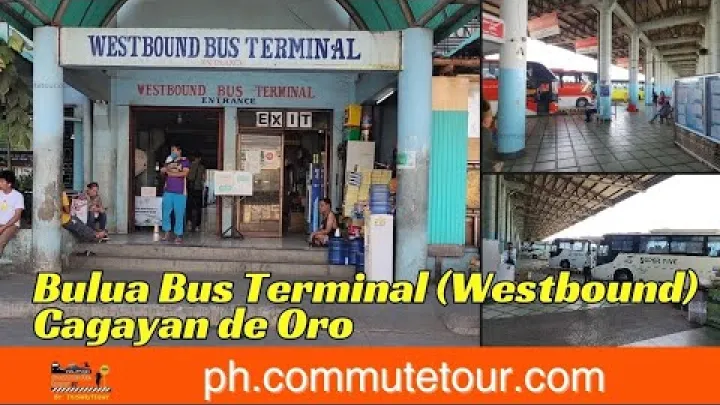
Cagayan de Oro has two important long-distance bus terminals: Agora Integrated Bus Terminal and Bulua Bus Terminal. Many travelers use Agora for eastern, southern, and interior routes, while Bulua is important for westbound routes. This directional pattern is useful for planning, but it should not be treated as a fixed rule for every service.
The risk is simple: if you go to the wrong terminal, you may miss your bus or pay extra for a transfer across the city. Before departure, confirm the terminal name, operator, destination sign, and whether your bus is direct or requires a transfer. This is especially important for first-time visitors and anyone traveling early in the morning or late in the evening.
When arriving in Cagayan de Oro by bus, also confirm the final stop. Some services may stop at a terminal, while others may pass through or stop at designated points. If you have a hotel, school, office, or meeting location, save the address offline and ask your accommodation which terminal is easier.
Routes from Iligan, Bukidnon, Butuan, Davao, and Zamboanga
Buses are usually the main practical way to reach Cagayan de Oro from many Mindanao cities and provinces. Common origins include Iligan City to the west, Bukidnon towns such as Malaybalay and Valencia to the south or interior, Butuan City to the northeast, Davao City farther south, and Zamboanga City on a longer western route.
Local transport guides such as 3D Universal describe regional and intercity bus routes involving Cagayan de Oro, including links with Iligan, Bukidnon, and Davao. Use such information as orientation, then confirm current departures at the terminal or with the operator because times, routes, and stopping patterns can change.
Shorter regional corridors may have more frequent services and more flexible departure choices. Longer routes such as Davao or Zamboanga require more planning, especially if you want an air-conditioned bus, a daytime departure, or a specific arrival window. Arrive early, read terminal signage carefully, and ask staff to confirm the final destination before you board.
Road Comfort, Timing, and Reliability
Overland travel time depends on road conditions, traffic, stops, checkpoints, weather, and bus type.
A route that looks simple on a map can take longer if there is congestion, road work, rain, or a long terminal stop. For important trips, do not schedule a tight connection immediately after a long bus arrival.
First-time visitors should choose daylight departures when possible, especially on unfamiliar longer routes. Daylight travel makes it easier to read signs, manage transfers, and identify your arrival point. It can also reduce stress if you need to find a taxi, rideshare, jeepney, or pickup after reaching Cagayan de Oro.
Carry water, snacks, a light jacket or layer for air-conditioned buses, a power bank, and small cash for station purchases or local transport after arrival. Keep your essential documents, phone, wallet, and valuables with you rather than in the luggage compartment.
Step-by-Step Route Plans from Common Starting Points
The following route plans are not fixed schedules. They are practical decision guides that show which transport mode usually makes sense from common starting points.
From Manila
The default recommendation from Manila is to fly to Laguindingan Airport, then take a road transfer into Cagayan de Oro. This is the most practical choice for most tourists, students, business travelers, and relocating professionals. It reduces total travel time and usually gives more departure choices than sea travel.
The direct ferry option from Manila is much slower and more schedule-dependent. Choose it only if you want a sea journey, have flexible dates, or are carrying baggage that makes flying less attractive. Confirm the sailing day, boarding port, accommodation class, and arrival time before planning onward transport.
Mixed bus-and-ferry routes from Luzon to Mindanao are possible for experienced travelers, but they are complex. They require coordinated schedules, multiple terminals, and tolerance for delays. For most international or first-time domestic travelers, flying is the safer planning base.
From Cebu
From Cebu, you usually compare two realistic choices: fly from Cebu to Laguindingan Airport or take a ferry to Macabalan Port. Flying is better when time matters, when you have a short stay, or when you want a predictable connection. Remember to include the transfer from Laguindingan Airport to Cagayan de Oro when comparing total travel time.
The ferry from Cebu can be attractive if you are already near Cebu City’s port area, want overnight-style travel, or have more luggage. It may also be useful if airfares are high for your travel date. However, ferry convenience depends on the sailing schedule, vessel assignment, sea conditions, and your tolerance for motion.
For a fair cost comparison, include taxi or rideshare to the airport or port, terminal time, checked baggage, meals, and any hotel night caused by an awkward departure or arrival. A cheap base fare is not always the cheapest total trip.
From Other Mindanao Cities
From Davao City, Iligan City, Bukidnon, Butuan City, Zamboanga City, and nearby regional centers, buses are usually the most practical public transport option. Private vehicles or hired vans can work for groups, families, or work teams, but they usually cost more than buses.

Before traveling, confirm whether the service is direct to Cagayan de Oro or requires a transfer. Also confirm whether it arrives at Agora Integrated Bus Terminal, Bulua Bus Terminal, or another designated stop. This matters if you are meeting someone, booking a pickup, or continuing to another destination.
For longer Mindanao routes, plan for comfort and flexibility. Choose a departure time that gives you enough daylight on arrival if possible. Save your accommodation address, terminal name, and contact numbers offline in case mobile data is weak or your battery runs low.
How to Choose the Right Transport Mode
The best way to get to Cagayan de Oro is not the same for every traveler. Your decision should reflect time, total cost, luggage, comfort, risk tolerance, and the importance of arriving on schedule.
If You Have Limited Time
Choose a flight if you are starting from Manila, Cebu, or another city with a practical connection to Laguindingan Airport. Flying usually gives the best chance of reaching Cagayan de Oro within the same day, especially for travelers coming from outside Mindanao.
Do not compare flight time alone against ferry or bus time. Add airport arrival time, check-in, security, boarding, baggage collection, and the road transfer into the city. If you have a meeting, tour, exam, wedding, or onward bus trip, add a buffer rather than scheduling back-to-back commitments.
If you must arrive at a specific hour, avoid the last possible connection of the day. A delayed flight, missed shuttle, or late ferry can turn a tight plan into an overnight problem.
If You Are Traveling on a Budget
The cheapest way to get to Cagayan de Oro changes by season, promotions, baggage needs, and how early you book. Low-cost flights can be excellent value, but checked baggage and airport transfers can raise the total price. Ferries may look economical, but meals, cabin class, and terminal transfers matter. Buses are often cost-effective from within Mindanao, but long routes can be tiring.
Use a total-cost checklist before choosing:
- Base fare for the flight, ferry, or bus
- Checked baggage or excess baggage fees
- Transport to and from the airport, port, or terminal
- Meals, water, and snacks during the journey
- Accommodation cost if the schedule forces an overnight wait
- Rebooking or cancellation rules if plans change
For budget travelers, the best option is often the one with the lowest total cost and the fewest expensive surprises, not simply the lowest advertised fare.
If You Prefer the Lowest-Stress Arrival
Choose a route with fewer transfers, clear terminal information, and a daytime arrival. For first-time visitors, a direct flight to Laguindingan Airport plus a pre-arranged shuttle, taxi, or accommodation pickup is often the easiest route. This is especially true for students, international travelers, and relocating professionals carrying luggage.
If you choose a ferry, select an arrival time that leaves enough daylight or early evening time for onward transport. Avoid arriving without a hotel booking if your ferry reaches Cagayan de Oro late. If you choose a bus, confirm the terminal and final stop before boarding so you can plan the last short ride to your accommodation.
Stress is not only about comfort. It is also about information. Save ticket screenshots, terminal names, hotel addresses, and contact numbers before the trip starts.
Practical Checks Before You Travel
Transport information can become outdated quickly. Before you pay or depart, make a final check of schedules, terminals, baggage rules, and local conditions.
Confirming Schedules with Official or Current Sources
Check airline, ferry operator, airport, port, or bus operator information before traveling. Aggregator sites are useful for comparing routes, but they should not replace current operator confirmation for critical trips. This is particularly important for ferries, long bus journeys, and late-day arrivals.
Confirm the exact terminal name, departure time, check-in or boarding window, baggage rules, cancellation policy, and rebooking conditions. For flights, check both the ticket and flight status on the day of travel. For ferries, check sailing status close to departure. For buses, confirm the terminal and destination sign before boarding.
If your route depends on a same-day connection, leave a generous buffer. In the Philippines, weather, traffic, port operations, and road conditions can all affect timing.
Arrival Safety and Common Transport Traps
At airports, ports, and bus terminals, keep valuables secure and use official counters or clearly identified transport services where possible. If you take informal transport, agree on the fare before the ride begins or confirm that the meter or app fare will be used. Avoid handing luggage to people who are not clearly connected to your operator or accommodation.
Travel advisories can provide useful context for the Philippines and parts of Mindanao. The U.S. Department of State advises travelers to exercise increased caution in the Philippines and notes that some areas have higher risks. Read such advisories carefully, but do not assume that every place in Mindanao has the same risk profile. Match broad advice with current local information and your specific route.
Common transport traps include unofficial ticket sellers, unrealistic online discounts, pressure to pay through private channels, and vague promises of “guaranteed” seats without a valid ticket. If something feels rushed or unclear, step back and verify through an official counter, operator website, or trusted local contact.
Backup Plans for Delays and Late Arrivals
Build backup time into your itinerary. Flights can be delayed, ferries can be affected by weather, buses can be slowed by road conditions, and city traffic can affect the last leg of the trip. A flexible plan is especially important if you are arriving for school enrollment, a job start date, a medical appointment, or an onward island trip.
Before departure, prepare a simple backup plan:
- Save offline copies of tickets, booking confirmations, and identification.
- Save your accommodation address in full, including barangay or district if available.
- Identify one backup hotel or late-check-in option.
- Keep emergency contact numbers and transport provider contacts offline.
- Carry enough cash for a taxi, snacks, water, and unexpected terminal expenses.
- Know whether your next bus, ferry, or pickup can be moved to the next day.
If you arrive late and feel tired or uncertain, it may be better to stay overnight in Cagayan de Oro and continue in daylight. This is often safer and less stressful than trying to force an unfamiliar transfer after a delayed journey.
Frequently Asked Questions
What is the easiest way to get to Cagayan de Oro from Manila?
The easiest way is usually to fly from Manila to Laguindingan Airport, then take a road transfer into Cagayan de Oro. A ferry from Manila is possible for flexible travelers, but it is much slower and more schedule-dependent.
Is it better to fly or take a ferry from Cebu to Cagayan de Oro?
Fly if you want the fastest and most predictable trip. Take a ferry if you are already near Cebu’s port area, have flexible time, prefer sea travel, or need a baggage-friendly option. Compare total cost, not only the ticket price.
Which airport do I use for Cagayan de Oro?
Use Laguindingan Airport, airport code CGY. It serves Cagayan de Oro and the wider Northern Mindanao area, but it is outside the city center, so you need a road transfer after arrival.
Which bus terminal should I use in Cagayan de Oro?
Cagayan de Oro’s main long-distance bus terminals are Agora Integrated Bus Terminal and Bulua Bus Terminal. Agora is commonly linked with eastern, southern, and interior routes, while Bulua is important for westbound routes. Always confirm the correct terminal with the operator before travel.
How should I check if a ferry or bus schedule is current?
Check the operator’s current information, official counters, or recent terminal guidance before you travel. Aggregator sites are useful for planning, but final details such as sailing status, boarding time, terminal name, and cancellation rules should be confirmed with the operator.
Conclusion: Plan the Route Before You Book
Getting to Cagayan de Oro is straightforward when you choose the right gateway for your starting point. Fly to Laguindingan Airport when speed and simplicity matter, use Macabalan Port when a ferry fits your schedule, and take buses through Agora or Bulua when traveling overland from Mindanao cities.
Before booking, compare the total journey rather than one fare or one travel-time estimate. Confirm current schedules, terminal names, baggage rules, and late-arrival options. With a clear route plan and a small buffer for delays, Cagayan de Oro is a practical and well-connected arrival point for Northern Mindanao.
Select area
Create a post
Posting is free and no registration is required.