Makati Getting There: NAIA, Buses, Ferries & Routes
This Makati getting there guide explains the practical ways to reach the city from airports, bus terminals, ports, and nearby Metro Manila transport nodes. Makati is a major business and accommodation base, but the best route depends on your arrival point, luggage, time of day, budget, and exact destination. This guide focuses on central Makati areas such as Ayala Center, One Ayala, Legazpi Village, Salcedo Village, Buendia, and Guadalupe. Use it to compare direct car transfers, airport buses, MRT-3, EDSA Busway, provincial buses, ferries, and last-mile options.
Quick Answer: The Best Ways to Get to Makati
For most visitors, the easiest route into Makati is to arrive at Ninoy Aquino International Airport and continue by taxi, ride-hailing, airport bus when operating, or a public transport combination through the EDSA corridor. Travelers coming from provinces or nearby islands may reach Makati through Pasay, Buendia, PITX, Cubao, Manila ports, or Batangas Port, then complete the final leg by city transport.
Best choice for most travelers: NAIA to central Makati
Ninoy Aquino International Airport is usually the most practical airport for Makati because it is already within Metro Manila and has several onward transport choices. It is generally the best arrival point if your destination is around Ayala Center, One Ayala, Ayala Avenue, Legazpi Village, Salcedo Village, Poblacion, or nearby business districts.
The simplest choice is a direct taxi, ride-hailing car, or hotel transfer. This is usually best for luggage, late arrivals, families, and first-time visitors. Airport buses can be a useful middle option when the relevant route is operating, especially if One Ayala is convenient for your final address. Budget public transport can work for light travelers, but it normally requires transfers, walking, and comfort with crowded stations.
Travel time in Metro Manila can change sharply by hour, weather, road incidents, and special events. Avoid planning a tight appointment immediately after landing, especially if you arrive during the morning or evening commute.
| Option | Best for | Cost level | Luggage | Late-night use |
|---|---|---|---|---|
| Taxi or ride-hailing | Convenience and direct hotel arrival | Higher | Good | Often practical |
| Airport bus | One Ayala or nearby central Makati | Medium | Moderate to good | Schedule-dependent |
| MRT-3 or EDSA Busway | Budget travelers with light bags | Lower | Difficult at peak times | Limited |
| Pre-arranged hotel car | Business trips and late arrivals | Higher | Good | Good if confirmed |
Cheapest practical routes into Ayala
The cheapest practical ways to reach Ayala or central Makati usually combine public transport modes rather than using a direct car. Common building blocks include local transport from the airport area to the EDSA-Taft corridor, MRT-3 toward Ayala or Guadalupe, EDSA Busway stops such as Ayala, Buendia, or Guadalupe, jeepneys, and airport buses when available.
These routes are best for travelers with light luggage, flexible timing, and some experience using busy urban transport. They can be less comfortable after a long flight, during heavy rain, or during crowded commute periods. Payment methods and fare collection can vary by mode, so carry small Philippine peso bills or coins and check whether a card, ticket, app, or cash is used for the service you plan to take.
When to choose Clark or provincial gateways
Clark International Airport can work for Makati, but it usually requires a longer multi-leg ground journey from Pampanga into Metro Manila and then onward to your Makati address. It may be attractive for cheaper flights, better flight times, or trips that also include northern Luzon, but it is not usually as convenient as NAIA for a Makati-only trip.
Provincial bus terminals can also function as Makati gateways. Depending on your origin and operator, you may arrive in Pasay, Cubao, PITX, Buendia, or One Ayala. Ferry passengers may arrive through Manila North Harbor or continue from Batangas Port by bus toward Metro Manila. In all cases, check the current schedule, exact terminal, and final drop-off point close to your travel date.
Main Arrival Points in Makati
Choosing the right Makati endpoint matters. “Makati” can mean a hotel beside Ayala Center, an office tower on Ayala Avenue, an apartment in Poblacion, an embassy visit near Buendia, or a destination closer to Guadalupe. Set your navigation app to the exact hotel entrance, mall entrance, building lobby, or terminal address instead of using only the city name.
Ayala Center, One Ayala, and MRT-3 Ayala
Ayala Center and One Ayala are practical central targets for many Makati visitors. They sit near major malls, offices, hotels, transport links, and pedestrian connections. MRT-3 Ayala Station is one of the most useful rail arrival points for the Makati business and shopping core.
However, arriving at Ayala does not mean every Makati destination is within an easy walk. Legazpi Village, Salcedo Village, parts of Poblacion, and offices along Ayala Avenue may still require a short walk, taxi, ride-hailing trip, or local vehicle transfer. If you have luggage, mobility limitations, or an appointment in a specific tower, enter the exact building entrance in your app.
Buendia, Guadalupe, and EDSA Busway stops
Buendia, Ayala, and Guadalupe are important access points along the EDSA corridor. MRT-3 and EDSA Busway can help avoid some mixed-traffic delays because they use defined rail or bus corridors, but stations and stops can still be crowded and queues can form.

Route maps for EDSA Bus list Makati stops such as Ayala, Buendia, and Guadalupe, but travelers should still check current local notices for stop access, route adjustments, and operating conditions. Busway stops may require footbridges, stairs, long walks, or transfers before you reach your final destination. This matters if you have heavy bags, small children, or limited mobility.
Pasay terminals that function as Makati gateways
Some useful terminals are technically in Pasay but close enough to serve Makati-bound travelers. The Victory Liner Pasay area, terminals around Buendia or Gil Puyat Avenue, and the EDSA-Taft area can be practical depending on your destination and the operator you use.
Do not assume every Pasay terminal is equally close to central Makati. Terminal names can be confusing because operators may refer to a city, road, district, or nearby landmark. Before booking an intercity bus, compare the exact terminal address with your hotel or office address. From Pasay, the final leg to Makati is commonly by taxi, ride-hailing, MRT-3, EDSA Busway, jeepney, or another local route.
Getting to Makati from NAIA
NAIA is the main airport gateway for Makati-bound travelers. The airport has multiple terminals, and your best onward route can change depending on which terminal you arrive at, how much luggage you carry, and whether you land during daytime, rush hour, or late at night.
Taxi and ride-hailing from NAIA
Taxis, ride-hailing cars, and pre-arranged hotel cars are the simplest options from NAIA to Makati. They are especially useful with luggage, after a late flight, for families, or when you need to reach a hotel, serviced apartment, embassy, or office tower directly.
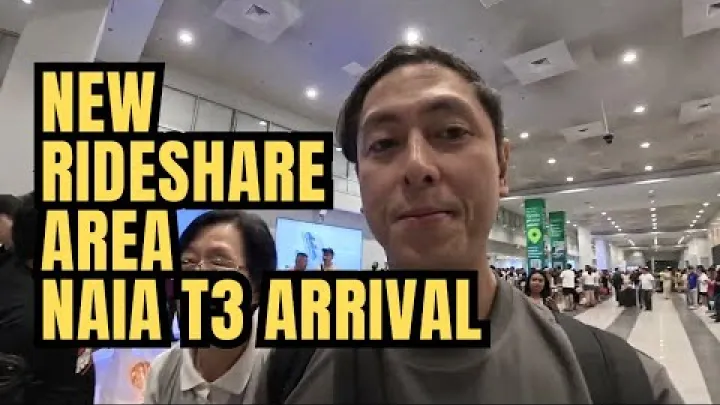
App-based services may provide upfront fare visibility and vehicle details where supported; Grab provides airport ride information for NAIA. Pickup zones vary by terminal, so follow airport signs and the instructions in your app. If you use a regular taxi, use official airport taxi queues and make sure the payment method or fare basis is clear before leaving.
A direct car is not always the cheapest option, but it reduces transfers and walking. Avoid unsolicited ride offers from people approaching you inside or outside the terminal, especially if the price is unclear or the vehicle details are not verifiable.
Airport bus to One Ayala
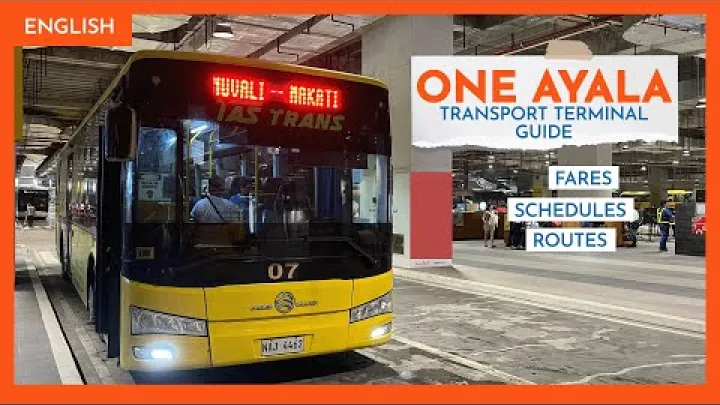
An airport bus can be a useful middle option when the route you need is operating. It is usually simpler than combining several public transport modes and often cheaper than a private car. For Makati-bound travelers, One Ayala is the most relevant central arrival target when an airport bus route serves it.

Before relying on this option, confirm the terminal, boarding bay, schedule, ticketing process, and service status for your travel date. UBE Express provides airport bus ticketing information, but routes and departures can change. If the next departure is too late, switch to a taxi, ride-hailing car, or another confirmed route.
After arriving at One Ayala, check your final distance. Some hotels and offices near Ayala Center are walkable for light travelers, but others require MRT-3, a local vehicle, taxi, or ride-hailing trip.
Budget public transport via Taft, MRT-3, or EDSA Busway
A budget route from the airport area usually moves first toward the EDSA-Taft corridor, then continues toward Makati using MRT-3 or EDSA Busway. From that corridor, common Makati targets include Ayala, Buendia, and Guadalupe, depending on the final address.
This can be cost-effective, but it requires transfers, walking, and comfort with busy stations. It is less ideal with heavy luggage, during heavy rain, or for first-time arrivals late at night. Local boarding points and routes can change, so confirm the current path before you leave the terminal area.
If you choose this route, keep your bags compact, avoid blocking station stairways or bus queues, and allow extra time. For many visitors, the savings are worthwhile only when traveling light and during normal operating hours.
Late-night arrivals and common airport pitfalls
Late-night public transport choices are more limited. Taxis, ride-hailing, hotel transfers, or pre-arranged cars are usually more practical if you land after normal bus or rail operating hours. This is especially true if your hotel check-in is in a quieter side street or if you are unfamiliar with Metro Manila.
Prepare mobile data, a charged phone, local currency or app payment, your accommodation address, and a backup transport option before leaving the arrivals area. Use official queues, verified app bookings, or confirmed hotel drivers. Be cautious with unsolicited transport offers, unclear fixed prices, or drivers who will not follow the agreed payment terms.
Getting to Makati from Clark International Airport
Clark International Airport is north of Metro Manila in Pampanga. It can be a useful airport for some itineraries, but getting from Clark to Makati usually involves an intercity leg plus a final Metro Manila transfer.
P2P buses and airport-area connections
For many public-transport travelers, point-to-point buses to Metro Manila nodes are the main practical link from Clark when operating. Clark-area circulation options may also help passengers move between the airport and nearby transport points. The airport’s own transport guide from Clark International Airport is a useful starting point for current access planning.
Do not assume there is always a direct Clark-to-Makati route. Verify the endpoint, departure time, ticketing method, luggage rules, and whether the service matches your flight arrival time. Also include transfer planning time, not only the bus travel time.
Transferring from Metro Manila nodes to Makati
Your second leg depends on where the Clark bus terminates. If the bus ends near an MRT-3 or EDSA Busway connection, you may be able to continue toward Ayala, Buendia, or Guadalupe. If it ends at a terminal that is not convenient for rail or busway access, a taxi or ride-hailing car may be simpler.
Before buying a Clark bus ticket, map the final leg to your Makati address. Choose the endpoint that gives the easiest onward route, not only the cheapest ticket. This is particularly important if you arrive at night, have large luggage, or need to reach a hotel check-in desk quickly.
When Clark is worth the extra ground travel
Clark may be worth considering if the flight is much cheaper, the schedule is better, or your trip also includes northern Luzon destinations such as Pampanga, Tarlac, Subic, or Baguio. It can also be attractive if you prefer the airport experience or if your airline choices are better there.
For a Makati-only trip, Clark is usually less convenient than NAIA. Consider the hidden costs: bus fare, waiting time, transfers, possible ride-hailing for the final leg, and fatigue after a flight. If you use Clark for Makati, arrive with a flexible schedule and avoid tight same-day appointments.
Getting to Makati by Provincial Bus
Provincial buses are important for travelers coming from Luzon destinations outside Metro Manila. The best arrival terminal depends on your origin, operator, route, and final Makati address. Always confirm the terminal address before booking because terminal assignments and route patterns can change.
Northern Luzon routes and Pasay or Cubao arrivals
Travelers from northern Luzon may arrive at Metro Manila terminals such as Pasay or Cubao, depending on the operator and route. For many Makati destinations, Pasay can be more convenient than Cubao because it is closer to the EDSA-Taft and Ayala corridor. However, the exact difference depends on road traffic and your final address.
From Pasay, you may continue by taxi, ride-hailing, MRT-3, EDSA Busway, or local public transport. From Cubao, MRT-3 can be useful for reaching Ayala or Guadalupe, but it may be crowded during commute hours. If you have luggage, compare the cost of a direct ride-hailing trip with the effort of transferring through stations.
Southern Luzon routes, Buendia, PITX, and One Ayala
Travelers from southern Luzon may enter Metro Manila through Buendia, PITX, Pasay, or Makati-area hubs where routes exist. Buendia and Gil Puyat Avenue are familiar names for many bus passengers, while PITX is useful for some south and southwest corridors. One Ayala can save a transfer when a provincial or P2P route serves it directly.
For routes from places such as Batangas, Lipa, Lucena, Quezon, or nearby provinces, confirm current route approvals, gate assignments, departure times, and terminal endpoints with the operator or terminal. Do not rely on old social media posts as permanent schedules. A direct-to-Makati route can be very helpful, but only if it is active on your travel date.
Booking, fares, and timing buffers
Provincial bus travel times can vary because of traffic, stops, holidays, weather, and road conditions. Long weekends, school breaks, Holy Week, Christmas season, and major events can add queues and reduce seat availability. Build buffer time before business meetings, medical appointments, hotel check-in deadlines, or onward flights.
Online booking availability depends on the operator and route. Some tickets may be sold online, at terminals, or on board, depending on the service. Before departure, verify the terminal address, bus class, luggage policy, arrival point, fare or payment method, and last-mile route to Makati.
Getting to Makati from Ports and Ferries
Some domestic travelers reach Metro Manila by ferry and then continue to Makati by road or urban transport. Ports can be busy and confusing, so the exact pier, luggage volume, and arrival time strongly affect the best onward route.
Manila port arrivals to Makati
Domestic ferry passengers arriving in Manila still need a city transfer to reach Makati. Manila North Harbor is a relevant anchor for many ferry arrivals, but the exact pier matters. Set both the pier and your Makati destination in a navigation app before choosing a route.
Broad options include taxi, ride-hailing, city bus connections, or public transport combinations. With heavy luggage or a late arrival, a direct car is usually simpler. Port areas can be confusing for first-time visitors, so avoid informal offers if the price, vehicle, or route is not clear.
Batangas Port to Makati via provincial bus
Batangas Port is mainly relevant for domestic inter-island travel, especially for passengers moving between islands and Metro Manila. After arriving by ferry, many travelers continue by provincial bus toward Metro Manila, then transfer to Makati from the arrival terminal.
Likely Metro Manila arrival areas can include Buendia, Pasay, or other operator terminals, but the correct endpoint depends on the current operator route. Confirm your ferry arrival time, the bus departure schedule, the terminal endpoint, and the last-mile route before travel. Add a buffer between ferry arrival and bus departure because disembarkation, luggage, ticketing, and road conditions can take longer than expected.
Pasig River Ferry as an urban alternative
The Pasig River Ferry can be a supplementary urban option for some trips between Manila, Mandaluyong, Pasig, and Guadalupe in Makati. It is not usually the main choice for airport transfers or long-distance arrivals, but it may help flexible travelers who are already near a ferry station.
Guadalupe is the relevant Makati river access point, with possible onward road or rail connections depending on your destination. Before relying on the ferry, check current operating days, hours, station access, and service status. Avoid using it for time-critical airport or appointment transfers unless you have confirmed the schedule and have a backup route.
Last-Mile Routes, Safety, and Schedule Checks
The last mile is often the part that decides whether a route feels easy or stressful. Arriving at Ayala, Buendia, Guadalupe, PITX, Pasay, or a port still leaves the final move to your hotel, office, condo, embassy, or meeting place.
Walking, taxis, ride-hailing, and local public transport
Walking is practical in some central Makati areas, especially around Ayala Center and parts of Legazpi Village, but it is not equally comfortable everywhere. Salcedo Village, Poblacion, Guadalupe, and Buendia may require different last-mile choices depending on distance, weather, sidewalk conditions, and your luggage.
For short local movements, options can include taxi, ride-hailing, jeepney, UV Express, MRT-3, or walking. Ride-hailing or taxi is usually best for luggage, mobility needs, late-night arrivals, or exact building entrances. Public transport can be cheaper, but it may involve waiting, walking, or asking locally about the correct boarding point.
When using an app, enter the exact entrance, tower, hotel lobby, or mall drop-off point. Many large Makati buildings have multiple entrances, and the wrong side of a complex can add a long walk.
Avoiding common airport and terminal problems
Use official airport taxi queues, verified app bookings, staffed ticket counters, and clearly marked bus bays. Keep booking screenshots, vehicle details, plate numbers, and ticket information until your trip is complete. If a driver or broker offers a ride with unclear pricing, ask for the terms before entering the vehicle or choose another option.
In crowded stations, terminals, footbridges, and bus queues, keep valuables secure and bags close to your body. This is practical city-travel advice rather than a reason to avoid public transport. Stay aware during transfers, especially when carrying passports, laptops, or large luggage.
What to confirm before departure
Before leaving for Makati, confirm route status, current schedule, boarding location, terminal address, fare or payment method, luggage policy, and the last-mile connection. Metro Manila transport routes and airport bus operations can change because of traffic management, construction, operator decisions, weather, holidays, or special events.
Use current airport, operator, terminal, or government channels where available. Operator announcements, including social media updates from services such as UBE Express, may explain temporary route adjustments or suspensions, so check close to your travel date rather than relying only on older posts.
- Confirm your exact arrival terminal, pier, station, or bus terminal.
- Check whether your intended route is operating on your travel date.
- Verify the boarding bay, gate, or pickup zone.
- Prepare the accepted payment method and small cash if needed.
- Check luggage rules for buses and shared transport.
- Map the final leg to your exact Makati building entrance.
- Keep a backup route for late-night arrivals or urgent appointments.
Frequently Asked Questions
Which airport is best for getting to Makati?
NAIA is usually the best airport for Makati because it is within Metro Manila and offers the most direct onward options. Clark can work, but it normally requires a longer intercity transfer plus a final Makati leg.
What is the easiest way to get from NAIA to Makati with luggage?
A taxi, ride-hailing car, hotel transfer, or pre-arranged car is usually easiest with luggage. Use official queues or verified app bookings and enter the exact hotel or building entrance.
What is the cheapest practical way to reach Makati from the airport?
The cheapest practical route usually combines local transport toward EDSA-Taft with MRT-3 or EDSA Busway toward Ayala, Buendia, or Guadalupe. It is best for light luggage and daytime travel.
Can I get to Makati late at night by public transport?
Late-night public transport is more limited. For late arrivals, a taxi, ride-hailing car, hotel transfer, or pre-arranged car is usually more practical and easier to manage.
Is Clark International Airport practical if I am staying in Makati?
Clark is practical when the flight price or schedule is significantly better, or when your trip also includes northern Luzon. For a Makati-only stay, NAIA is usually more convenient.
Final Tips for Choosing Your Makati Route
The best route to Makati is the one that matches your arrival point, time of day, luggage, budget, and exact destination. Choose NAIA and a direct car for the simplest airport arrival, consider an airport bus when One Ayala service is active, use MRT-3 or EDSA Busway for budget travel with light bags, and treat Clark or ferry routes as schedule-dependent multi-leg journeys.
Before you travel, confirm current schedules, terminal addresses, boarding points, fares, and last-mile access. Build extra time into your plan, especially during rush hour, holidays, rain, or late-night arrivals. With a clear endpoint and a backup option, getting to Makati becomes much easier to manage.
Select area
Create a post
Posting is free and no registration is required.