Ormoc Budget: Daily Travel Costs, Prices, and Tips

An Ormoc budget is usually easier to manage than a budget for a major resort destination, but daily costs still depend strongly on where you sleep, how you move around, and how many day trips you add. Ormoc is a working regional city on Leyte Island, so many prices reflect local everyday spending rather than luxury tourism pricing. This guide explains practical daily travel costs for budget, mid-range, and comfortable visitors, with separate notes for accommodation, food, transport, activities, and seasonal price changes. Use the figures as planning ranges, then recheck current rates before you book or travel.
Quick Answer: How Much to Budget for Ormoc
For most visitors, Ormoc is a moderate-cost base in Eastern Visayas. The city can suit careful backpackers, practical mid-range travelers, and visitors who want more comfort without paying full resort prices.
Daily Budget Ranges for Different Travel Styles
For a solo traveler already in Ormoc, a realistic daily travel budget starts at about USD 25 to 35 for a strict budget trip, USD 40 to 70 for a mid-range trip, and USD 70 to 110 for a more comfortable stay. These ranges cover ordinary on-the-ground spending. They do not include international flights, long inter-island transfers, travel insurance, major shopping, or emergency costs.
Peso equivalents change with the exchange rate. As a rough planning guide, the table below uses an approximate working range of PHP 55 to 60 for USD 1. Treat the peso figures as rounded estimates, not exact conversion rates.
| Travel style | Daily total | Lodging | Food | Local transport and activities |
|---|---|---|---|---|
| Strict budget | USD 25 to 35, about PHP 1,400 to 2,100 | Basic private room or low-cost inn | Mostly local meals | Walking, short rides, free or low-cost activities |
| Mid-range | USD 40 to 70, about PHP 2,200 to 4,200 | Better-reviewed inn or hotel | Local meals plus casual restaurants | Several rides and one modest paid activity |
| Comfortable | USD 70 to 110, about PHP 4,000 to 6,600 | Stronger local hotel choice | More restaurant meals and drinks | More private transport or easier day-trip planning |
Couples and groups often spend less per person on lodging because they can share a room. The same is true for private transport to places such as Lake Danao National Park if the vehicle cost is divided among several people.
What the Ormoc Budget Includes
This guide focuses on travel costs, not the city government budget or business budgeting. The main categories are accommodation, food, short local transport, regional vans or buses, ferry or long-distance transfers, activities, cash fees, and small daily purchases such as water, laundry, phone load, snacks, and toiletries.
The estimates assume a visitor who sleeps in paid accommodation, eats a mix of simple and practical meals, uses local transport when needed, and adds occasional activities. Ormoc city center, Ormoc Port Terminal, and the Ormoc bus terminal are important anchors because staying close to them can reduce short-ride costs and make early departures easier.
Some local prices are not consistently documented online. For that reason, use the ranges in this article as a planning framework. Before travel, recheck hotel rates, ferry schedules, current transport fares, and any attraction fees that matter to your itinerary.
Currency, Cash, and Payment Planning
Ormoc travel costs are paid in Philippine pesos. USD figures are useful for international planning, but exchange rates, ATM fees, card conversion fees, and bank margins can change the final amount. For exchange-rate context, services such as OFX show that USD to PHP rates move over time, so conversions should always be treated as approximate.
At a working estimate of about PHP 55 to 60 per USD 1, PHP 100 is roughly USD 1.70 to 1.80, PHP 500 is roughly USD 8.50 to 9, and PHP 1,000 is roughly USD 17 to 18. If the exchange rate moves, your real cost in your home currency will also move.
Carry cash, especially small bills. Small eateries, markets, tricycles, jeepneys, parking areas, and some local attractions may expect cash. Cards are more likely to be useful at hotels and larger businesses, but do not assume every venue accepts cards or that every card terminal is working. Keeping small notes helps avoid delays when paying for short rides or low-cost meals.
Accommodation Costs in Ormoc
Accommodation is usually the largest part of an Ormoc travel budget. The city has low-cost rooms, practical mid-range properties, and a limited number of stronger local hotel options, but room quality and location can vary noticeably.
Hotel Price Bands and What You Get
Current booking platforms show Ormoc rooms beginning at low nightly rates, with Booking.com listing Ormoc hotels from around USD 20 in its search results. Other platforms may show basic rooms from slightly lower amounts on certain dates. In practical terms, very basic rooms may appear around USD 10 to 20, many usable mid-range choices often fall around USD 20 to 35, and stronger local options may sit around USD 35 to 70 or more depending on date and inventory.

| Nightly budget | Likely property type | Possible inclusions | Main trade-offs |
|---|---|---|---|
| USD 10 to 20 | Basic private room or simple inn | Fan or air conditioning, private or basic bathroom | More variation in cleanliness, noise, Wi-Fi, and location |
| USD 20 to 35 | Practical inn or city hotel | Air conditioning, private bathroom, Wi-Fi, possibly breakfast or parking | Quality still depends on the property and recent reviews |
| USD 35 to 70+ | Better local hotel option | Better room comfort, stronger location, more services, possibly breakfast | Higher cost, limited inventory on busy dates |
Do not choose only by the lowest price. Check recent reviews for cleanliness, noise, air-conditioning reliability, water pressure, bathroom condition, and Wi-Fi quality. These details matter in Ormoc because heat, humidity, rain, and early travel schedules can make a weak room feel much less convenient than the savings suggest.
Best Areas for Value and Convenience
The best-value location depends on your schedule. A hotel near Ormoc city center can make meals, shops, banks, and short errands easier. A stay near Ormoc Port Terminal can be useful if you have an early ferry or arrive late by sea. A room near the bus terminal may help if your priority is land transport around Leyte or Eastern Visayas.
Cheaper rooms farther from the most convenient areas can still work because many local trips are short. However, add the cost and time of extra tricycle, jeepney, taxi, or motorbike rides. A hotel that is USD 5 cheaper but requires several extra rides each day may not save much money.
Location also reduces schedule risk. If you need to catch a ferry, van, or bus, staying closer to the departure point can be worth more than a small room discount. This is especially true when traveling with luggage, during rain, or before sunrise.
Booking Timing, Seasonality, and Price Outliers
Ormoc hotel rates can change by month, weekday, holiday period, and remaining room inventory. Platforms sometimes show very low average months and very high outliers. For example, KAYAK has displayed Ormoc hotel data with low May averages and a very high February figure. Treat extreme figures carefully because they may reflect limited inventory, unusual listings, events, or data quirks rather than normal nightly prices.
For fixed-date trips, compare several booking platforms and check direct hotel rates when possible. Look beyond the headline price. Taxes, breakfast, parking, cancellation rules, and payment terms can change the real value.
National peak periods such as Christmas, New Year, Holy Week, long weekends, and popular domestic travel dates can reduce availability or raise prices. Ormoc may not swing as sharply as famous resort areas, but limited room inventory can still matter.
When to Upgrade Your Room
In Ormoc, the jump from the cheapest room to a more comfortable room can be one of the best-value upgrades. Spending a little more may bring stronger air conditioning, a quieter location, better bedding, more reliable Wi-Fi, cleaner bathrooms, or included breakfast.
This matters most for longer stays, remote work, rainy-day downtime, and travelers who need good sleep before early transport. A cheap room can be acceptable for one night, but a weak room becomes more expensive in practice if it causes poor rest, extra transport, or the need to move hotels.
Upgrade when the improvement clearly solves a problem: central location, reliable air conditioning, better reviews, breakfast included, or fewer transport costs. Do not upgrade only for a vague promise of luxury. Ormoc is better approached as a value destination than a luxury hotel destination.
Food, Drinks, and Everyday Spending
Food spending in Ormoc is flexible. A traveler who eats in local eateries can keep the budget low, while coffee shops, casual restaurants, imported items, seafood meals, and regular drinks can move the daily total upward.
Local Eateries and Street Food

A careful traveler can often keep meals low-cost by eating where local residents eat and choosing simple dishes rather than restaurant-style meals.
As a planning estimate, a simple local meal may be far cheaper than a formal restaurant meal, but current prices depend on the stall, portion size, ingredients, and whether rice, soup, drinks, or sides are included. Always look at the displayed price or ask before ordering if the price is unclear.
Carry small bills for food stalls and simple eateries. If you are unfamiliar with local eateries, start with busy places where food turns over quickly, and choose meals that look fresh and well handled. The cheapest option is not always the best option for comfort, hygiene, or dietary needs.
Casual Restaurants and Mid-Range Meals
Casual restaurants sit between carinderias and more polished dining. They are useful when you want air conditioning, a wider menu, table service, coffee, dessert, or a slower meal after travel. They also raise the daily food budget.
| Food pattern | Daily planning estimate | Best for | Cost driver |
|---|---|---|---|
| Mostly local meals | Low | Strict budget travelers | Rice meals, simple drinks, few extras |
| Mixed local and casual | Moderate | Most visitors | One restaurant meal, snacks, bottled drinks |
| Mostly restaurants | Higher | Comfort-focused travelers | Coffee, desserts, Western-style dishes, multiple drinks |
Menus change quickly, so avoid building your budget around one exact restaurant price. Drinks, service style, shared dishes, and portion size can change the final bill. A practical mid-range pattern is to eat one simple local meal, one casual restaurant meal, and one light meal or snack each day.
Groceries, Water, and Small Purchases
Groceries can reduce costs, especially for longer stays or hotels without breakfast. You do not need a kitchen to save money. Fruit, bread, instant coffee, snacks, and larger bottles of water can reduce the number of restaurant visits and convenience purchases.
Small purchases add up over several days. Coffee, bottled drinks, toiletries, laundry, phone load, snacks, and rain supplies can quietly increase spending. If your hotel includes breakfast, a kettle, drinking water, or a small refrigerator, those details can reduce everyday costs.
Partial self-catering works best as a supplement, not a strict rule. Use groceries for breakfast or snacks, then spend on local meals and one or two better meals that improve the trip.
How to Spend More or Less on Food
The biggest food-budget levers are venue type, drinks, coffee, seafood or specialty meals, and how often you choose imported or Western-style items. Local meals and shared dishes keep costs down. Restaurant meals, desserts, and multiple drinks move the budget up.
A balanced pattern works well in Ormoc: keep breakfast simple, eat one local lunch, then choose a more comfortable dinner when you want variety. This gives you both value and comfort without turning the city into an expensive destination.
If you want to save, reduce paid drinks first. Water, coffee, soft drinks, and extra snacks often add more to the bill than expected. If you want to spend more, reserve it for a meal that feels memorable rather than upgrading every meal by habit.
Transport Costs Around Ormoc and Eastern Visayas
Transport can be a small daily expense inside the city or a major trip cost when you add regional transfers, ferries, private hires, or nature day trips. Separate local mobility from long-distance movement when planning your budget.
Short Rides Inside Ormoc
Short rides are usually a small part of the daily budget, but the price can vary by distance, time of day, luggage, weather, and whether the ride is shared or private.
For non-metered rides, confirm the fare before starting. This is especially important when carrying luggage, leaving the port, traveling late, or going somewhere outside the most familiar city-center route.
Staying near Ormoc Port Terminal, the bus terminal, or your main activity area can reduce daily transport spending. It can also reduce stress when rain or traffic makes short trips slower than expected.
Regional Vans, Buses, and Terminal Extras
Ormoc works as a regional transport point for trips around Leyte Island and Eastern Visayas. Vans and buses can be cost-effective for travelers moving between towns, visiting nearby areas, or connecting to other transport hubs.
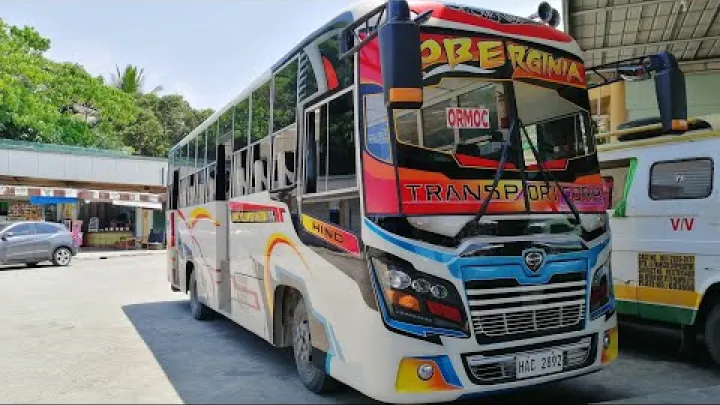
As one regional cost reference, Rome2rio lists a minivan option from Ormoc to another Eastern Visayas destination at about PHP 200 to 430, depending on route and conditions. Treat this as a planning range, not a guaranteed current fare.
Separate passenger fares from other charges. Some terminals or services may have small facility fees, luggage charges, or operator rules, but these should be checked locally. Before traveling, confirm the current fare, departure point, schedule, and whether cash is required.
Ferries and Long-Distance Transfers
Ferries and long-distance transfers can shape the total trip budget more than daily spending inside Ormoc. Ormoc Port Terminal is a key local anchor for sea connections, especially for travelers linking Ormoc with Cebu or other routes.
Do not fold major ferry tickets or flights into your ordinary daily budget. Budget for them separately, just as you would budget separately for an international flight. Seat class, vessel speed, baggage, booking channel, holiday demand, and schedule flexibility can all affect the final price.
Check ferry operators or booking platforms close to your travel date. Schedules and fares can change, and weather or operational issues can affect plans. Keep a contingency amount for rebooking, extra meals, or an additional night if a connection changes.
Choosing Public Transport, Private Hires, or Tours
Public or shared transport is usually cheaper, but private transport can be better value when time, comfort, luggage, weather, or group size matters. This is especially true for nature sites where the entry fee may be modest but the transport cost determines the real price of the day.
Lake Danao National Park is a useful example. A solo traveler using independent transport may spend less but must manage timing and transfers. A couple or group may find a private hire more convenient because the vehicle cost is shared. A tour may cost more but can reduce uncertainty if it includes pickup, waiting time, parking, and guidance.
Choose based on four factors: price, time, comfort, and reliability. If you have only one day, bad weather, or a tight ferry connection later, the cheapest transport may not be the best choice.
Activities, Attractions, and Day Trip Costs
Ormoc can be inexpensive for simple city time, but day trips add transport decisions. For many visitors, activity costs are less about entrance fees and more about reaching the site comfortably.
Lake Danao National Park Costs
Lake Danao National Park is one of the main nature attractions associated with Ormoc and a key example for budget planning. Available visitor reports often describe modest entry fees, but fees, rentals, parking, cottages, and services can change, so verify current costs before visiting.
The real cost of a Lake Danao day can come from transport, food, boat or activity rentals, parking, and waiting time. Independent visitors may spend less if they manage transport well. Travelers who hire a vehicle or join a tour will spend more but may save time and reduce uncertainty.
Bring cash, water, and snacks if appropriate for your plan. Do not assume card payment is available for every small fee or local service. If weather is poor, consider whether the transport cost is still worth it for the day.
Free and Low-Cost Things to Do in the City
A low-cost day in Ormoc can include city-center walks, waterfront areas, parks, memorials, local markets, and simple food exploration. These activities help keep the activity line of your budget very low.
Small costs may still apply. You may pay for snacks, bottled drinks, short rides, parking, donations, or a casual café stop. Pairing a city walk with a local meal is one of the easiest ways to keep spending moderate while still experiencing everyday Ormoc.
Do not assume every park, memorial, or public area is always free or always open. Check current access if a specific place is important to your day.
Day Trips to Nature Sites Around Leyte
Nearby nature sites around Ormoc and rural Leyte towns can be low-cost once reached. Lakes, waterfalls, parks, and countryside stops may have modest fees or none at all, but access can be the real budget variable.
Road conditions, weather, transport availability, guide needs, and return timing can affect both cost and comfort. A place that looks cheap on paper may require a private hire, a longer transfer, or extra waiting time.
Before leaving, verify access, current fees, road conditions, and return transport. Keep these trips optional in your budget. If a day trip becomes expensive because of weather or transport, a relaxed day in Ormoc city center can still be a good lower-cost alternative.
When Organized Tours Make Sense
Organized tours usually cost more than independent visits, but they can be worthwhile when they save time, simplify logistics, or reduce uncertainty. This is most useful for travelers with limited time, limited local transport confidence, or several people sharing the cost.
Compare what is included before judging the price. Check whether the tour includes transport, guide, entry fees, meals, parking, waiting time, pickup point, and return timing. Ask what costs must be paid in cash on the day.
Also confirm cancellation terms, weather policies, and whether the itinerary is private or shared. A cheaper tour may not be better if it excludes important costs or uses a pickup point that requires extra transport.
How Ormoc Compares Across Eastern Visayas
Choosing the right base can change your total trip cost. Ormoc is not always the cheapest possible place in Leyte, but it offers a practical balance of transport access, accommodation, food options, and nearby nature.
Ormoc Versus Tacloban for Budget Travelers
Ormoc and Tacloban City serve different travel needs. Ormoc can be attractive for lower-key stays, access to Lake Danao National Park, and a practical city base on the western side of Leyte. Tacloban may offer stronger transport connectivity for some itineraries, more city services, and different hotel availability.
Do not assume one city is always cheaper. Hotel rates can vary by date, business travel, government activity, local events, and remaining inventory. Food and local transport can also depend more on your habits than on the city name.
Choose based on itinerary. If your plans focus on Ormoc, Lake Danao, or western Leyte, staying in Ormoc can reduce transfer costs. If your plans focus on flights, eastern Leyte, or Tacloban-area sites, Tacloban may be more efficient even if the nightly room rate is similar.
Rural Leyte Versus Ormoc as a Base
Rural Leyte towns may have lower everyday costs, but they can also have fewer formal hotels, fewer restaurants, less online booking information, and less predictable transport. For confident travelers, this can be rewarding and economical. For short visits, it can create planning uncertainty.
Ormoc is a practical compromise. It gives access to cash, food, accommodation, port services, and regional transport while remaining more moderate than a high-profile resort base.
Rural savings can disappear if you need private hires, extra transfers, or a second overnight stop. Choose rural stays when they match your comfort level, language confidence, transport needs, and tolerance for limited booking information.
City, Rural, and Resort Cost Trade-Offs
Across Eastern Visayas, larger cities often offer more transport and hotel choice, regional cities like Ormoc balance convenience and moderate prices, rural towns may reduce everyday costs but increase uncertainty, and resort-style stays generally raise spending through accommodation, dining, and private transport.
Ormoc works well when you want a moderate base with usable infrastructure. You can keep daily costs low with local meals and simple city activities, then spend selectively on Lake Danao or other nature trips.
The best base is not always the cheapest room. It is the place that reduces unnecessary transfers, supports your itinerary, and matches the comfort level you need.
Seasonal Price Drivers and Money-Saving Tactics
Ormoc prices are affected by the same broad travel forces as much of the Philippines: holidays, domestic travel peaks, weather, limited inventory, and transport demand. Smart timing and local habits can reduce costs without making the trip uncomfortable.
Dates That Can Raise Costs
Christmas, New Year, Holy Week, long weekends, local events, and popular domestic travel periods can raise accommodation demand and reduce transport availability. Even if Ormoc has less dramatic swings than famous resort destinations, limited inventory can still make a difference.
Drier periods may be more appealing for outdoor activities, while rainy periods may bring lower demand but more schedule risk. Rain can affect nature trips, road comfort, and ferry or transfer plans.
If your dates are fixed, check both accommodation and transport early. If your dates are flexible, compare several weekdays and avoid major holiday movements when possible.
Accommodation and Transport Booking Tactics
Compare booking platforms and check direct hotel rates where possible. Look at the total price, not only the nightly headline rate. Taxes, breakfast, parking, cancellation rules, and payment timing can all affect value.
Book earlier for holidays, fixed-date trips, or family travel. In lower-demand periods, last-minute value may appear, but do not rely on it if you need a specific location near Ormoc Port Terminal or the bus terminal.
A cheaper hotel farther away is not always cheaper after transport costs. Flexible travel days can also help if hotel prices vary by weekday or if ferry and van options are easier on certain dates.
Local Habits That Keep Costs Low
Use local habits rather than extreme cost-cutting. Eat simple local meals, carry cash, keep small bills, walk short distances when safe and practical, share transport when possible, buy snacks and water from stores, and choose accommodation near your main transport node.
In Ormoc, this might mean staying near the city center for food and errands, near Ormoc Port Terminal for an early ferry, or near the bus terminal for a regional departure. For Lake Danao, it may mean sharing a vehicle with other travelers instead of paying alone.
Use savings selectively. A low-cost breakfast and local lunch can make room in the budget for a better hotel, a more comfortable day trip, or a restaurant meal you will actually enjoy.
Costs to Verify Before You Go
Some Ormoc travel costs change or are not well documented online. Verify the costs that matter most to your trip before you commit to a plan.
- Current exchange rate and ATM or card fees
- Hotel rate, taxes, cancellation rules, and included breakfast
- Recent reviews for air conditioning, Wi-Fi, cleanliness, and noise
- Current food prices at the type of places you plan to use
- Tricycle, jeepney, van, bus, or private-hire fares for your route
- Ferry tickets, baggage rules, seat class, and departure times
- Lake Danao and other attraction fees, rentals, parking, and cash requirements
- Weather risk, cancellation rules, and contingency money for delays
A small contingency fund is useful in Ormoc. It protects you from rain delays, changed transport plans, higher room rates, or the need for a more comfortable ride after a long travel day.
Sample Ormoc Budgets by Trip Style
The following examples show how daily costs can fit together. They are not fixed itineraries. Use them to understand which decisions move your Ormoc budget up or down.
Strict Budget Sample Day
A strict budget day focuses on a basic private room, local meals, minimal short rides, and free or low-cost city activities. It works best when you avoid private tours, frequent restaurant meals, and expensive transfers.
| Category | Planning amount | How to keep it low |
|---|---|---|
| Accommodation | USD 10 to 20, about PHP 550 to 1,200 | Basic room, simple location, recent reviews checked |
| Food | USD 8 to 12, about PHP 450 to 700 | Local meals, simple drinks, store snacks |
| Local transport | USD 3 to 6, about PHP 170 to 360 | Walk when practical, use short shared rides |
| Activities and extras | USD 4 to 8, about PHP 220 to 480 | City walks, markets, low-cost stops |
This can fit near the lower daily range, but a private day trip or major transfer can push the total above the strict budget quickly.
Mid-Range Sample Day
A mid-range day is the most realistic category for many international visitors. It allows a better-reviewed hotel, a mix of local and casual restaurant meals, several short rides, and one paid activity or simple day trip.
| Category | Planning amount | Value choice |
|---|---|---|
| Accommodation | USD 20 to 35, about PHP 1,100 to 2,100 | Better reviews, useful location, possible breakfast |
| Food | USD 12 to 22, about PHP 700 to 1,300 | Local meals plus one casual restaurant meal |
| Transport | USD 6 to 15, about PHP 350 to 900 | Several local rides or shared regional transport |
| Activities and extras | USD 5 to 18, about PHP 300 to 1,100 | One modest paid activity, snacks, small fees |
Included breakfast, a central hotel, and shared transport can keep this category closer to the lower end. You can trim costs by choosing local meals and limiting paid drinks without losing much comfort.
Comfortable Sample Day
A comfortable day in Ormoc is still moderate by many international standards because the city does not have a deep luxury-resort price structure. The higher cost comes from better rooms, regular restaurant dining, private transport, and easier day-trip planning.
| Category | Planning amount | What moves it higher |
|---|---|---|
| Accommodation | USD 35 to 70+, about PHP 2,000 to 4,200+ | Stronger hotel, better location, more services |
| Food | USD 20 to 35, about PHP 1,100 to 2,100 | Multiple restaurant meals, coffee, desserts, drinks |
| Transport | USD 15 to 35, about PHP 850 to 2,100 | Private rides, waiting time, less walking |
| Activities and extras | USD 10 to 25, about PHP 550 to 1,500 | Organized excursion, rentals, convenience costs |
Holiday dates, last-minute booking, or limited room inventory can push comfortable travel higher. Groups can reduce per-person private transport costs by splitting the vehicle price.
Couples, Families, and Group Adjustments
Couples and friends should divide shared room costs by the number of people. For example, a USD 40 room costs USD 20 per person for two travelers before any taxes or fees. The same logic applies to private transport: divide the vehicle or driver cost by the number of passengers.
Groups do not always spend less. Larger rooms, extra beds, more luggage, child meals, laundry, and slower itineraries can raise costs. Families may also prefer better locations and more comfortable transport, which can be worth the extra money.
The best method is simple: separate shared costs from per-person costs. Shared costs include rooms and private vehicles. Per-person costs include meals, attraction fees, snacks, and individual tickets.
Final Takeaways for Planning an Ormoc Budget
For most travelers, a practical Ormoc budget is about USD 25 to 35 per day for strict budget travel, USD 40 to 70 for mid-range comfort, and USD 70 to 110 for a more convenient trip. Accommodation and transport choices create the biggest differences, while food can remain affordable if you mix local meals with selective restaurant spending.
Use Ormoc city center, Ormoc Port Terminal, the bus terminal, and Lake Danao National Park as planning anchors. Staying near the right anchor can reduce short rides, protect early departures, and make your budget more predictable.
The safest approach is to plan with ranges, verify current prices close to travel, and keep a small contingency fund. Ormoc can be a good-value base in Eastern Visayas when you balance simple local spending with a few comfort upgrades that matter most to your trip.
Select area
Create a post
Posting is free and no registration is required.