Calbayog Best Time to Visit: Best Months and Weather

The Calbayog best time to visit is usually March to May, when the city is more likely to have drier, sunnier weather for beaches, waterfalls, walking, and short trips around Samar Island. Calbayog City sits on the western side of Samar in Eastern Visayas, facing the Samar Sea, so rain, humidity, wind, and sea conditions matter more than big changes in temperature. This guide explains the best months, the wetter season, typhoon-related travel risk, and how to plan by travel style. It also gives a simple month-by-month feel and practical packing advice, without treating any month as completely rain-free.
Best Time to Visit Calbayog: Quick Answer
If you want the shortest answer, choose the late February to May period, with March to May as the strongest general window. April is often the best all-around choice for visitors who want a good mix of beach time, outdoor sightseeing, and manageable planning risk.
Most Travelers Should Aim for March to May
For most travelers, March to May is generally the best time to visit Calbayog. These months sit in the more favorable drier part of the local climate pattern, so you have a better chance of completing plans for Malajog Beach, city walks, coastal views, and nearby nature trips without frequent weather changes.
April is often the strongest month if you want one practical choice. It is usually drier than the wetter months and still suitable for outdoor plans, although the heat can be strong. March can be a little more comfortable for walking and sightseeing, while May can be good for beach-focused visitors who can manage hotter, more humid days.
Early June can still work for flexible travelers, especially if you are comfortable changing plans at short notice. However, rain risk normally rises as June progresses, so it is better for travelers who can add buffer days and check forecasts closely.
Weather-Sensitive Travelers Should Be Careful from June to November
June to November is the higher-risk rainy and typhoon season window in the Philippines. This does not mean every day is unsafe or unusable, but it does mean that rain, rough seas, cloudy weather, and short-notice itinerary changes are more likely.
September and October are usually less ideal for beach-focused trips or fixed schedules because frequent rain and storm risk can affect coastal activities, boat plans, and visibility. November can improve in some years, but it still deserves caution because typhoon-season effects may linger.
This wetter period can still suit flexible, budget-conscious, or low-crowd travelers. The key is to separate routine rain from severe weather risk. A passing shower may only require an indoor break, while warnings for heavy rain, strong winds, rough seas, flooding, or thunderstorms should change your plans.
How Calbayog Weather Works
Calbayog, like much of the Philippines, has a tropical maritime climate. The national climate context from PAGASA describes the Philippines as having relatively high temperature, high humidity, and abundant rainfall. For travelers, this means you should expect warm air, humid conditions, and the possibility of showers even outside the main rainy months.
The difference between months is usually not about cold versus hot weather. Instead, the main travel differences are rain frequency, cloud cover, wind, sea conditions, and the chance of storm-related disruption. A January walk may feel more comfortable than a May walk, but both months are still warm by the standards of many international visitors.
Calbayog Has a Shorter Drier Period, Not a Rain-Free Season
City-level climate summaries describe Calbayog as tropical, with significant rainfall through much of the year and only a short drier period. Climate Data is useful for understanding this general pattern, especially if you are choosing travel months well in advance.
For planning, treat late February through May as the more favorable drier period, not as a guarantee of dry weather. A sunny morning can still turn into a wet afternoon, and a short tropical downpour can happen even during recommended months.
This matters for beaches, waterfalls, walking, and boat trips. Drier months are more convenient for swimming and coastal scenery, but rain protection and flexible timing remain useful year-round.
Climate Averages Help Planning, but Forecasts Decide the Day
Climate averages help you choose a travel window. They show which months are usually drier, wetter, hotter, or more uncertain. Forecasts help you decide what to do this week, tomorrow, or this morning.
Use climate patterns when booking flights, hotels, and leave dates. Use live forecasts and official advisories before weather-sensitive activities such as boat trips, waterfall visits, cave trips, or long road transfers across Samar Island and Eastern Visayas.
For example, you might choose April because it is usually a favorable month, then still postpone a beach afternoon if thunderstorms are expected. You might also keep a waterfall trip flexible if recent rain has made trails slippery or rivers stronger than usual.
Month-by-Month Feel in Calbayog
The table below gives a simple planning view. It is not a promise for any specific date, but it can help you match your trip to the weather pattern you prefer.
| Months | Typical travel feel | Best for |
|---|---|---|
| January to February | Warm, somewhat milder, with lingering rain possible | City sightseeing, short stays, flexible walks |
| March to May | Drier, sunnier, hotter, and more favorable overall | Beaches, outdoor plans, first-time visits |
| June to August | Rain builds, with more cloudy and wet days | Flexible trips, greener scenery, buffer-day itineraries |
| September to December | Frequent rain risk, storm watch, then holiday trade-offs | Flexible travelers, culture, family visits, cautious planning |
January to February: Cooler Air with Lingering Rain
January and February can feel relatively comfortable for walking, city sightseeing, and short stays in central Calbayog. The air is still warm, but it may feel less intense than the hotter months later in the year.
January can still bring lingering rain and cloudy periods, so it is not a guaranteed dry month. February is often a transition toward the more favorable drier months and can suit travelers who want a balance between comfort and flexibility.
This period is useful if your plan focuses on city stops, food, churches, museums, and short coastal walks rather than perfect beach weather. Bring light rain gear and avoid making every outdoor activity fixed.
March to May: Drier, Sunnier, and Hotter
March, April, and May are the best overall travel window for Calbayog. March is usually a strong balance because conditions are moving into the drier period while heat may still feel more manageable than later in the season.
April is the likely sweet spot for many visitors. It is a practical month for Malajog Beach, coastal views, walking in the Calbayog district, and side trips when access conditions are good. It is also a sensible choice if you have limited days and want to reduce the chance of weather disruption.
May can still be good, especially for beaches, but it can feel hotter and more humid. Toward the end of May, rain chances may begin to rise. Start early, drink water often, use shade, and plan a midday break rather than trying to stay outdoors through the strongest heat.
June to August: Rain Builds and Plans Need Flexibility
June is a transition month as rainy season patterns become more established. It can still have usable travel days, but you should expect more uncertainty than in March, April, or early May.
July and August are generally wetter months, with higher chances of showers, thunderstorms, and cloudy days. The landscape can look green and waterfalls may appear more dramatic after rain, but access can also be affected by muddy paths, slippery rocks, and stronger water flow.
These months are not automatically a bad choice. They work best if your itinerary has indoor backup options, flexible transport plans, and at least one buffer day for weather-dependent activities.
September to December: Frequent Rain, Storm Watch, and Holiday Trade-Offs
September and October are among the least reliable months for beach-focused travel in Calbayog because frequent rain and storm risk can interfere with coastal plans. If your trip depends on calm seas, clear views, or a fixed boat schedule, this is a difficult period.
November can be a shoulder month in some years, but it still belongs to the broader season when travelers should watch forecasts carefully. December may feel cooler and more socially active because of the holiday period, but it should not be treated as automatically dry in Calbayog.
Holiday travel can also affect transport demand and accommodation availability. If you travel in December, book earlier where possible and keep rain plans in place, especially if you are visiting family or connecting through other parts of Samar or Eastern Visayas.
Best Time to Visit Calbayog by Travel Style
The best month depends on what you want to do. A beach trip, a waterfall visit, and a short city stay all have different levels of weather sensitivity.
Beaches and Island Trips
For beaches and coastal plans, March to May is the best general window, with April as the strongest single choice. This timing gives you a better chance of drier days, brighter coastal views, and fewer weather interruptions than the rainy season months.
Malajog Beach is one local anchor many visitors associate with Calbayog coastal travel. Even in the better months, do not assume calm seas or clear water every day. Wind, recent rain, tides, and local conditions can all change the experience.
Before any island trip or small-boat plan, check local sea conditions and advisories. If operators, accommodation staff, or local authorities advise against travel, change the schedule rather than forcing the plan.
Waterfalls, Caves, and Nature Walks
Waterfalls can look more impressive after rain, but heavy rain can make trails slippery and rivers unsafe. This is the main trade-off for places often associated with Calbayog nature trips, such as Tarangban Falls, Bangon Falls, and Guinogo-an Cave.

March and the early part of the drier window are practical choices for balancing scenery, access, and comfort. You may still see water flow without facing the higher uncertainty of the wettest months.
Always verify access locally after heavy rain. Trails, river crossings, and cave approaches can change quickly. Wear footwear with grip, avoid slippery rocks, and follow local guidance, especially if thunderstorms or strong rain are expected.
City Sightseeing, Culture, and Short Stays
City sightseeing is less weather-sensitive than beaches or waterfalls. January, February, March, and parts of December can work well for travelers focused on churches, museums, food, short walks, and central Calbayog.
Examples of city-focused stops include Samar Archaeological Museum, Sts. Peter and Paul Cathedral, seaside areas, and monuments or central streets. Travel listings such as Expedia also point visitors toward museum and seaside experiences in Calbayog, which are easier to adjust around short rain breaks than remote outdoor trips.
For walking comfort, start early in the morning or go out again in the late afternoon. Use midday for lunch, rest, transport, or indoor stops. December can feel lively, but it may also bring holiday crowds, higher demand, and rain.
Budget and Low-Crowd Travel
Lower-demand periods often overlap with wetter or less predictable months. This means budget travelers may find value outside the most favorable weather window, but the saving is a trade-off, not a guarantee.
Flexible travelers can compare current hotel and flight prices for November, early December, and other shoulder periods. Also check midweek travel, because demand can vary around holidays, local events, and transport schedules.
If you choose a cheaper wet-season trip, use refundable or changeable bookings where possible. Add schedule buffers and avoid building the whole trip around one weather-sensitive beach day or waterfall excursion.
Rainy Season, Typhoons, and Travel Disruption
Rainy season planning should be practical, not fearful. Calbayog can still be visited during wetter months, but travelers should understand what rain and storms can change.
What the June to November Season Can Change
The June to November window brings higher chances of rain, storms, and typhoon-related disruption in the Philippines. Not every storm affects Calbayog directly, and many wet-season days are still usable, but the risk is higher than during the recommended March to May window.
Possible travel impacts include canceled boat trips, rough seas, delayed road travel, reduced visibility, muddy access to inland attractions, and sudden itinerary changes. These effects matter more if you have fixed dates, young children, tight transfers, or low tolerance for uncertainty.
If your schedule is rigid, choose March to May if possible. If you must travel during June to November, keep your plans simple and check conditions often.
Roads, Boats, and Upland Excursions Need Extra Checks
Heavy rain can affect low-lying roads, riverside areas, mountain routes, and access to inland attractions. Conditions vary by event, so it is not helpful to assume that a specific road or route will always be open or always be closed.

Boat trips and coastal activities are especially sensitive to wind, waves, and official advisories. Even when rain is light in the city, sea conditions can still make a boat plan unwise.
If Calbayog is part of a wider Samar Island or Eastern Visayas itinerary, add buffer time. Verify transport status with operators, drivers, ferry companies, or local contacts during wet months, especially if you are moving between towns or connecting to another island.
How to Make a Go-or-Delay Decision
For same-week decisions, use official weather updates and local instructions rather than relying only on monthly climate averages. The main PAGASA site is the best starting point for national forecasts, warnings, and advisories.
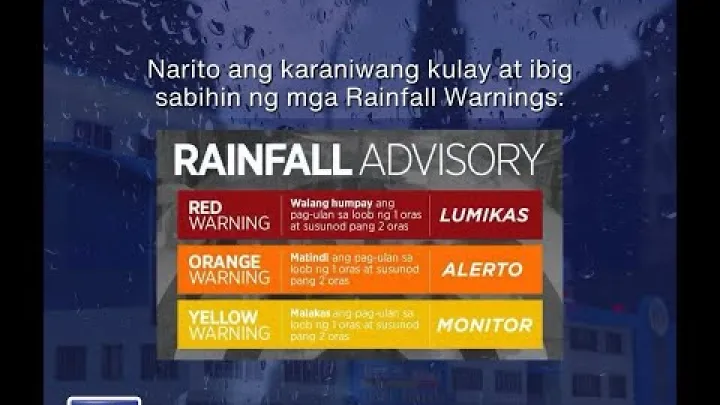
Use this simple checklist before major outdoor plans:
- Check whether heavy rain, strong wind, rough seas, flooding, or thunderstorm warnings are in effect.
- Ask your accommodation or local operator about recent rain, route conditions, and sea conditions.
- Delay boat trips, waterfall visits, cave trips, or long road travel when warnings are active.
- Keep at least one flexible day for the activity you care about most.
- Follow instructions from local authorities, transport operators, and accommodation staff.
This approach lets you enjoy Calbayog when conditions are reasonable while avoiding unnecessary risk during severe weather.
What to Pack and How to Plan Each Day
Packing for Calbayog is about heat, humidity, rain, and flexibility. You do not need specialized gear for normal city travel, but a few practical items make the trip easier.
Clothing and Gear for Heat, Humidity, and Rain
Bring lightweight breathable clothing, quick-dry layers, sandals or water-resistant footwear, and a compact rain jacket or umbrella. These items are useful in every season because short showers can happen even during the drier months.
For sun protection, pack a hat, sunglasses, and sunscreen. If you will swim or visit coastal areas, reef-safe sunscreen is a considerate choice where available.
A dry bag or waterproof pouch is useful for phones, passports, cash, and documents during boat trips, beach days, or sudden rain. A light layer can also help in air-conditioned indoor spaces or vehicles.
Daily Timing for Outdoor Activities
Start outdoor activities early. Morning is often the most practical time for beach visits, waterfall departures, city walks, and photo stops because the heat is lower and you have more time to adjust if rain develops later.
Use midday for meals, rest, transport, or indoor places such as a museum stop. This protects you from the strongest heat and makes the day feel less tiring.
Keep late afternoon flexible. It may be a good time for a short walk or seaside view, but rain or thunderstorms can develop. Beach days and waterfall trips should be planned around both the forecast and local access conditions.
When to Recheck Conditions Before You Go
Use a two-step planning method. First, check the seasonal climate pattern when choosing dates. Then recheck live forecasts as the trip gets closer.
A practical timeline is to check one week before travel, two days before travel, and on the morning of any major outdoor plan. Add extra checks before ferry trips, island visits, waterfalls, caves, or long road transfers.
Ask accommodation staff or local operators about recent rain and route conditions. This reduces risk without requiring you to avoid Calbayog during every wet month.
Conclusion: The Best Window for Calbayog
The best window for Calbayog is generally March to May, with April often the best all-around month for beaches, outdoor plans, and first-time visits. March is a strong choice if you want a slightly more comfortable balance, while May can work well for beach-focused travelers who can manage heat and humidity.
June to November is more uncertain because rain, rough seas, and typhoon-related disruption are more likely. It can still work for flexible or budget-minded travelers, but fixed beach trips and tight itineraries are better scheduled in the drier period.
Whatever month you choose, treat climate averages as planning guidance and live forecasts as the final decision tool. With flexible timing, light rain gear, and local checks before outdoor activities, Calbayog City can be a rewarding stop on Samar Island in many parts of the year.
Select area
Create a post
Posting is free and no registration is required.