Tagaytay Getting There: Manila, NAIA, Clark and Batangas Routes
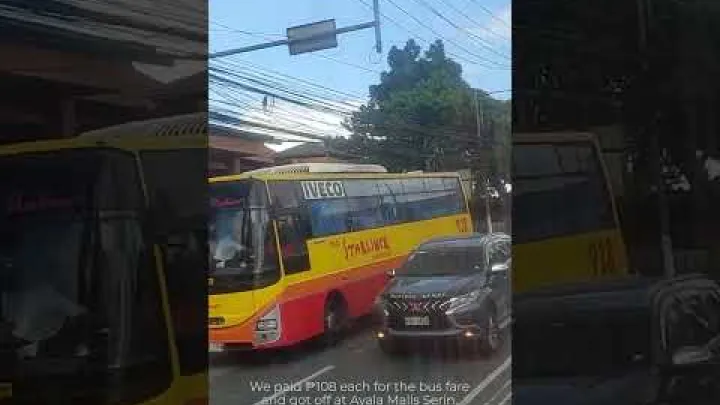
Tagaytay getting there is usually a road-transport question, not a flight or rail question. Most travelers arrive through Metro Manila, Ninoy Aquino International Airport, Clark International Airport, Batangas Port, or another Luzon gateway, then continue by bus, van, private car, ride-hailing, or arranged transfer. This guide explains the main routes, what to check before boarding, and how to choose a practical arrival point such as the Tagaytay Rotonda or Olivarez area, Mendez Crossing, or a landmark near your accommodation.
Because route assignments, fares, terminal bays, and schedules can change, treat this as a planning guide rather than a live timetable. Before departure, confirm your terminal, destination sign, weather, road conditions, and accommodation drop-off details.
Start Here: Choose Your Route to Tagaytay
Tagaytay is in Cavite in the Calabarzon region, south of Metro Manila. It is popular for cool weather, ridge views, restaurants, and weekend stays, so the best route depends strongly on when you travel and how much luggage you carry.
Understand Tagaytay as a Road-Access Destination
Tagaytay is normally reached by road. There is no airport in the city center used by regular commercial passengers, and most visitors do not arrive by direct railway. Instead, travelers usually connect through a larger gateway and complete the final leg by vehicle.
For many visitors, the practical starting point is Metro Manila or Ninoy Aquino International Airport. From there, the trip may involve a southbound bus or van, a private car, a booked transfer, or a tour vehicle. Travelers already coming from Central Luzon, Batangas, Cavite, Laguna, or nearby provinces may use regional roads and local transport connections.
Your best option depends on budget, arrival time, comfort, and risk tolerance. A direct car is simpler and usually more flexible. Public transport is cheaper for many travelers, but it requires more attention to terminals, loading areas, destination signs, and last-mile transfers.
Compare Gateways Before You Book
If Tagaytay is your main destination, compare the full route before choosing a flight, ferry, or long-distance bus. A cheaper flight into a farther airport can become less convenient once you add ground transport, luggage handling, late-night arrival issues, and the possibility of traffic.
| Gateway | Best for | Main trade-off | What to verify |
|---|---|---|---|
| Metro Manila | Most travelers already in the capital area | City traffic and terminal transfers | Correct southbound terminal and vehicle sign |
| Ninoy Aquino International Airport | International and domestic arrivals using Manila | Airport-to-terminal transfer or higher direct car cost | Airport pickup plan, tolls, and late-arrival options |
| Clark International Airport | Travelers with good flight deals or wider Luzon plans | Usually a longer multi-step route | Connections toward Metro Manila or southern corridors |
| Batangas Port | Ferry-linked itineraries | Not usually the simplest route for Tagaytay only | Ferry timing, onward road transfer, and buffer time |
When comparing routes, do not look only at the first leg. Include terminal transfers, waiting time, luggage effort, tolls, possible parking, and whether your accommodation can receive you at your expected arrival time.
Plan Around Traffic, Holidays, and Time of Day
Tagaytay is strongly affected by weekend and holiday demand. Travel can become slower on Fridays, Saturdays, Sundays, long weekends, school breaks, and major holidays, especially around popular restaurants, viewpoints, and road junctions.
Public transport may be easier to use during the day, when terminals and local transfers are more active. Late-night road travel can sometimes be smoother, but public transport options may be limited and more difficult to confirm. If you arrive late, prepare a backup plan rather than assuming you can easily find a final connection.
On the day of travel, check navigation apps, terminal announcements, weather forecasts, and road advisories. Build buffer time if you have a restaurant booking, event, hotel check-in deadline, or same-day onward trip.
Getting to Tagaytay from Metro Manila by Bus or Van
For budget travelers, getting to Tagaytay from Metro Manila usually means reaching a southbound terminal or loading area first, then boarding a bus or UV Express van that goes to Tagaytay or passes through the city. The route is practical, but the details must be checked close to departure.
Use Southern Terminals and Jump-Off Areas
Travelers commonly look for southbound services from transport hubs or areas such as Parañaque Integrated Terminal Exchange, Pasay, Buendia, or Alabang. These areas often serve routes toward Cavite, Laguna, Batangas, and nearby southern destinations, but exact route availability and loading bays can change.
The first challenge is not Tagaytay itself. It is reaching the correct terminal or loading area inside Metro Manila. If you are staying in Makati, Bonifacio Global City, Manila, Quezon City, or near the airport, allow time for the city transfer before the provincial leg.
Before leaving your hotel or airport, confirm the current terminal assignment and ask whether the service goes to Tagaytay proper or only to a nearby junction. Travelers from northern Metro Manila may need a separate city transfer to a southern hub before boarding the Tagaytay-bound leg.
Check Destination Signs Before Boarding
Not every southbound vehicle is useful for every Tagaytay traveler. Some vehicles may show Tagaytay, while others may show nearby or onward destinations such as Nasugbu, Mendez, or towns along Cavite and Batangas corridors. These signs can be helpful, but they are not a substitute for asking.
Before boarding, ask the conductor, dispatcher, or driver a clear question: Does this pass Olivarez or Tagaytay Rotonda? If your accommodation is closer to Mendez Crossing, ask that specifically. If you are staying at a hotel, condominium, resort, or rental outside the main road, show the address and nearest landmark.
Do not assume that every vehicle with an onward destination will stop where you need to get off. Confirm the drop-off point, whether luggage can be stored safely, and whether the vehicle makes roadside stops or only uses selected terminals.
Compare Provincial Buses and UV Express Vans
Buses and UV Express vans can both be useful, but they serve different traveler needs. Buses are often easier for first-time visitors because boarding is usually more formal at terminals and luggage handling may be less cramped. Vans can be convenient when they match your destination and schedule, but comfort and space vary.
| Mode | Best for | Trade-offs | Check before paying |
|---|---|---|---|
| Provincial bus | Budget travelers and passengers with luggage | May stop more often and can be slower in traffic | Destination sign, drop-off point, baggage rules |
| UV Express van | Travelers who want a smaller shared vehicle | Less luggage space and variable waiting time | Authorized loading area, fare, and exact route |
| Private transfer | Families, groups, late arrivals, heavy luggage | Higher cost than shared transport | Inclusions, tolls, pickup point, waiting time |
| Day tour | Visitors with limited time | Less flexible and may follow a fixed itinerary | Pickup area, inclusions, schedule, cancellation terms |
Vans may wait until enough seats are filled before leaving. Use authorized terminals or recognized loading areas when possible, and avoid unclear offers from people who cannot explain the route, fare, or drop-off point.
Manage Luggage, Drop-Offs, and Transfers
If you have large suitcases, a stroller, sports equipment, or multiple bags, consider a bus, private transfer, or tour vehicle instead of a cramped shared van. Tagaytay arrivals are often landmark-based, so you may not arrive at one universal city terminal.
Save your accommodation address and nearest landmark offline. Useful orientation points may include the Tagaytay Rotonda or Olivarez area, Mendez Crossing, or the road leading toward your hotel. Send your accommodation a message before travel and ask, What is the best public-transport drop-off point for your property?
During boarding and unloading, keep passports, wallets, phones, and electronics close. If you need a second transfer by jeepney, tricycle, taxi, or ride-hailing, avoid walking a long distance with luggage unless you know the area and road conditions are suitable.
Getting to Tagaytay from NAIA
Ninoy Aquino International Airport is one of the most common gateways for travelers going to Tagaytay. The main decision is whether to arrange a direct vehicle from the airport or transfer first to a southbound transport hub.

Choose Between Direct Transfer and Public Transport
A direct private transfer from NAIA to Tagaytay is usually the simplest option for families, groups, travelers with heavy luggage, and passengers arriving late. It reduces the need to navigate airport exits, city terminals, and public-transport transfers after a flight.
Taxi or ride-hailing may also be possible, but long-distance acceptance can vary. Drivers may consider distance, traffic, tolls, surge pricing, and return-trip difficulty. Do not assume that every app request will be accepted quickly, especially during busy periods or late at night.
Public transport is usually more budget-friendly, but it adds steps. You first need to get from your NAIA terminal to a southbound terminal or hub, then find a Tagaytay-bound or Tagaytay-passing bus or van. This can work well for light travelers arriving during the day, but it is less convenient if you are tired, carrying many bags, or traveling with children.
For any quoted airport transfer, confirm whether tolls, parking, waiting time, late-night surcharges, and additional stops are included. Also confirm the exact pickup point, because NAIA has multiple terminals and pickup rules can vary by service.
Connect from the Airport to a Southbound Terminal
The public-transport structure from NAIA is usually a two-part journey. First, travel from the airport to a southbound hub such as Parañaque Integrated Terminal Exchange or another current loading area. Second, board a vehicle that goes to Tagaytay or passes your intended drop-off point.
Moving between NAIA terminals and onward terminals can take time. Airport roads, city traffic, baggage claim, immigration queues, and finding the correct pickup area can all add delay. Avoid scheduling a tight same-day appointment in Tagaytay immediately after landing.
Before you leave the airport, check the current airport-to-terminal transport options. Depending on availability, your choices may include airport taxis, ride-hailing, shuttle services, or other local transport. Confirm the route with airport staff or the terminal information desk if you are unsure.
Prepare a Late-Night Arrival Backup Plan
A practical late-night plan includes a working phone, local data or roaming, enough cash for small payments, your hotel contact number, your accommodation address offline, and a confirmed pickup or backup hotel. If your flight lands very late, consider staying near the airport or terminal and continuing to Tagaytay in the morning.
Also confirm whether your Tagaytay accommodation accepts late check-in. Some hotels, condominiums, and vacation rentals require advance notice if you arrive outside normal reception hours.
Other Gateways: Clark, Batangas Port, and Regional Luzon
Not every traveler starts in Metro Manila. Clark, Batangas Port, Cavite, Laguna, Batangas, and other Luzon cities can all be relevant depending on your wider itinerary. These routes are possible, but they often require more careful connection planning.
Arriving from Clark International Airport
Clark International Airport can be useful if it offers a better flight schedule, lower fare, or fits a larger Luzon itinerary. For Tagaytay only, however, it is usually more complex than arriving through Manila because Clark is farther north and the final destination is south of Metro Manila.
Many Clark-to-Tagaytay journeys involve traveling toward Metro Manila or connecting through major bus corridors before continuing south. Depending on current services, this may mean a bus, shuttle, private transfer, or combination of vehicles.
Compare the total cost and effort, not only the flight price. Add the time needed for airport exit, transfers, traffic through or around Metro Manila, waiting for onward departures, and the final ride into Tagaytay.
Arriving via Batangas Port
Batangas Port matters for travelers arriving by ferry from island destinations or building a route that combines sea and road travel. From the port area, the onward journey to Tagaytay is by road and may involve buses, vans, private vehicles, or transfers through Batangas and nearby corridors.
This is usually not the simplest route if your only destination is Tagaytay. It can make sense when you are already arriving by ferry or visiting places in Batangas before moving north toward Cavite.
Build buffer time for ferry delays, baggage handling, and finding the correct onward road connection. Do not assume a seamless same-day ferry-to-Tagaytay transfer unless you have checked the current ferry arrival time and the current availability of onward transport.
Starting from Cavite, Laguna, Batangas, or Other Luzon Cities
Regional access depends on where you start. From Cavite, routes may connect through Cavite-side roads and Aguinaldo Highway. From Laguna, Santa Rosa-Tagaytay Road is a common planning anchor. From western Batangas or Nasugbu-side itineraries, Tagaytay-Nasugbu Road may be relevant.
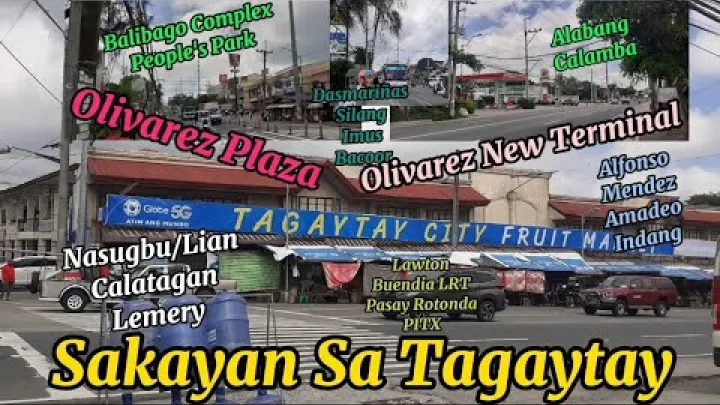
These road names are useful orientation points, but local vehicle routes, loading areas, and schedules can change. If you are starting from Dasmariñas, Silang, Santa Rosa, Calamba, Nasugbu, Lipa, or another regional city, check locally for the current bus, van, jeepney, or transfer options.
Long-distance travelers from northern or southern Luzon often connect through Metro Manila or a regional hub before the final leg. When possible, choose a route that reduces unnecessary transfers, especially if you are carrying luggage or arriving after dark.
Driving to Tagaytay by Private Car
Driving gives the most flexibility for restaurant stops, viewpoints, family travel, and accommodation away from the main road. It also brings extra responsibilities: tolls, parking, navigation, fatigue, and weather-related road caution.
Compare Main Road Corridors
There is no single best driving route to Tagaytay for every traveler. Your best corridor depends on your starting point, traffic, roadworks, weather, and current navigation conditions.
Common planning corridors include South Luzon Expressway with connections toward Santa Rosa-Tagaytay Road, Cavite-side approaches through Aguinaldo Highway, and Tagaytay-Nasugbu Road for travelers coming from western Batangas or Nasugbu-side areas. Drivers from the airport, Makati, Bonifacio Global City, Quezon City, Cavite, Laguna, or Batangas should compare live routes before leaving.
Use navigation apps, but do not rely on them blindly. Check current expressway exits, toll-road rules, local traffic schemes, and any road advisories. If two routes appear similar, choose the one that is easier to follow and better suited to your driving confidence.
Budget for Tolls, Parking, and Navigation
A private car may save time for groups, but it can add tolls, fuel, parking fees, rental charges, and driver fatigue. If you are renting a vehicle, ask about toll-payment devices, insurance, permitted driving areas, license requirements, and what happens if you return the car late.
Parking can be difficult near popular restaurants, viewpoints, churches, markets, and commercial areas during peak periods. If your accommodation is in a busy area, confirm whether parking is included and whether it is suitable for your vehicle size.
Keep offline maps and your accommodation contact details available in case mobile data becomes weak. If you are an international driver, confirm that your license, rental agreement, and insurance are valid for your trip before you drive.
Adjust for Rain, Fog, and Road Conditions
Weather can affect the driving experience in and around Tagaytay. Rain, fog, low visibility, wet roads, and traffic on ascending or ridge roads can make the trip more tiring. Drive slower when visibility is poor and leave more distance from the vehicle in front.
During severe weather periods or typhoon season, check weather forecasts and official advisories before leaving. If there are road closures, flooding reports, landslide concerns, or other official warnings, delay travel or choose a safer route.
If there are advisories related to volcanic activity, ashfall, or air quality in the wider Taal area, follow official guidance and avoid making route decisions based only on social media posts. Conditions can change, and local authorities may adjust access or safety recommendations.
Arriving in Tagaytay and Handling the Last Mile
Getting to the city is only part of the trip. The last mile matters because Tagaytay is spread along major roads, junctions, side streets, and ridge areas rather than one compact arrival zone.
Pick a Drop-Off Point Near Your Stay
Before boarding any bus or van, know your accommodation’s nearest major landmark. The Tagaytay Rotonda or Olivarez area may be useful for some central stays, while Mendez Crossing may be more relevant for other routes or accommodations. Your exact best drop-off depends on where you are staying.
Do not assume every vehicle stops at every landmark. Ask your hotel, host, or rental manager this question before departure: If I arrive by public transport, where should I get off? Then show that answer to the driver or conductor.
Some hotels, guesthouses, and vacation rentals are along side roads or quieter areas. These can be pleasant places to stay, but they may require a second transfer after the main bus or van ride.
Use Jeepneys and Tricycles for Local Transfers
Jeepneys usually operate on fixed local routes, while tricycles are often used for shorter, more flexible rides where available. A tricycle can be useful for side streets, hillier areas, or accommodations that are not directly on the main road.
For non-metered rides, agree on the fare before starting. State the destination clearly, show the address, and confirm whether the price is per person or for the vehicle. Use recognized loading areas when possible.
Local transport availability may reduce late at night. If you expect to arrive after normal hours, ask your accommodation whether they can help arrange pickup from a known landmark.
Choose Accommodation Based on Mobility Needs
Your hotel location can make Tagaytay transport easy or difficult. Staying near the main road, a major junction, or a recognized landmark can simplify bus, van, jeepney, and tricycle transfers.
Scenic or quiet lodgings away from the main road can offer a better view or calmer setting, but they may require a private car, hotel assistance, or extra local transport. This is not a problem if you plan for it, but it can be frustrating if you arrive late with heavy luggage.
Before booking, check the distance to the main road, parking availability, late check-in rules, tricycle access, and nearby landmarks. Travelers with children, mobility limitations, large bags, or late flights should prioritize easy access over views alone.
Safety, Fare Checks, and Travel Verification
Most transport problems are avoidable with clear questions and a little preparation. The goal is not to be worried, but to avoid confusion in busy terminals and tourist areas.
Avoid Fare Confusion and Unofficial Offers
In busy terminals and arrival areas, you may encounter informal offers for rides. Some may be legitimate, while others may be unclear or overpriced. If the destination, vehicle, fare, or pickup location is not clear, decline politely and use an official terminal, marked vehicle, or recognized loading area.
Ask direct questions before boarding: How much is the fare? Does this pass Tagaytay Rotonda or Olivarez? Can you drop me near this hotel landmark? For non-metered rides, agree on the price before the ride begins.
Avoid paying for a shared vehicle if the operator cannot explain when it will leave, where it will stop, and whether your luggage can be accommodated safely.
Protect Bags and Documents in Transit
Keep passports, wallets, phones, cards, and electronics close to your body in terminals, buses, vans, roadside stops, and local transfers. Use a small day bag for essential items and avoid placing valuables in outer luggage compartments when you do not need to.
During crowded boarding and unloading, focus on your bags before taking photos, checking maps, or answering messages. If you are traveling with other people, agree on a meeting point in case you get separated at a terminal or busy junction.
These precautions are useful for both domestic and international travelers. They are especially important during holidays and weekends, when queues and boarding areas can become crowded.
Verify Current Conditions Before Departure
Before you travel, complete a quick checklist: route, terminal, loading bay, vehicle destination sign, fare estimate, departure schedule, weather, road advisories, accommodation drop-off point, and late-arrival backup plan.
Check current information through transport operators, terminals, airport or port information desks, road authorities, weather agencies, local government advisories, and your accommodation where available. Schedules, fares, route assignments, terminal bays, and traffic schemes can change without much notice.
Treat any online guide as a starting point, not a live timetable. The most reliable plan is one that you confirm on the day of travel and can adjust if traffic, weather, or transport availability changes.
Frequently Asked Questions
What is the easiest way to get to Tagaytay from Metro Manila?
The easiest way is usually a private car or booked transfer, especially for groups, families, luggage, or late arrivals. Budget travelers can use a southbound bus or UV Express van, but they should confirm the current terminal, destination sign, and drop-off point before boarding.
Which airport is best for traveling to Tagaytay?
Ninoy Aquino International Airport is usually the most practical airport for Tagaytay because it is the main Manila gateway and has more onward transport options. Clark International Airport can work for some itineraries, but it is usually a longer and more complex ground journey.
Is there a train to Tagaytay?
Most travelers do not use a direct train to reach Tagaytay. Plan on road transport by bus, van, private car, transfer, or tour vehicle, and check current transport announcements if you are considering any rail-linked route through Metro Manila or nearby areas.
Can I travel from NAIA to Tagaytay late at night?
Yes, it may be possible by private transfer, taxi, or ride-hailing if available, but public transport can be harder to confirm late at night. Prepare a backup plan, confirm your accommodation’s late check-in rules, and consider staying near the airport if your arrival is very late.
Should I take a bus, UV Express van, private car, or tour?
Choose a bus for budget and luggage space, a UV Express van for a smaller shared vehicle when the route fits, a private car for comfort and flexibility, and a tour if you want a fixed day-trip itinerary. Confirm fares, route, pickup point, and drop-off before paying.
Where should I get off when arriving in Tagaytay?
Get off at the landmark closest to your accommodation. Common orientation points may include the Tagaytay Rotonda or Olivarez area and Mendez Crossing, but the best stop depends on your exact address. Ask your accommodation before departure.
Conclusion: Match the Route to Your Budget, Time, and Comfort
Getting to Tagaytay is straightforward when you plan it as a road-access trip and choose the right gateway. Metro Manila and NAIA are usually the most practical starting points, while Clark, Batangas Port, and regional Luzon routes can work when they fit a wider itinerary.
For the smoothest trip, match your transport mode to your needs. Use public transport when budget matters and you can handle transfers. Choose a private car, transfer, or tour when you want convenience, have luggage, arrive late, or are traveling with family. Before leaving, confirm your terminal, route, fare, weather, road conditions, and final drop-off landmark so your arrival in Tagaytay is as simple as possible.
Select area
Create a post
Posting is free and no registration is required.