Batangas Getting There: Bus, Ferry and Airport Routes
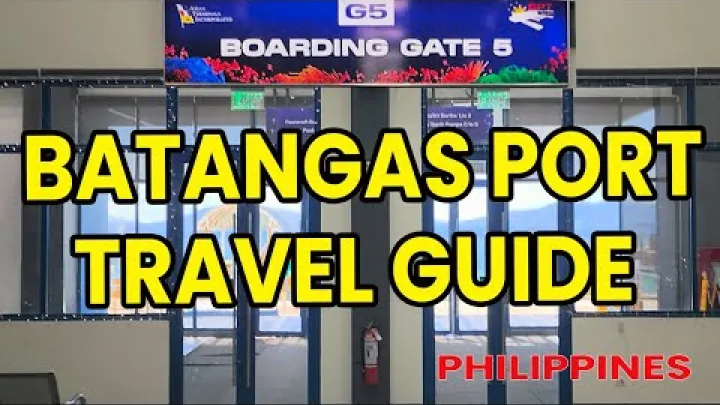
Batangas getting there is usually a choice between land and sea: most travelers arrive by bus from Metro Manila or by ferry through Batangas Port. Batangas is an important gateway in Calabarzon for city visits, beach trips, provincial travel, and onward island connections, but it is not normally reached by commercial flight into Batangas itself. This guide explains the main routes from Manila, NAIA, Clark, Mindoro, Romblon, Caticlan, and Roxas City, and shows how to choose between Batangas City Grand Terminal, Batangas Port, Lipa, and Lemery. Use it as a practical planning guide, then confirm current schedules with the operator close to your travel date.
Quick Route Planner for Batangas
Start by choosing your arrival point, not just the province name. A bus marked for Batangas may go to Batangas City Grand Terminal, Batangas Pier, Lipa, Lemery, or another endpoint, and that difference matters if you are catching a ferry or meeting a hotel transfer.
Choose the Best Arrival Route for Your Starting Point
If you are coming from Metro Manila or elsewhere on Luzon, the simplest route is usually a provincial bus. If you are flying into the Philippines, the common route is to land at NAIA in Metro Manila, transfer to a bus terminal such as PITX, Buendia, or Cubao, and continue by bus to Batangas. If you are coming from islands such as Mindoro, Romblon, or Panay, the practical route may be a ferry into Batangas Port.
The best choice depends on your final destination. Travelers going into Batangas City may prefer Batangas City Grand Terminal. Ferry passengers should look for buses or local transfers to Batangas Port, also called Batangas Pier. Travelers heading to central or northern parts of the province may find Lipa more useful, while Lemery can be a better endpoint for some western Batangas itineraries.
| Starting point | Usual route | Likely arrival point | Best for |
|---|---|---|---|
| Metro Manila | Provincial bus from Cubao, Buendia, or PITX | Grand Terminal, Pier, Lipa, or Lemery | Most budget and regular trips |
| NAIA | Airport transfer to a Manila bus terminal, then bus | Grand Terminal or Pier | International and domestic flight arrivals |
| Clark International Airport | Transfer toward Metro Manila, then bus south | Grand Terminal or Pier | Travelers using cheaper or better Clark flights |
| Mindoro | Ferry or RoRo from Calapan Port | Batangas Port | Short sea crossing and vehicle travel |
| Caticlan, Romblon, or Roxas City | Longer ferry route when operating | Batangas Port | Island-to-Luzon travel without flying |
Understand the Main Batangas Arrival Points
Batangas City Grand Terminal is a key bus arrival and transfer point for travelers entering Batangas City or connecting to other parts of the province. Batangas Port, often called Batangas Pier by travelers and transport staff, is the main sea gateway for ferries and RoRo services. These two points are not the same, so confirm your endpoint before boarding.
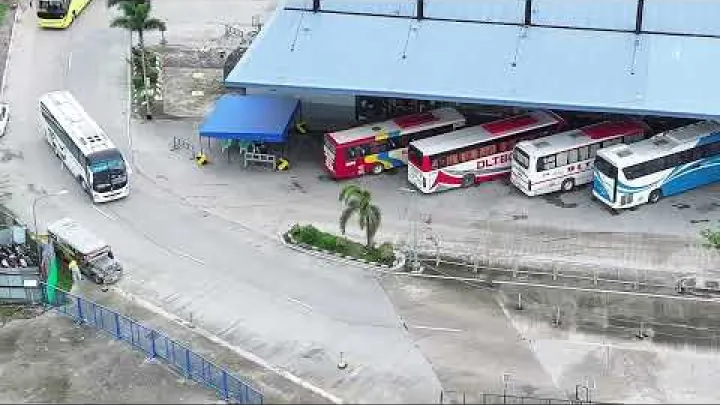
Lipa and Lemery are important alternative bus endpoints. Lipa is useful for many central and northern Batangas trips, while Lemery can be practical for western Batangas routes. If your final stop is a resort, school, industrial area, or town outside Batangas City, ask the accommodation or local contact which bus endpoint is most convenient.
Batangas City is primarily connected by land and water transport. The Batangas City Official Website lists local land and water transport infrastructure and indicates that the city has no existing airport service. For air arrivals, plan on Manila or Clark plus overland travel.
Getting to Batangas from Manila by Bus
For most visitors, the Manila to Batangas bus route is the default option. It is usually more affordable than a private transfer, has multiple terminal choices, and serves several Batangas endpoints. The main challenge is choosing the correct terminal and route.
Main Manila Terminals for Batangas Buses
The common Metro Manila departure areas for Batangas-bound buses include Cubao, Buendia near LRT Gil Puyat, and PITX. Cubao can suit travelers staying in northern or eastern Metro Manila. Buendia is often convenient for Manila, Pasay, and Makati areas. PITX can be practical for travelers coming from southern Metro Manila or from NAIA, depending on traffic and available airport transfer options.

Several operators serve the Manila to Batangas corridor. JAM Liner publishes route information for Batangas Grand Terminal, Batangas Pier, Lipa, and Lemery services from Metro Manila terminals. Other operators also serve parts of the route, so check the exact terminal, bus company, destination sign, and departure bay before leaving your hotel or airport.
| Manila terminal | Often useful for | What to check |
|---|---|---|
| Cubao | Northern and eastern Metro Manila | Company terminal location and exact Batangas endpoint |
| Buendia or LRT Gil Puyat | Manila, Pasay, Makati, and nearby hotels | Whether the bus goes to Grand Terminal, Pier, Lipa, or Lemery |
| PITX | Southern Metro Manila and many airport-based travelers | Current route availability and departure bay |
Routes to Batangas Grand Terminal, Batangas Pier, Lipa, and Lemery
Do not board a bus simply because it says Batangas. Ask the conductor, dispatcher, or ticket counter where the bus terminates. Batangas Grand Terminal is useful for Batangas City and provincial transfers. Batangas Pier is the better target if you have a ferry ticket. Lipa and Lemery are separate endpoints that may save time if they are closer to your final destination.

Some Manila buses go directly to Batangas Pier, which can be very useful for passengers connecting to ferries. If that service is not available at your chosen time, you may need to ride to Batangas City Grand Terminal and take local transport onward to the port. ALPS route information lists Metro Manila to Batangas services from terminals such as Cubao and PITX; check current availability with ALPS Bus or your selected operator before building a tight itinerary.
Travel Time, Frequency, and Fare Expectations
Manila to Batangas is often planned as a few-hour bus trip, but the actual journey can change with traffic, road works, holidays, terminal queues, and weather. Friday afternoons, long weekends, Holy Week, Christmas season, and other peak periods can add significant delay. If you need to catch a ferry at Batangas Port, avoid a same-hour connection.
Core Manila to Batangas routes are commonly served throughout the day, and some routes have frequent departures, but frequency is not the same for every endpoint or operator. Batangas Pier, Lemery, and late-night departures may have different patterns from Batangas Grand Terminal services. Fares also change by operator, bus type, fuel adjustments, and booking platform, so treat online figures as estimates until you buy a ticket.
For ferry connections, a conservative plan is to add a meaningful buffer between the expected bus arrival and your ferry check-in. If you are traveling with children, large luggage, a vehicle, or a group, add more time for unloading, local transfers, ticketing, and terminal procedures.
Getting to Batangas from NAIA or Clark Airport
Batangas does not usually begin with a flight into the province. Air travelers normally use a major airport gateway, then continue by road. NAIA is the most common gateway, while Clark can work when flight schedules or prices are better.
From NAIA to Batangas via PITX, Buendia, or Cubao
From NAIA, the standard route is simple: leave the airport, transfer to a Metro Manila bus terminal, then board a provincial bus to Batangas. PITX is a practical option for many airport arrivals because it is in southern Metro Manila, but it is not automatically the best choice for every traveler. Buendia can be better if your bus operator departs there or if you are staying near Pasay, Manila, or Makati. Cubao can make sense for travelers already staying in Quezon City or nearby areas.
Late-night arrivals require extra care. Some bus routes may be reduced, counters may be harder to navigate, and airport-to-terminal transfers can take longer than expected. Use official airport transport, accredited taxis, or reputable ride-hailing options where available, and keep enough cash or payment access for both the city transfer and the provincial bus ticket.
If your final destination is a ferry, your target should usually be Batangas Pier rather than just Batangas City. If a direct pier-bound bus is not available, ask for the best route to Batangas City Grand Terminal and then arrange a local transfer to the port.
Direct Airport to Batangas Pier Services to Verify
Some traveler reports and transport discussions mention direct airport-to-Batangas Pier bus services. Because current official schedule evidence can be limited and services may change, treat this as a possible convenience rather than a guaranteed route. Do not rely on it for a tight ferry connection unless you have confirmed the current departure point, operator, timetable, and ticketing procedure.
Before depending on a direct NAIA to Batangas Pier option, ask at airport transport counters, check current terminal notices, and contact the bus operator if possible. Your fallback route is to transfer from NAIA to PITX, Buendia, or Cubao, then take a bus to Batangas Pier or Batangas City Grand Terminal.
Why Clark Airport Usually Takes Longer
Clark International Airport is north of Metro Manila, while Batangas is south of Metro Manila. This means a Clark arrival often requires a longer overland journey than a NAIA arrival. Many travelers first move from Clark toward Metro Manila or another major transport hub, then change to a Batangas-bound bus.
Clark can still be a reasonable choice if your flight is cheaper, more direct, or arrives at a better time. It is usually not the simplest gateway for Batangas, especially for first-time visitors with luggage or a same-day ferry connection. Build extra time into the plan for intercity transfers and Metro Manila traffic.
Getting to Batangas by Ferry
Batangas is one of Luzon's important sea gateways. Ferries and RoRo vessels make the province a practical arrival point for travelers coming from Mindoro, Romblon, Caticlan, and some longer island routes.
Batangas Port as the Main Sea Gateway
Batangas Port, widely called Batangas Pier, is the main point to understand for sea travel. It handles passenger ferries and RoRo services that connect Batangas with island destinations. If you are arranging a transfer, Barangay Santa Clara is a useful local anchor for locating the port area.
Remember that the port is not one single timetable. Ferry companies control their own schedules, ticket rules, cabin options, vehicle procedures, and cancellation policies. Always check the operator or booking platform for your exact route, date, passenger type, and vehicle requirements.
Ferries from Caticlan, Romblon, Roxas City, and Calapan
Longer sea routes may connect Batangas with Caticlan Jetty Port, Odiongan in Romblon, and Roxas City in Capiz, depending on the operator and sailing schedule. Route aggregators such as Direct Ferries list Batangas as a ferry destination and can help travelers compare general route options, but final schedules, fares, and vessel details should be checked with the ferry company or booking channel.

The Batangas to Calapan route is a major short sea connection for Mindoro. FastCat publishes Batangas Port to Calapan Port schedule information, and its route page is a useful starting point for planning a passenger or RoRo trip; check current sailings with FastCat before travel. Other ferry operators may also serve the corridor, so compare departure time, port procedure, vehicle rules, and arrival needs.
Long-haul ferries are different from short RoRo crossings. Caticlan, Romblon, and Roxas City routes may involve overnight or long-duration sailing, cabin choices, and more limited sailing days. Calapan crossings are generally shorter and are often used for regular Mindoro to Luzon movement, including passengers with vehicles.
Ferry Booking, Check In, and Weather Buffers
Ferry passengers should allow time for ticket collection, terminal fees, security checks, baggage handling, and boarding. RoRo passengers with vehicles may need additional processing time for vehicle documents, lane assignment, loading, and unloading. Check the requirements for your exact operator because procedures can differ.
Weather can affect ferry operations in the Philippines. Schedules may also change because of vessel deployment, port advisories, peak demand, maintenance, or holiday traffic. Check your ferry status close to departure, and avoid booking a flight or important appointment immediately after a ferry arrival.
If you are connecting from a bus to a ferry, plan more than the minimum connection time. If you are connecting from a ferry to a flight in Manila or Clark, be even more conservative because you still need to travel overland from Batangas to the airport.
Choosing Between Bus, Ferry, Private Transfer, and Combined Routes
The best way to get to Batangas depends on your starting point, budget, luggage, arrival time, and tolerance for transfers. A cheap route can become stressful if it requires multiple changes late at night. A private transfer can be easier but may not be necessary for simple daytime travel.
Fastest, Cheapest, and Easiest Options
From Manila, buses are usually the budget default. They run from established terminals, serve multiple Batangas endpoints, and are familiar to local travelers. Private cars or pre-arranged transfers can reduce stress for families, groups, business travelers, or people arriving late, but they usually cost more and still face the same road traffic.
Ferries are essential for many island origins. They can also be practical for travelers with heavy luggage or vehicles when the schedule works. The trade-off is that ferry planning requires more attention to sailing days, check-in rules, weather, and onward transport after arrival.
| Option | Best for | Drawback | What to verify |
|---|---|---|---|
| Bus from Manila | Budget travelers and regular routes | Traffic and terminal confusion | Terminal, endpoint, departure time |
| Private transfer | Families, groups, late arrivals, heavy luggage | Higher cost | Pickup point, vehicle type, total price |
| Ferry to Batangas Port | Mindoro, Romblon, Caticlan, and other island routes | Weather and schedule changes | Sailing date, check-in, fare, baggage, vehicle rules |
| Airport plus bus | International and domestic flight arrivals | Multiple transfers | Airport transfer, bus terminal, ferry buffer if needed |
When to Book Ahead and When to Stay Flexible
Book ahead for ferries, holidays, long weekends, overnight sailings, limited-frequency routes, and group travel. Booking is also wise if you need a specific cabin type or are traveling with a vehicle. Always read rebooking, refund, and cancellation terms before paying.
For buses, many travelers buy tickets at the terminal, especially on frequent daytime routes. Online booking can reduce uncertainty for selected operators and peak periods, but availability differs by company, route, and date. ALPS provides an online booking channel for some services through ALPS Bus Online Booking, which is useful for checking whether your planned route can be reserved in advance.
Keep screenshots, ticket vouchers, payment confirmations, and identification documents easy to access. Mobile data may be unreliable inside terminals or during boarding, so save important details offline.
Last Mile Arrival Inside Batangas
Reaching Batangas Province is not always the same as reaching your final address. After arriving at the Grand Terminal or the Pier, you may still need a local transfer to a city center, hotel, school, factory, resort, or another town.
From Batangas Grand Terminal to the City, Port, and Provincial Towns
Travelers arriving at Batangas City Grand Terminal may continue by local transport to Batangas City center, Batangas Port, resorts, nearby barangays, or other towns. Common local modes include jeepneys, vans, tricycles, buses, and private vehicles. Availability can vary by time of day and exact destination.
Before boarding local transport, confirm the destination, approximate fare, and whether your luggage can be accommodated. If you need to reach a scheduled ferry, allow extra time for the transfer from the Grand Terminal to the pier. A short local transfer can still take longer than expected during traffic, rain, or peak arrival periods.
From Batangas Pier to Local Transport
Some buses arrive directly at Batangas Pier, which is convenient for ferry passengers. Others stop at Batangas City Grand Terminal, requiring a local transfer to the port. If you are arriving by ferry and continuing into Batangas or toward Manila, look for official terminal signs, bus counters, or clearly identified local transport areas.
Local options around the port may include tricycles, jeepneys, vans, taxis, or pre-arranged pickups, depending on time and availability. At night, stay in visible and official terminal areas while arranging onward travel. If you have accommodation booked, ask the property in advance for the safest and most practical pickup or transfer option.
Late Night Arrival and Practical Safety Tips
Late-night and early-morning arrivals can be more difficult because local transport may be reduced, food options may be limited, and some ticket counters or information desks may be closed. If you expect to arrive late, arrange accommodation in advance and ask whether the hotel can assist with pickup.
Use official terminals, visible waiting areas, marked transport, and verified booking channels when available. Avoid accepting rides from people who cannot clearly identify their company, vehicle, price, or destination. These are simple precautions, not a reason to avoid Batangas; they help reduce stress when you are tired or carrying luggage.
Sample Routes to Batangas
The following sample routes show how to put the transport pieces together. They are planning examples, not guaranteed schedules, so confirm current departure times before travel.
From Manila to Batangas City or Pier
For Batangas City, choose a Metro Manila terminal that is convenient for you, such as Cubao, Buendia, or PITX. At the ticket counter, ask for a bus to Batangas City Grand Terminal. On arrival, take local transport to your hotel, meeting point, or onward provincial route.
For a ferry from Batangas Port, first look for a bus that goes directly to Batangas Pier. If available, this reduces local transfer time and the risk of endpoint confusion. If no pier-bound bus is available at your travel time, take a bus to Batangas City Grand Terminal, then transfer locally to the port. Check the bus schedule the day before travel and again before leaving for the terminal.
Choose Cubao, Buendia, or PITX based on your location and operator.
Confirm whether the bus goes to Batangas Grand Terminal or Batangas Pier.
Buy or reserve the ticket, keeping your ferry time in mind.
Add buffer time for traffic, terminal queues, and local transfers.
From Caticlan or Romblon to Batangas
Travelers from Caticlan or Romblon-linked ports may be able to reach Batangas by long ferry routes when sailings are operating. This is usually an overnight or long-duration sea option, not a quick transfer. It can be practical for travelers who prefer sea travel, are carrying more luggage, or want to avoid an additional flight.
Before building a fixed itinerary, check the current sailing day, departure port, arrival time, fare, cabin or seat type, and vessel rules. After arriving at Batangas Port, you can continue by local transport into Batangas City or by bus toward Manila and other Luzon destinations.
From Mindoro to Batangas
From Mindoro, Calapan Port to Batangas Port is one of the most important short sea connections. Depending on the operator and vessel type, services may carry passengers and vehicles under RoRo procedures. Check the ferry company's schedule, ticket rules, vehicle requirements, and port arrival time before you travel.
After arriving at Batangas Port, choose your onward route. If you are staying in Batangas, arrange local transport from the port. If you are continuing to Manila, look for buses serving Metro Manila terminals or transfer to a suitable bus departure point if needed.
Frequently Asked Questions
Does Batangas have an airport?
Batangas City does not currently function as a commercial air gateway. Most air travelers fly to NAIA in Metro Manila or, less commonly, Clark International Airport, then continue to Batangas by road.
What is the easiest way to get to Batangas from Manila?
For most travelers, the easiest public transport route is a provincial bus from Cubao, Buendia, or PITX to the correct Batangas endpoint. Choose Batangas City Grand Terminal for city and provincial transfers, or Batangas Pier if you are catching a ferry.
Should I go to Batangas Grand Terminal or Batangas Pier?
Go to Batangas Grand Terminal if your destination is Batangas City or another town reached by local transfer. Go to Batangas Pier, also called Batangas Port, if your main purpose is to board or meet a ferry.
Can I travel from NAIA directly to Batangas?
You may find reports of direct airport-to-Batangas Pier services, but you should verify current availability before relying on them. The reliable fallback is to transfer from NAIA to PITX, Buendia, or Cubao, then take a Batangas-bound bus.
How early should I arrive before a ferry from Batangas Port?
Arrive early enough for ticketing, terminal fees, security, baggage, and boarding. The exact time depends on the ferry company, passenger type, and whether you have a vehicle, so follow the operator's current check-in instructions and add a buffer.
Is it better to book Batangas buses and ferries online or at the terminal?
Book ahead for ferries, holidays, overnight sailings, groups, and limited-frequency routes. Bus tickets are often available at terminals, but online booking can help on selected operators and peak travel dates.
Final Tips for Getting to Batangas Smoothly
The smoothest Batangas route is the one that matches your exact endpoint. From Manila, confirm whether your bus goes to Batangas City Grand Terminal, Batangas Pier, Lipa, or Lemery. From NAIA or Clark, include enough time for the airport-to-terminal transfer before the provincial bus ride.
If you are arriving by ferry, check the current sailing schedule, check-in rules, weather outlook, and onward transport from Batangas Port. Keep tickets, IDs, and confirmations easy to access, and avoid tight connections when buses, ferries, and flights are combined. With the right terminal choice and realistic buffers, getting to Batangas is straightforward for both first-time visitors and regular travelers.
Select area
Create a post
Posting is free and no registration is required.