Kalaw Getting There: Flights, Buses and Trains in Myanmar

Getting to Kalaw usually means choosing between a domestic flight to Heho followed by a road transfer, a long-distance bus, or the slower railway route via Thazi. The best option depends on your starting point, budget, tolerance for overnight travel, and how much of the journey can be confirmed for your date. This Kalaw getting there guide explains the main gateways, indicative journey times, booking challenges, terminal names, and last-mile planning. Transport schedules, road conditions, fares, and route availability can change, so treat every departure and duration as date-sensitive unless the relevant operator has confirmed it directly.
Check Current Access Before Booking
Kalaw's transport geography is relatively easy to understand, but the availability of individual services can be less certain. Start with the route map, then confirm the actual service, departure point, and arrival arrangement before paying for a non-refundable booking.
Verify Live Conditions Instead of Relying on Old Timetables
Old travel guides, booking portals, operator pages, and traveler reports may describe different versions of the same journey. A route shown online is not proof that a bus, train, or flight is operating on your chosen date. A listing may remain visible after a service changes, or it may show a planned route without showing current seat availability.
Check current government travel advice for Myanmar, local movement conditions, and the road situation affecting your route. Then seek confirmation from the relevant airline, bus operator, railway contact, local agent, or accommodation. Ask for the exact date, departure time, terminal, destination wording, and expected arrival window. The transport details in this guide were checked on 7 August 2026; that date is a reference point rather than a guarantee of future operation.
Use this stop-or-go checklist:
- Confirm that the route is offered for your exact travel date.
- Confirm the boarding terminal and the precise place where you will get off.
- Allow time for airport check-in, road transfers, delays, and accommodation access.
- Check payment, change, cancellation, and baggage conditions.
- Keep one alternative that has also been confirmed by a current operator or local contact.
If a connection remains unclear, do not build a tight onward plan around it. Allow extra time before a trek, onward flight, or non-refundable activity.
Understand Kalaw's Transport Gateways
Kalaw does not have an airport of its own. The main aviation gateway is Heho Airport (HEH), from which travelers continue to Kalaw by road. When searching for flights, use Heho or HEH as the arrival point, then search separately for the transfer into Kalaw.
For surface travel, the main local reference is Kalaw Highway Bus Station. A ticket may instead mention a central hotel or another local drop-off, so read the destination wording carefully. Rail travelers should distinguish Kalaw railway station from Thazi Station, the town associated with the wider rail connection and the route into the Shan Hills.
Several other names appear in regional transport searches, but they are not interchangeable with Kalaw. Nyaung Shwe is the main visitor base for the Inle Lake area. Shwenyaung is a separate regional transport reference. Taunggyi is a major regional city and possible road connection point. A ticket to Inle Lake, Nyaung Shwe, or Shwenyaung is not a ticket to Kalaw. Entering the correct place name when searching helps prevent an incomplete itinerary.
Compare the Main Ways to Get to Kalaw
There is no single best way to reach Kalaw. Air reduces the long surface journey but adds a flight connection and a road transfer. Buses are more direct when a suitable service is running. Rail can be scenic and memorable, but it requires more planning and has the greatest uncertainty in the available evidence.
Compare Air, Bus, and Rail at a Glance
The following comparison describes journey patterns rather than promising a live schedule or fixed price. Total journey time includes overlooked stages such as reaching the departure point and traveling from Heho into Kalaw.
| Mode | Typical pattern | Relative speed | Relative cost | Booking difficulty | Main uncertainty |
|---|---|---|---|---|---|
| Air | Domestic flight to Heho, then road to Kalaw | Fastest pattern when confirmed | Usually higher, with transfer cost added | Moderate to high | Route, flight time, and connection changes |
| Bus | Direct or through-bus to Kalaw | Long but often simple | Often the lower published-cost option | Moderate | Departure, terminal, and road status |
| Rail | Reach Thazi, then use the Thazi–Kalaw line | Slowest and least predictable | No dependable current comparison | High | Current service and ticket conditions |
Flying is not the same as completing the trip quickly from door to door. You must reach the airport, allow for check-in and possible changes, land at Heho, collect luggage, and arrange the road leg. A bus may take longer overall but remove a transfer. A train may be attractive for the experience, but only if it is operating and you can obtain a ticket.
Use qualitative cost comparisons only as a starting point. Airfares, bus fares, taxi charges, and availability can change independently. A cheaper flight may cost more after airport transfers, while a low bus fare may not include a hotel drop-off or last-mile transport.
Fly to Heho, Then Travel by Road
For many travelers, the air-and-road pattern is the most practical way to get to Kalaw when a suitable flight is available. It also clearly separates the gateway from the final transfer into town.
Connect to Heho from a Domestic Gateway
Heho Airport is a domestic airport for this journey, so international travelers normally need to enter Myanmar through a larger gateway and then take a domestic connection. The route therefore involves at least two decisions: how to reach Heho and how to travel from Heho to Kalaw.
The available route overview lists planned links involving Yangon, Bagan or Nyaung-U, Naypyidaw, Magway, Tachileik, and Kengtung. These names are useful search leads, but a route overview is not proof of a departure on a particular date. FlightConnections shows listed destinations, so check the airline and date directly before treating any connection as confirmed.
A simple date-dependent example is Yangon to Heho, followed by a road transfer to Kalaw. Another possible pattern is Nyaung-U or the Bagan area to Heho, followed by road to Kalaw. Do not assume a Mandalay–Heho flight is currently available because it appears in an older account or because Mandalay is a major city. Search the exact date and confirm the airline's current booking information.
Travel from Heho Airport to Kalaw
Heho Airport is close enough to make a road transfer practical, but it is not in Kalaw. Available route research places the airport about 33 kilometres from Kalaw, with a road distance of roughly 33.3 kilometres. A published driving estimate is around 39 minutes in suitable conditions. Rome2Rio lists taxi, private-car, and airport-transfer categories for this road leg.
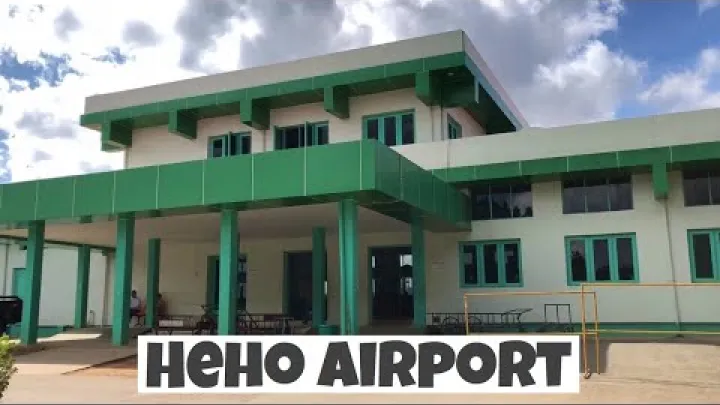
For planning, think of the transfer as about 40 minutes or longer rather than as a guaranteed 39-minute trip. Road conditions, weather, traffic, luggage loading, and waiting for the correct vehicle can all affect the duration. The road leg is separate from flight time, airport procedures, and any wait after landing.
The practical categories are a taxi, a privately arranged transfer, or a pickup organized by a hotel or guesthouse. A pre-arranged pickup can reduce uncertainty when you have heavy luggage, arrive after dark, or lack a local phone contact. Do not assume that a regular public airport shuttle operates unless an airline, accommodation, or current local transport contact confirms it. Before accepting a taxi or private car, confirm the pickup point, fare, vehicle, and destination.
Plan Around Flight Arrival Times
The time printed on a flight booking is only one part of the arrival plan. You still need to leave the aircraft, collect luggage, meet a driver or find a taxi, travel from Heho to Kalaw, and reach accommodation that may have limited reception hours.
Record the scheduled landing time and allow room for delay or a flight change. Add the airport-to-Kalaw road journey to the flight time rather than quoting one combined number without explanation. Tell your hotel or guesthouse the expected arrival window and ask how you will enter outside normal reception hours. Arrange a pickup in advance if you carry substantial luggage, arrive late, or travel without a local phone contact.
Avoid scheduling a trek or important activity immediately after landing unless every connection has a generous buffer. Do not promise yourself a three-to-four-hour total journey until the flight, airport process, road transfer, and accommodation access have all been confirmed.
Take a Long-Distance Bus to Kalaw
Long-distance buses are the main direct surface option for travelers who prefer not to use a domestic flight. They can be useful from Yangon, Mandalay, Bagan, or nearby regional centers, but the exact service, terminal, and drop-off point are part of the booking and should not be assumed from a route name.
Travel from Yangon to Kalaw by Bus
A Yangon–Kalaw bus has historically been an important direct or through-route and is often associated with overnight travel. That can suit travelers who want to avoid a separate flight and airport transfer, but a departure shown in an old guide or booking search may not operate today.
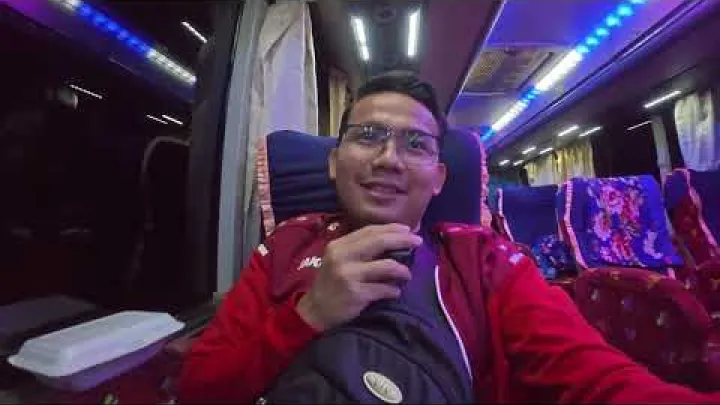
An Easybook listing used for this guide shows an indicative distance of about 579 kilometres, average travel time of approximately 11 hours 40 minutes, three operator brands, and a sample fare around MMK 50,000. These figures are a dynamic snapshot, not a guaranteed price, timetable, or seat inventory. Easybook may help identify a listing, but the operator or current booking record should decide whether the service is available for your date.
Before using the Yangon bus, ask the operator or your accommodation to confirm the departure and road status for the day of travel. Confirm the boarding terminal, expected arrival point, baggage conditions, and whether the service is direct or involves a change. Compare the full bus journey with the air pattern, including time to reach the Yangon terminal and the transfer after landing at Heho.
Travel from Mandalay or Bagan to Kalaw
Travel descriptions report road or bus journeys from Mandalay to Kalaw at around five to six hours and from Bagan to Kalaw at around six to seven hours. These figures help show the scale of the journey, but they are indicative. They do not prove that a direct bus, same-day connection, or through-ticket is available on your date.
From Mandalay: a direct surface journey may be simpler than an air connection if a current bus or private road transfer is confirmed. The alternative is a flight to Heho and then a road transfer to Kalaw. The air option has more stages but may reduce the long road section. Ask whether the quoted duration refers to a bus, minibus, private car, or a combination.
From Bagan or Nyaung-U: a direct road journey may be described as six to seven hours. An air-and-road pattern requires a confirmed connection to Heho and a separate transfer into Kalaw. Bagan refers to the historic town area, while Nyaung-U is also used for the local airport and surrounding visitor services. Enter the correct starting place when asking for a ticket.
Do not combine a bus estimate, flight time, and transfer estimate into one precise duration. Confirm whether the ticket covers every leg and whether luggage must be collected and rechecked.
Travel from Inle Lake, Nyaung Shwe, Shwenyaung, or Taunggyi
Kalaw has regional road connections with the Inle Lake area, Nyaung Shwe, Shwenyaung, and Taunggyi. These journeys are shorter in regional terms than traveling from Yangon, but route names can still be vague. A listing that says “Inle Lake” may not identify whether the vehicle leaves from a lakeside jetty, Nyaung Shwe, or Shwenyaung.
![Preview image for the video "[EngSub] 🇲🇲 Traveling to Kalaw from Nyaung Shwe by Taking Bus".](/sites/default/files/styles/media_720x405/public/oembed_thumbnails/2026-08/Zvb8D4qelrKk1kcxFimBWG9md2qpMFLQqtnSUokga7M.jpg.webp?itok=3KFP0x0s "Preview image for the video \"[EngSub] 🇲🇲 Traveling to Kalaw from Nyaung Shwe by Taking Bus\".")
Use the endpoint names precisely. Nyaung Shwe is the lakeside visitor base and a common place to arrange onward transport. Shwenyaung is a separate regional transport point that may appear in road or rail descriptions. Taunggyi is a regional city that may serve as a road connection point. In Kalaw, the final arrival point still requires confirmation.
There is no dependable evidence here for a fixed frequency or current fare on every regional route. Obtain current departure information from an operator, accommodation, or local agent. A Kalaw-to-Inle trek is a walking itinerary for several days; it is not a substitute for confirming public transport if you need to travel by vehicle.
Know the Bus Terminals and Drop-Off Points
For Yangon departures, Aung Mingalar Highway Bus Station is an important terminal name to recognize and confirm. In Kalaw, Kalaw Highway Bus Station is a key road-transport anchor. These names help you search and communicate, but the ticket or operator should determine the actual counter and boarding instructions for your service.
Some buses may finish at the highway bus station, while another service may use a central hotel or a different local drop-off. A hotel drop-off reported for one operator should not be treated as standard practice for every bus. Read the destination wording carefully and ask the operator to explain unfamiliar place names or abbreviations.
Save this terminal checklist with your booking:
- What is the exact boarding terminal, counter, or pickup point?
- What is the exact destination in Kalaw: Kalaw Highway Bus Station, a hotel, or another location?
- What time should you arrive at the terminal?
- What identification, booking reference, or baggage conditions apply?
Confirm these details before leaving your accommodation. A correct city name on a ticket does not always identify where the vehicle will stop.
Travel by Train via Thazi
The train is the most distinctive option on the Kalaw route, but it is not the simplest. The journey involves reaching Thazi and then using the railway into the Shan Hills, so it should be planned as a separate experience rather than as a direct substitute for a confirmed bus or flight.
Understand the Thazi–Kalaw Railway
The Thazi–Kalaw line is a meter-gauge railway route running from Thazi Station to Kalaw railway station. It is associated with the climb into the Shan Hills and appeals to travelers who value scenery, slower travel, and the journey itself. The available Kalaw–Thazi Railway reference supports the line's existence and its 1,000-millimetre meter-gauge identity.
Infrastructure information is not the same as current operating information. A railway line can remain on the transport map even when departures, ticket sales, or passenger rules change. Many travelers also need to reach Thazi first, adding another rail or road leg before the mountain section. Do not use the railway for a tight itinerary if a delay could make you miss an important booking in Kalaw.
Confirm Train Service and Ticket Conditions
The available evidence does not establish a dependable current timetable, universal ticket-purchase method, or consistent access for foreign passengers. Do not use an old traveler report or historic timetable as proof that the line is open and bookable now.
Before building an itinerary around the train, ask Thazi or Kalaw station staff, or a current local agent:
- Does a passenger train operate between Thazi and Kalaw on the intended date?
- What is the departure time, and could delays or cancellations affect the next plan?
- Where can a traveler buy a ticket, and how far in advance is it sold?
- Can a foreign passenger use the service, and what identification is required?
- What fare and class options are currently available?
- What road or bus alternative should be used if the train is not running?
If staff or a current agent cannot confirm the service and passenger conditions, choose a road or bus alternative instead. Keep that alternative confirmed rather than relying on an old departure time copied from a travel story.
Choose a Route from Your Starting Point
Your departure city changes the balance between flight connections, bus travel, and rail. Compare the full journey from your accommodation to your accommodation in Kalaw, not only the fastest individual leg.
From Yangon
From Yangon, the main patterns are:
- Air and road: reach the departure airport, take a confirmed Yangon–Heho connection, then travel by road from Heho to Kalaw. This is generally the fastest pattern when a suitable flight is confirmed, but it contains a flight connection and separate transfer.
- Direct or through-bus: travel from a Yangon highway-bus terminal, historically often overnight, and arrive in Kalaw by road. The indicative listing is about 11 hours 40 minutes, but the current departure and terminal must be confirmed.
- Rail: travel toward Thazi and then use the Thazi–Kalaw line if the mountain service and ticket conditions are confirmed. This is the most complicated pattern from Yangon.
Choose the bus when a current direct service fits your budget and comfort level. Choose air when the flight time, transfer, and arrival arrangement suit your schedule. Choose rail only when you want the experience and have confirmed the additional Thazi connection. Compare check-in time, terminal access, transfer cost, and arrival time rather than quoted travel duration alone.
From Mandalay or Naypyidaw
Mandalay: travel sources describe a bus or road journey of about five to six hours, although the exact service pattern is not a live guarantee. Kimkim presents air, bus, and rail patterns for this route, but its journey details should be treated as non-live until independently confirmed. A suitable flight to Heho may be more attractive if it is actually available, while a confirmed road service may avoid airport changes.
Naypyidaw: Naypyidaw appears in route descriptions for Heho, making a Naypyidaw–Heho connection a useful search lead. Check the airline, flight date, departure airport, and onward road transfer separately. Do not assume that the Naypyidaw option has the same operator, fare, or duration as a Mandalay route.
For either starting point, include the transfer from your hotel to the airport or bus terminal. An airport connection that looks short on a map may be less convenient if the departure point is distant from your accommodation or if the Heho-to-Kalaw vehicle is not arranged.
From Bagan or Nyaung-U
From Bagan or Nyaung-U, travelers may find a reported surface journey of around six to seven hours. Treat that figure as an indicative road or bus estimate, not a guaranteed current schedule. Ask whether the service starts in Bagan town, Nyaung-U, or another pickup point.
The alternative is a confirmed flight from the Bagan or Nyaung-U area to Heho, followed by a separate road transfer to Kalaw. This may reduce the surface journey, but it adds airport access, check-in, baggage handling, and the transfer after landing. Search the surface route and Heho flight for the same date, and do not combine their separate durations into one number without including connection time.
Use Bagan when referring to the historic destination area and Nyaung-U when referring to the town or airport area. If a ticket simply says Bagan, ask for the exact pickup location. If it says Nyaung-U, confirm whether the vehicle leaves from the airport, town, or a hotel.
From Inle Lake, Nyaung Shwe, or Taunggyi
For travelers already in the Inle Lake region or Taunggyi, the practical pattern is usually a road journey toward Kalaw. The exact starting point matters: a vehicle from Nyaung Shwe may not leave from the lakeside itself, and a listing using Shwenyaung may refer to a separate connection point.
Ask whether your departure is from Nyaung Shwe, the lakeside visitor base, or another nearby point. Confirm whether Shwenyaung is the boarding point, a transfer point, or only a route reference. From Taunggyi, confirm the road departure place and whether the vehicle goes directly to Kalaw. In Kalaw, confirm whether you will arrive at the highway bus station or another local drop-off.
A bus, shared vehicle, or private car is different from the walking trek between Kalaw and the Inle Lake area. A trek may suit an active itinerary, but it should not be treated as assumed public transport. Ask your accommodation for the current departure location and the exact town where the vehicle will leave you.
Use a Practical Booking and Arrival Checklist
Once you have selected a route, the quality of the booking details matters as much as the transport mode. Keep the information written down and easy to show offline.
Book Tickets and Confirm the Operator
Different parts of the journey may be sold through different channels. Airline websites or airline agents may handle flights, booking platforms may show bus seats, local agents may arrange surface transport, and hotels or guesthouses may know which departures are currently being used. No single channel is universally reliable for every Kalaw route.
Before paying, compare the travel date and local departure time; passenger and identification details; seat class and vehicle type; exact departure point; recommended terminal arrival time; exact Kalaw destination wording; baggage allowance; and change, cancellation, refund, and missed-connection conditions.
Save the booking reference, operator contact, terminal name, and accommodation address in an offline note or printed document. A phone battery, mobile signal, or booking application may not be available when you need to show the information. Current operator names should be used only when the live route listing confirms that they serve your selected journey.
Confirm the Terminal, Drop-Off, and Taxi Fare
Three questions can prevent arrival misunderstandings:
- Where do I board? Confirm whether the departure is from Aung Mingalar Highway Bus Station, another Yangon counter, Kalaw railway station, or a different pickup point.
- Where do I get off? Confirm whether the arrival is at Kalaw Highway Bus Station, a central hotel, or another local stop.
- Who is collecting me? If a hotel pickup or taxi is arranged, confirm the contact, vehicle, destination, and agreed fare.
At a bus station or airport, an unsolicited ride or transfer offer is not automatically the service included in your ticket. Compare it with the operator's instructions or your accommodation's message. Agree on the destination and taxi fare before accepting the ride, and keep the address written in a form that can be shown to the driver.
Prepare for Early or Late Arrivals
Overnight buses and changing transport schedules can bring travelers to Kalaw very early or later than expected. Send your accommodation the expected arrival window and ask whether reception, luggage storage, or early check-in will be available. If someone is collecting you, share the same window with the driver and ask where to wait if the vehicle is delayed.
Carry the accommodation name, full address, booking details, and transfer contact separately from your main phone or ticket. A paper copy or offline note is useful if the phone battery is low. Do not rely on transport arriving at exactly the printed minute when deciding when to meet a driver or access your room.
Keep a Flexible Backup Plan
The right backup depends on what is confirmed on your travel date. It could be another bus, a private road transfer, or a flight to Heho followed by road transport. Choose an alternative that has been checked rather than simply writing “bus” or “taxi” in your notes.
Simple contingency plan:
- Primary route: write the confirmed flight, bus, or rail journey and departure point.
- Confirmed alternative: identify one available bus, road transfer, or Heho connection.
- Responsible contact: record the operator, accommodation, or local agent who can check both options.
- Time buffer: leave space before a Kalaw trek, onward flight, or non-refundable activity.
Keep the booking flexible until departure where fare rules allow it. If an alternative has not been confirmed by a current operator or local contact, treat it as something to investigate rather than a dependable rescue plan.
Final Advice for Getting to Kalaw
Kalaw is reached by connecting the right regional gateway with the final road or rail leg. The place names are stable, but departures, prices, road access, ticket conditions, and operator availability are date-sensitive.
Choose the Option You Can Confirm
Use Heho Airport plus a road transfer when a suitable domestic flight is confirmed and the arrival transfer is arranged. Choose a bus when a current direct service fits your budget, timing, and comfort level. Use the Thazi–Kalaw railway only when its operation, ticket purchase, and passenger conditions are confirmed for your date.
The action sequence is simple: check current conditions, confirm the route and operator, confirm the terminal and Kalaw arrival point, tell your accommodation when to expect you, and keep enough flexibility for changes. A route that can be clearly confirmed is usually more useful than a theoretically faster route with uncertain connections.
Select area
Create a post
Posting is free and no registration is required.