Muang Xay Best Time to Visit: Weather by Month
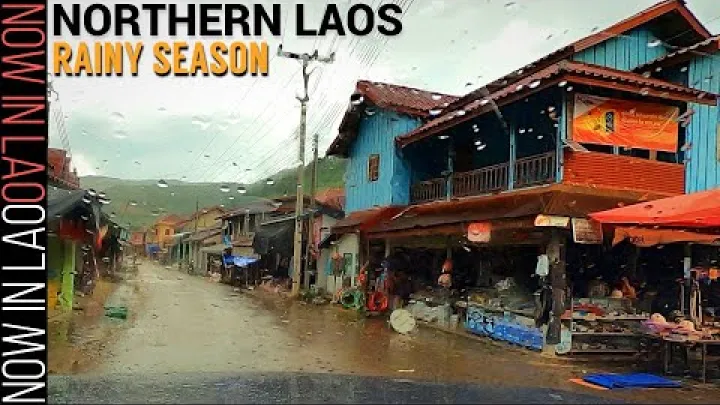
The best time to visit Muang Xay, also rendered Muang Xai, is generally from November to February. This cooler and relatively dry period is usually the easiest time for walking, exploring Oudomxay Province, and making plans in the surrounding hills. October is a useful greener and quieter alternative, while April and the wetter months from August to September involve more significant trade-offs. This guide explains Muang Xay weather by month, the practical effect of each season, and how to choose dates for your travel style.
The Best Time to Visit Muang Xay at a Glance
Muang Xay is in the mountainous north of Laos, so a good travel date is about more than temperature alone. Rain, cloud, road conditions, haze, and the difference between daytime warmth and cooler nights all affect how a stay feels. The broad seasonal pattern is useful for planning, but it cannot predict a particular week.
Best Overall Window: November to February
For most visitors, November through February is the strongest overall window. The wet season has usually eased, days are more comfortable for outdoor activity, and mornings and evenings can feel noticeably cooler than in the hottest part of the year. These conditions suit walks around town, nature outings, and longer days outside without the persistent wet surfaces and humidity common in the monsoon.

Modelled historical climate information for Muang Xay indicates a clear contrast between the drier part of the year and the wetter middle months. It is useful as a guide to seasonal direction rather than as an exact official weather record, especially in complex mountain terrain. The Meteoblue climate page makes this limitation clear for simulated tropical precipitation data.
There are trade-offs. The more comfortable dry-season period is often more popular for travel in Laos, so preferred rooms and transport arrangements may have less availability. Book earlier if your dates are fixed, particularly around year-end holidays. Weather also varies from year to year, and places above or beyond the town can feel cooler or cloudier than a city-level climate pattern suggests.
Best Shoulder-Season Alternative: October
October is often a good compromise for travelers who want landscapes that are still green after the rains but do not want to choose the wettest part of the year. Rainfall commonly declines through the month, and outdoor travel can become easier, particularly later in October. The scenery can remain lush, which appeals to photographers and visitors who prefer a quieter atmosphere.
The first part of October is less predictable than the last. Showers may still interrupt a day, and unpaved paths or rural sections can remain muddy after rain. It is a sensible choice for flexible travelers, but it does not offer the same dry-weather confidence as November or January. Plan activities that can be moved between days rather than relying on one fixed outdoor excursion.
Periods to Approach with More Caution: April and August to September
April is a trade-off month rather than a month to rule out. It is commonly hot before the main rains arrive, and northern Laos can also experience haze linked to seasonal burning. The Lao New Year period can add cultural interest and travel demand, but heat and reduced visibility may make sightseeing less comfortable.

August and much of September are usually the more challenging period for travelers whose plans depend on hiking, rural excursions, or exact overland timings. Rain can be frequent, cloud can limit views, and wet ground makes minor roads and paths less convenient. Visitors focused on green scenery, quiet travel, or potential value can still enjoy this period, but they should choose an itinerary that can absorb changes rather than treating every day as fixed.
How Muang Xay’s Northern Laos Climate Shapes a Trip
Muang Xay sits in Oudomxay Province, where the hilly northern setting gives the year a different feel from Laos’s hotter lowland areas. Broad Laos seasons remain relevant, but local elevation, slopes, and nearby hills can change comfort and conditions over short distances.
Cool, Dry Season and Hot Pre-Monsoon Months
During the cool, dry part of the year, Muang Xay can have warm afternoons followed by cooler mornings and nights. This daily range is one reason November to February works well for travelers who expect to be outside for much of the day. A light layer is useful early and late, even when midday clothing is light and breathable.
March and April bring a gradual seasonal warming. A walk that feels pleasant in the morning can become tiring by midday, especially on exposed streets or uphill routes. Carry water, use sun protection, and schedule demanding walks for earlier in the day. These are regional and modelled climate patterns, not a promise of the temperature on a particular date.
Wet Season, Mountain Roads, and Heavy Rain
The wetter season broadly runs from May to October. May and June often mark a transition, with increasing showers and greener vegetation; later wet-season months are more likely to feel persistently humid and unsettled. In Muang Xay’s hilly surroundings, rain can turn trails slippery and make rural roads slower or muddier, even when the town itself appears manageable.
Heavy rain can also be intensified by weather systems affecting northern Laos. Authorities have warned that severe rain and winds can create flooding, flash-flood, and landslide risks in affected periods, as reported by The Laotian Times. This does not mean a particular route will be affected in every wet-season visit. Before traveling into the surrounding hills during heavy-rain periods, check the latest official weather and hazard warnings, and change plans if local advice indicates a risk.
Visibility, Humidity, and the Changing Feel of the Year
Dry-season days generally feel more open and easier to plan around. Less cloud and lower humidity can improve the experience of walking, photographing landscapes, and drying clothes after a day out. Conditions are often more comfortable for being outdoors for several hours, although strong sun can still be tiring around midday.
In the wet season, clouds, damp surfaces, and humidity can shape the day as much as rainfall totals. A cooler spell during rain may not feel comfortable if clothing stays damp or paths remain slick. Mountain views may come and go quickly, so travelers interested in photography should allow more time rather than expecting one clear viewpoint on a fixed day. This kind of visibility change is weather-related and should not be confused with smoke haze.
Late Dry-Season Haze and Air-Quality Uncertainty
Haze from seasonal burning is a possible late-dry-season issue in northern Laos, particularly around March and April. Its timing, location, and severity can differ greatly between years. When haze is present, it can reduce distant mountain views and make strenuous outdoor activity less appealing, especially for people who are sensitive to smoke.
Do not treat a typical haze period as a forecast. Check current air-quality conditions close to travel, and if haze is reported, move strenuous outdoor activities to clearer days. Town-based plans, shorter walks, and indoor breaks can be more suitable than committing to a long exposed hike when air quality is poor.
Muang Xay Weather by Month
The table gives a simple planning view rather than precise daily predictions. Muang Xay climate information is limited by the availability of local observations, so the descriptions combine city-level modelled patterns with broader northern Laos seasonality.
| Months | Typical feel | Best for | Main trade-off |
|---|---|---|---|
| January–February | Cooler, drier | Walking and trekking | Cool nights; popular season |
| March–April | Hotter and dry | Culture and town stays | Heat and possible haze |
| May–June | Greener, wetter | Flexible travel | Showers and mud |
| July–September | Humid and wet | Lush, quiet travel | Rain-related disruption |
| October | Green transition | Shoulder-season trips | Residual showers |
| November–December | Drying and comfortable | Outdoor exploration | Increasing demand |
January and February: Cool, Dry, and Clearer
January and February are among the most comfortable months for a Muang Xay visit. Rain is typically less frequent, afternoons are usually warm rather than intensely hot, and the dry-season setting favors walking and trekking. February is often especially dry across northern Laos, though a regional or modelled pattern should not be read as a guaranteed rainfall figure for every part of Muang Xay.
Pack light daytime clothing, plus a thin jacket, long-sleeved layer, or light fleece for early starts and evenings. This is an excellent period for visitors who want to combine town exploration with outdoor time and do not want rain to be the main factor in the itinerary.
March and April: Warmer, Drier, and Potentially Smokier
March becomes warmer, and April can feel hot during the middle of the day. These months may still suit travelers who prefer dry conditions, but heat management becomes more important. Start active plans early, take breaks during the hottest hours, and bring water and sun protection.
There is also a variable possibility of haze in northern Laos. Travelers with respiratory concerns may find that this affects their choice of dates more than temperature does. Lao New Year, usually around mid-April, can be culturally rewarding, but exact local events should be confirmed for the travel year. It may also bring busier travel conditions and a less restful pace than the cooler dry-season months.
May and June: Early Green Season with Increasing Rain
May and June bring the early green season. Showers become more common, humidity rises, and the hills and vegetation become greener. Not every day is wet, and travelers with flexible schedules can still have rewarding visits, particularly if they value the landscape after rain.
The practical issue is timing. Plan outdoor activities with room to move them around a shower, use footwear with grip, and keep a compact rain layer accessible rather than buried in luggage. Trails and minor rural roads can become muddy, so a town-based day or a shorter outing is often easier to adapt than a long remote excursion.
July to September: Wetter, Greener, and More Disruption-Prone
July through September is the heart of the wet season. Days can be humid and cloudy, with frequent rain and occasional heavier periods. The scenery is lush, visitor numbers may be lower, and some travelers may find better value, but this is the least reliable period for a tightly timed itinerary.
Steep paths, rural travel, river crossings, and road-based excursions can be more complicated after sustained rain. August is commonly regarded as a difficult month in broader northern Laos travel guidance, while later September can begin to improve in some years. The transition is gradual, however, not a fixed annual date. Wider Laos season guidance from Adventure Life likewise describes the contrast between the dry period and the rainy travel season.
This period can work well for travelers who value greenery and do not mind changing plans. Build extra time into the schedule, avoid depending on a single weather-sensitive outing, and let local conditions determine which day is best for rural activities.
October to December: Improving Conditions and the Return of the Dry Season
October is the transition from the wet season: landscapes remain green, but the chance of rain generally declines as the month progresses. November usually offers a more established dry-season pattern and is one of the best choices for outdoor plans. December is generally comfortable for town exploration and nature activities, with cooler nights returning.
For a quick choice, choose October for a greener shoulder season with some uncertainty, November for a strong balance of scenery and reliability, and December for comfortable dry-season travel. Availability may become more limited as the dry season gains momentum, so reserve key arrangements earlier if your travel dates cannot move.
Best Months for Different Travel Priorities
The right month depends on what you want to do and how much weather uncertainty you can accept. Use the season as a decision tool rather than a strict rule.
Hiking, Trekking, and Nature Activities
November to February is the best general window for hiking, trekking, and nature activities around Muang Xay. Cooler conditions, drier footing, and a greater chance of usable views improve both comfort and feasibility. October is attractive for greener scenery, while March can still work for early starts if heat and possible haze are acceptable.
During the peak wet season, steep trails, unpaved approaches, and more remote excursions can become difficult after rain. Route conditions are not fully captured by broad climate information, so use local guidance for any specific trek or hill route. Choose an outing that matches the conditions on the day rather than assuming a route will be suitable throughout the season.
Cultural Travel and Town Stays
November to February is also the easiest period for a town-based stay, including walks between food stops, markets, temples, and everyday areas of Muang Xay. Comfortable daytime conditions make it easier to explore without arranging every activity around rain or intense heat.

Wet-season visitors can still enjoy cultural travel because covered or indoor activities remain possible, but rainfall may interrupt walking plans. April has the appeal of the Lao New Year period, although it can be hotter and busier. Festival dates and local schedules vary, so confirm relevant arrangements locally rather than assuming that a national pattern means a particular event will be held in town.
Budget Travel and Fewer Crowds
The cooler dry season is generally more popular across Laos, which can mean less choice in accommodation and transport. Exact Muang Xay pricing patterns are not established by the available information, so compare current rates directly instead of assuming that a certain month will always be cheaper.
October, March, May, and June can be useful compromises for travelers seeking lower demand without selecting the wettest months. July to September may feel quieter and can offer value, but those potential savings should be weighed against the higher chance of rain-related changes. For budget travelers, flexibility is often more useful than choosing the lowest advertised price.
Practical Planning for a Muang Xay Stay
A seasonally appropriate plan makes a short stay more comfortable. Think about daytime heat, cool evenings, wet footwear, and the reliability of onward travel, not just the chance of rain.
What to Wear and Pack by Season
For the warmer months, bring light, breathable clothing, a hat, sunglasses, and sun protection. A refillable water bottle is useful for daytime walks. For November through February, add a light jacket or warmer layer for mornings and nights, especially if you will be outside town or traveling in the hills.
From May to October, pack a compact rain jacket, quick-drying clothing, and footwear with good grip. A waterproof cover or dry bag helps protect phones, cameras, and documents during sudden showers. Choose items that work across the day: a cool morning, warm midday, and damp evening can occur within the same trip.
Climate Averages versus Live Forecasts
Climate pages describe usual patterns over time; they do not tell you what weather will occur on your travel date. This distinction matters in a mountainous area, where local rain, cloud, and temperature can differ from a broad city or regional average.
Check the current forecast and any warnings close to departure, then check again before hikes, rural trips, and wet-season journeys. Laos’s Department of Meteorology and Hydrology is responsible for meteorological, hydrological, and climate-related services and forecasts, as described in a ScienceDirect study of Laos climate services. Use official information and local advice to make date-specific decisions.
Planning Overland Connections and Surrounding-Hill Excursions
Muang Xay’s mountainous Oudomxay Province setting means that the condition of an exact route can matter as much as the weather in town. This is especially true when travel includes rural roads, hill excursions, buses, private transfers, or connections that leave little room for delay.

Confirm the condition of the exact road, bus, transfer, or rural route with accommodation staff or a transport provider on the day before departure. During heavy-rain periods, leave buffer time and avoid itineraries with tightly connected bookings. This is practical verification guidance, not a claim that any particular route is routinely closed.
Final Recommendation for Choosing Your Dates
Choose November to February for the best all-round Muang Xay weather: relatively dry conditions, cooler mornings and evenings, and easier outdoor travel. Choose October if you want greener scenery and can accept some remaining rain. March and April can suit cultural visits and flexible town stays, but expect more heat and possible haze; July to September is best reserved for travelers who value lush landscapes and can adapt to wet-weather disruption.
Whatever month you choose, use climate patterns to set expectations, then make final plans around the live forecast, air quality, and local route information. That combination gives you the best chance of a comfortable and realistic Muang Xay stay.
Select area
Create a post
Posting is free and no registration is required.