Pekanbaru Budget: Daily Travel Costs, Prices, and Tips

A realistic Pekanbaru budget depends on your hotel choice, how often you use ride-hailing, where you eat, and whether you add trips outside the city. Pekanbaru, the capital of Riau on Sumatra, is more of a regional business city than a resort destination, so many costs are shaped by local work travel, malls, restaurants, and city transport rather than beach tourism. This guide gives estimated daily spending ranges in Indonesian rupiah and explains how to adjust them for a budget, mid-range, or more comfortable trip. Treat all figures as planning ranges, then check current hotel rates, menus, transport apps, and attraction details close to your travel dates.
How Much to Budget Per Day in Pekanbaru
For most travelers, the daily cost of visiting Pekanbaru is driven by four items: accommodation, food, local transport, and small activities or incidentals. Flights, long-distance buses, airport transfers, major shopping, and private excursions should be budgeted separately.
Daily budget ranges at a glance
A practical Pekanbaru budget for in-city travel can start from a modest amount if you choose simple lodging and local meals. A mid-range traveler should plan more for a better hotel, air-conditioned restaurants, and more frequent ride-hailing. A comfortable traveler who wants better rooms, relaxed transport, and paid leisure should allow a higher daily range.
| Travel style | Estimated daily range | Typical choices |
|---|---|---|
| Budget | 250,000 to 400,000 IDR | Simple room, local meals, limited rides, low-cost sights |
| Mid-range | 480,000 to 900,000 IDR | Business-style hotel, mixed local and casual dining, regular ride-hailing |
| Comfortable | 960,000 to 1,700,000 IDR | Higher-rated hotel, cafés or restaurants, easier transport, more paid leisure |
These estimates are for one person already in the city. If two people share one room, the accommodation cost per person can be lower. If you travel solo, you usually carry the full room cost yourself.
What is included in the daily cost
The daily model in this guide includes one night of lodging, three simple meals or equivalent food spending, local transport within Pekanbaru, and a small allowance for activities or incidentals. It does not include the cost of reaching Pekanbaru by air, bus, private car, or other intercity transport.
Indonesia uses the rupiah, written as IDR. In daily conversation and on some menus, prices may be shortened, so 10,000 IDR may be spoken as “ten thousand.” Always confirm whether a displayed price includes tax and service charges, especially in hotels and larger restaurants.
Small costs can add up. Bottled water, snacks, mobile data, laundry, small entrance fees, and short rides can turn a low-cost day into a mid-range day if you do not track them.
How trip style changes the total
The same traveler can move between budget categories by changing only a few decisions. A simple hotel with local meals may keep costs low, but daily café visits, multiple ride-hailing trips, or a private excursion can raise the total quickly. A more expensive hotel can sometimes be worth it if it includes breakfast, has reliable Wi-Fi, and is close to your main plans.
For couples, friends, or families sharing rooms, accommodation may become more efficient per person. For solo travelers, the room price is usually the largest fixed cost. Business visitors may spend more on location and comfort, while backpackers or long-stay travelers may save more through simple rooms and local food.
Why Pekanbaru Costs What It Does
Pekanbaru’s price pattern is different from Indonesia’s major resort areas. It is a working city with government, commercial, and regional travel demand, so the best value is often found in practical business hotels, local restaurants, and city transport planning.
A regional business city, not a resort destination
Pekanbaru is the capital of Riau and an important city on Sumatra. It is less internationally tourism-oriented than places such as Bali, and it has fewer resort-style choices. Instead, travelers are more likely to find budget hotels, simple guesthouses, and mid-range business hotels.
This can be good for value. Many rooms are designed for domestic business travelers who need air-conditioning, private bathrooms, Wi-Fi, and breakfast rather than resort facilities. However, weekday meetings, events, and local business demand can affect prices, especially in convenient areas.
Cost differences inside the city
Location matters. Central corridors such as Jalan Jenderal Sudirman and areas near offices, shopping malls, and restaurants can be more convenient, but room rates may be higher than in quieter residential districts. If your plans are focused around meetings, malls, or short city visits, a central hotel can reduce time and ride costs.
Outer neighborhoods may offer lower room or food prices, but they can increase transport spending. Before booking, compare the hotel location on a map with your planned activities, such as the Siak River area, An-Nur Great Mosque, Balai Adat Riau, or the airport side of the city.
Seasons, weekends, holidays, and events
Hotel and transport costs can change during Indonesian national holidays, school holidays, long weekends, conferences, and major local or business events. Ramadan and Eid can also change travel patterns, opening hours, and demand, although the effect is not the same for every hotel or service.
For holiday periods, book earlier and compare several dates if your schedule is flexible. For regular city travel, check weekday and weekend rates because business demand and leisure demand do not always move in the same way.
Accommodation Costs in Pekanbaru
Accommodation is usually the biggest part of a Pekanbaru travel budget. The ranges below are estimates for planning, not guaranteed rates. Current prices depend on date, location, booking platform, taxes, room type, and availability.

Budget hotels and simple guesthouses
Budget lodging in Pekanbaru often means simple private rooms in small hotels, guesthouses, or basic city properties. A cautious planning range is about 150,000 to 250,000 IDR per night. Some rooms may be cheaper or more expensive depending on demand and quality.
At this level, check details carefully. Air-conditioning, hot water, Wi-Fi reliability, breakfast, room size, and cleanliness can vary. Read recent reviews rather than relying only on photos. A very cheap room far from your plans may not save money if you need several extra rides each day.
Mid-range and business hotels
Many visitors will find the mid-range tier the best balance of comfort and price. A planning range of about 300,000 to 550,000 IDR per night can cover many business-style options, although current rates should always be checked.
This tier often offers private bathrooms, air-conditioning, better security, more predictable Wi-Fi, and sometimes breakfast. Breakfast matters because it can reduce your daily food budget and simplify mornings. Weekday business demand can affect prices, so compare your exact dates before booking.
Comfortable hotels and higher-end stays
Comfortable stays in Pekanbaru are usually better city hotels or higher-rated business hotels rather than resort-style luxury. A planning range of 600,000 to 1,000,000 IDR or more per night is reasonable for this category, with suites, peak periods, and event dates sometimes exceeding it.
The extra spending may buy larger rooms, stronger service, a breakfast buffet, pool, gym, on-site restaurant, easier airport access, or meeting facilities. For short business trips or late arrivals, the convenience can be worth more than the room rate alone.
Hidden lodging costs to check before booking
Before confirming a hotel, check whether the listed rate includes tax, service charges, breakfast, deposits, and cancellation rights. Also check early check-in, late check-out, laundry, airport transfer, and parking policies if they matter to your trip.
A slightly more expensive hotel can be cheaper overall if it includes breakfast, has a better location, or reduces daily ride-hailing costs. Recent guest reviews are useful for practical issues such as air-conditioning, noise, cleanliness, and Wi-Fi.
Food and Drink Prices in Pekanbaru
Food can be very manageable in Pekanbaru if you eat local meals. Costs rise when you move toward cafés, mall restaurants, imported products, and hotel dining.
Local meals at warungs and Padang restaurants
Local warungs and Padang restaurants are usually the best value for budget travelers. A simple local meal may cost around 20,000 to 30,000 IDR, but meat, fish, extra side dishes, special drinks, or larger portions can increase the bill.
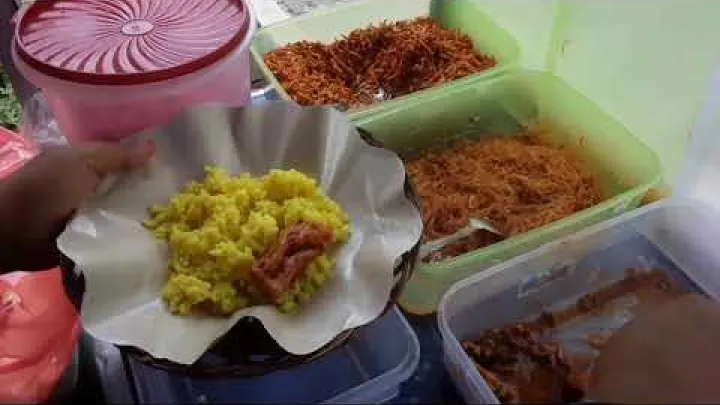
Common low-cost choices can include rice with side dishes, fried rice, fried noodles, chicken noodles, satay, tea, and bottled water. At some Padang-style restaurants, the bill depends on the dishes you select or eat, so ask if you are unsure how pricing works.
Cafes, malls, and casual restaurants
Modern cafés, shopping malls, and casual restaurants cost more than simple local eateries, but they offer air-conditioning, seating, Wi-Fi, and familiar menus. A coffee may cost around 20,000 to 40,000 IDR, while a casual restaurant meal may be around 40,000 to 80,000 IDR per person.
These choices are not a mistake; they are a comfort decision. A mid-range traveler who has one local meal, one mall meal, coffee, and snacks can easily spend 100,000 to 200,000 IDR on food and drink in a day.
Water, snacks, groceries, and alcohol
Bottled water, local snacks, fruit, instant noodles, and basic groceries are usually affordable from convenience stores, supermarkets, and markets. Buying larger water bottles or simple supplies can reduce small daily purchases.
Imported foods and specialty products can cost much more than local alternatives. Alcohol is also less visible than in heavily tourism-focused destinations and can be expensive when bought in hotels or specialized venues. If alcohol is part of your travel routine, include it as a separate budget line rather than assuming it will cost the same as a local meal.
Local Transport and Access Costs
Pekanbaru is spread out and can be hot and humid, so many travelers use motorized transport instead of walking long distances. Transport spending depends on distance, time of day, traffic, weather, and how well you group activities.
Getting around the city
Practical local transport options may include ride-hailing motorcycles or cars, taxis, local buses or minibuses where convenient, and walking for short distances. Because fares can change, check ride-hailing apps and local information when you arrive.
| Travel style | Estimated daily local transport | Typical pattern |
|---|---|---|
| Budget | 20,000 to 50,000 IDR | Few short rides, grouped activities, some walking |
| Mid-range | 40,000 to 100,000 IDR | Regular ride-hailing for meals, malls, and sights |
| Comfortable | 80,000 to 200,000 IDR | More car rides, less walking, flexible timing |
Short rides can feel inexpensive individually, but several rides per day can become a major cost. If you are staying far from your main plans, transport may erase the savings from a cheaper hotel.
Airport and intercity travel as separate costs
Sultan Syarif Kasim II International Airport is the main air gateway for Pekanbaru. Flights, airport transfers, and onward intercity travel are not included in the daily city budget in this guide.
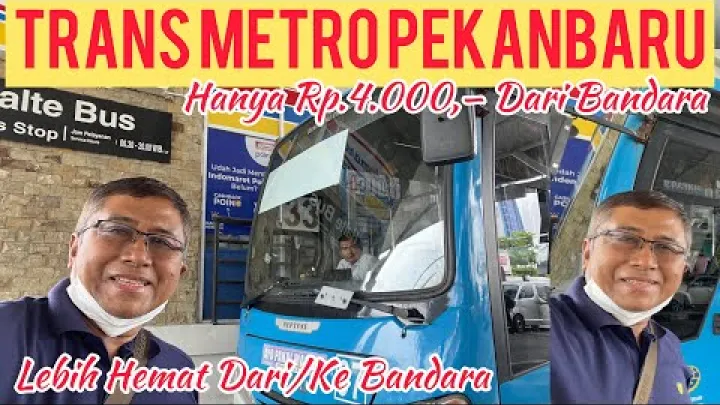
If Pekanbaru is a stopover or a gateway to wider Sumatra, create a separate arrival and departure budget. Flight and intercity fares can change strongly with booking date, holidays, and demand, so check current operators and schedules before you travel.
Ways to reduce transport spending
The easiest way to reduce transport costs is to group plans by area. Visit nearby sights, restaurants, malls, or meetings on the same day instead of crossing the city repeatedly.
Choose accommodation near your main purpose: business meetings, malls, airport access, family visits, or city sightseeing. Paying a little more for location can be sensible if it removes several daily rides. Long walks may not be realistic in hot or rainy conditions, so plan savings around smart location choices rather than assuming you will walk everywhere.
Activities, Sightseeing, and Day Trip Costs
Pekanbaru can be explored on a modest activity budget if you focus on city sights and everyday local experiences. Costs rise when you add paid leisure, mall entertainment, or excursions outside the city.
Low-cost sights in the city
Potentially low-cost or free experiences include respectful visits to An-Nur Great Mosque, time around the Siak River area, Balai Adat Riau, local markets, parks, and everyday city walks. Entry rules, opening hours, dress expectations, and fees can change, so check before visiting.
For many city sights, transport may cost more than the entrance fee. This is why location planning is important. If you group nearby places together, sightseeing can remain inexpensive.
Paid leisure, malls, and local entertainment
Paid leisure may include water parks, cinemas, mall activities, cafés, small museums, or recreational venues. A cautious daily activity allowance is about 20,000 to 40,000 IDR for budget travelers, 40,000 to 80,000 IDR for mid-range travelers, and 80,000 to 150,000 IDR for more comfortable days, excluding major excursions.
Malls are convenient but can combine several types of spending at once: coffee, meals, entertainment, shopping, and transport. If you are controlling costs, decide in advance whether the mall visit is for a meal, an activity, or shopping.
Excursions outside Pekanbaru
Trips outside Pekanbaru are a major variable cost. They may require a hired car, driver, fuel, tolls, guide, or long travel time. Muara Takus is one example of a regional excursion that should be budgeted separately from normal in-city spending.
Before committing to an excursion, compare self-organized transport, private car hire, and any available local tour options. A single day trip can turn a budget day into a mid-range or comfortable spending day, especially if you are traveling alone and cannot share transport costs.
Sample Pekanbaru Budgets by Trip Length
Trip length changes how costs feel. A one-night stopover is often dominated by hotel and access costs, while a two- or three-day visit gives you more room to balance local meals, sightseeing, and transport.
One-night stopover budget
For a one-night stopover, plan for one hotel night, two or three meals, airport or local transport, water, snacks, and small incidentals. Airport convenience may matter more than sightseeing value, especially if you arrive late or depart early.
A simple stopover can fit near the lower daily range if you use budget accommodation and local meals. However, airport-related transport and awkward timing can push costs higher, so keep airport transfers separate from ordinary in-city transport estimates.
Two- or three-day city visit budget
A short city visit might include a central hotel, local food, ride-hailing, low-cost sights such as the Siak River area or An-Nur Great Mosque, and one or two paid leisure activities. Accommodation usually dominates the total, especially for solo travelers.
| Trip length | Budget style | Mid-range style | Comfortable style |
|---|---|---|---|
| 2 days | 500,000 to 800,000 IDR | 960,000 to 1,800,000 IDR | 1,920,000 to 3,400,000 IDR |
| 3 days | 750,000 to 1,200,000 IDR | 1,440,000 to 2,700,000 IDR | 2,880,000 to 5,100,000 IDR |
These totals are simple multiplications of the daily ranges and do not include flights, airport transfers, large shopping, or private excursions. You can also mix styles: for example, use a mid-range hotel but eat mostly local meals.
Longer stays and visitors staying with friends or family
Visitors staying with friends or family may spend much less because accommodation is reduced or removed. Remaining costs can include meals outside the home, ride-hailing, mobile data, laundry, gifts, shared outings, and contributions to hosts.
For longer stays, some travelers may look for monthly rentals or negotiated hotel rates, but these need current local checking. Students, remote workers, temporary business visitors, and family visitors have different needs, so compare comfort, location, internet, laundry, and transport before choosing the cheapest option.
Money, Payments, and Practical Saving Tips
Good money planning in Pekanbaru is mostly about using rupiah, carrying enough cash for small purchases, and controlling the costs that repeat every day.
Cash, cards, and currency planning
Plan prices in Indonesian rupiah because exchange rates change over time. Carry some cash for local eateries, markets, small transport, tips, and minor fees. Cards are more likely to be accepted at hotels, malls, and larger businesses, but acceptance is not universal.
Before relying on one payment method, check ATM fees, card acceptance, daily withdrawal limits, and your bank’s foreign transaction charges. Keep small denominations available because small vendors may not be able to change large notes easily.
Biggest cost drivers to control
The biggest cost drivers in a Pekanbaru travel budget are hotel category, hotel location, café and mall dining, frequent ride-hailing, alcohol, imported goods, event-period hotel rates, and private day trips. You do not need to reduce all of them. Choose the ones that matter least to your comfort.
Good savings tactics include mixing local meals with occasional café visits, booking a hotel with breakfast, grouping activities by area, checking ride estimates before leaving, and avoiding unnecessary cross-city trips. Business travelers may prioritize location and Wi-Fi. Families may prioritize room size and convenient food. Stopover visitors may prioritize airport access. Budget travelers may prioritize local meals and simple lodging.
What to verify before you travel
Before your trip, check current hotel rates, breakfast inclusion, taxes, recent menu prices, ride-hailing estimates, airport transfer costs, attraction fees, holiday dates, and cancellation rules. Pekanbaru-specific public price information can be less abundant than for Indonesia’s larger tourist destinations, so live checking is important.
Use booking platforms, recent guest reviews, transport apps, and official venue pages where available. Treat the figures in this guide as planning ranges, not guaranteed quotes.
Final Budget Advice for Pekanbaru
A sensible Pekanbaru budget starts with your hotel decision, then adds food, transport, and activities around your actual plans. Budget travelers can keep costs low with simple rooms, warungs, Padang restaurants, and grouped activities. Mid-range travelers can get strong value from business-style hotels, mixed dining, and ride-hailing. Comfortable travelers should budget more for better hotels, easier transport, and relaxed leisure.
The best way to avoid surprises is to check live prices shortly before booking, especially around holidays, events, and peak travel periods. With realistic ranges and flexible choices, Pekanbaru can be planned as an affordable city stop, a practical business base, or a short gateway to wider Riau and Sumatra.
Select area
Create a post
Posting is free and no registration is required.