Palembang Best Time to Visit: Weather and Month-by-Month Guide

The Palembang best time to visit is mainly a question of rain, not temperature. This South Sumatra city stays hot and humid through the year, so the most practical travel months are the ones with more reliable dry intervals. In this guide, you will learn when to visit Palembang for sightseeing, Musi River views, food trips, budget travel, and flexible rainy-season plans.
Quick Answer: The Best Time to Visit Palembang
If you want the shortest answer, choose the relatively drier middle months of the year. Palembang can still have showers at any time, but some months are much easier for walking, riverfront plans, and outdoor photos.
Best Overall Window: June to September
For most travelers, June to September is generally the best time to visit Palembang. This recommendation matches the practical travel guidance from Holidify, which points to June through September as the preferred period for visiting the city.

The reason is simple: these months are usually relatively drier and more reliable than the core rainy season. That makes it easier to plan city sightseeing, walks near the Musi River, evening views of Ampera Bridge, markets, and short outdoor visits without building the whole day around heavy rain.
This does not mean Palembang becomes dry, cool, or low-humidity. It remains a tropical city. You should still expect heat, sticky air, strong sun, and occasional showers even in the best travel window.
Good Shoulder Options: Late May and Early October
Late May and early October can work for flexible travelers who want a compromise between weather, availability, and possible value. These months sit close to seasonal transitions, so they can vary more from year to year than July or August.
Late May may begin to feel more manageable than the wettest months, but it is not reliably dry. Early October can still be workable in some years, but rain risk often increases as the month moves toward the wetter season.
Choose these shoulder periods if you can adjust daily plans around showers. They are not the safest choice for a tight itinerary, an outdoor event, or a short visit where every hour matters. Check updated forecasts close to your travel dates.
Harder Months: November to April
November to April is generally the wetter part of the year in Palembang. During these months, heavy showers and thunderstorms are more likely to affect walking, road travel, outdoor photography, and river-related plans.
Rainy-season travel is not impossible. It can still suit business trips, food-focused visits, indoor attractions, family visits, and travelers who do not mind waiting for breaks in the weather. It is harder for visitors with fixed outdoor plans or same-day onward travel.
If you visit from November to April, build in more flexibility. Choose accommodation that reduces long transfers, keep indoor alternatives ready, and avoid scheduling your most important outdoor activity with no backup time.
Palembang Climate at a Glance
Palembang has an equatorial tropical climate. The city is not defined by a cool winter and hot summer. Instead, it is defined by heat, humidity, and changing rainfall patterns.
Hot and Humid All Year
Palembang is hot and humid in every month. Climate-normal data for Palembang's Sultan Mahmud Badaruddin II station, listed by the Japan Meteorological Agency, shows that monthly average temperatures do not change dramatically through the year.
For visitors, the important point is how the weather feels. Daytime conditions often feel warm to very hot because humidity is high. Nights may be less intense than afternoons, but they are not cool in the temperate-climate sense.
If you are coming from a cooler country, do not pack for a cold season. Pack for tropical heat, sun exposure, and sudden rain.
Rainfall Is the Main Seasonal Difference
Rainfall is the main factor that changes travel comfort in Palembang. Climates to Travel describes Palembang as hot, humid, and rainy year-round, with more frequent and abundant rain from November to April and less rain in the mid-year months.
It is useful to think in terms of a rainy season and a relatively drier season. The drier season does not mean no rain. It means showers are usually less disruptive and there are better chances of usable dry periods.
This matters for practical reasons. Rain can make walking uncomfortable, slow traffic, reduce visibility for photos, and make riverfront plans less pleasant. A dry interval can be more valuable than a slightly lower temperature.
Climate Averages Are Not Daily Forecasts
Monthly climate averages help you choose the best season, but they cannot tell you what will happen on a specific travel day. A relatively drier month can still have a storm. A wet month can still have sunny breaks.
This is especially important in transition months such as May and October. Year-to-year patterns can differ, and a single week can feel better or worse than the monthly average suggests.
Before river activities, long outdoor plans, airport transfers, or fixed events, check updated weather forecasts and local alerts. Use climate patterns for planning the season, then use current information for daily decisions.
Dry Season, Rainy Season, and Transition Months
For travel planning, it is better to divide Palembang's year into three practical periods: a relatively drier window, a rainier window, and two variable transition months.
June to September: Drier and More Reliable
June through September is usually the easiest period for sightseeing in Palembang. The lower rain risk improves the chance of dry intervals for Ampera Bridge views, Musi River waterfront areas, markets, and short outdoor visits.
These months are also useful for travelers who prefer not to plan everything around taxis and indoor stops. You still need sun protection, but you have a better chance of walking between nearby places without being stopped by heavy rain.
August and September may feel sunnier and hotter than earlier months. If you are sensitive to heat, June or July may be a better balance than the late dry-season period.
November to April: Rainier and More Disruptive
November to April is the main rainy season for practical travel planning. Rain may arrive as heavy showers or thunderstorms, and it can affect walking, road travel, river activities, and outdoor photography.
This does not mean every day is ruined. Tropical rain can come in bursts, and dry breaks are possible. The challenge is uncertainty. A plan that works in June may need more waiting time in December or February.
Low-lying areas near the Musi River deserve extra caution during very wet periods. Avoid assuming that all parts of the city will have problems, but allow more time and check current local updates if you are moving around during heavy rain.
May and October: Variable Shoulder Months
May and October are shoulder months. May can still feel wet, especially earlier in the month, but conditions may gradually become more manageable as the mid-year period approaches.
October can begin as a workable month in some years, especially early October, but the risk of returning rain increases as the season changes. Late October is usually less dependable than late September.
These months are best for travelers who can adapt. Keep backup indoor plans, avoid over-scheduling, and check the forecast frequently during the week of travel.
Month-by-Month Feel in Palembang
The table below gives a simple planning overview. It is not a daily forecast, but it helps compare the general feel of each part of the year.
| Months | Typical feel | Travel planning note |
|---|---|---|
| January to March | Wet, humid, often cloudy | Use indoor-heavy plans and flexible timing |
| April to May | Wet to transitional | Late May can be more workable, but rain remains possible |
| June to July | Relatively drier, still hot | Good balance for first-time visitors |
| August to September | Drier, sunnier, hot | Best for rain-sensitive plans, but manage heat |
| October to December | Returning rain, increasing disruption | Add buffers for transfers and outdoor plans |
January to March: Very Wet but Slightly Less Harsh Sun
January to March is usually wet, humid, and often cloudy. The sun may feel less harsh at times because of cloud cover, but rain disruption is a bigger issue for travelers than small temperature differences.
These months are better for indoor-heavy itineraries, food exploration, work trips, and flexible visits. If you want to see the city, plan outdoor activities during dry breaks rather than assuming a full day of stable weather.
Bring reliable rain protection, quick-drying clothing, and footwear that can handle wet streets. Short dry breaks can happen, but you should not depend on them for time-sensitive plans.
April to May: Wet to Transitional
April is still generally wet for travel planning. May is a transition month, and late May can become more practical than the core rainy-season months in some years.
The improvement in May should not be overstated. Showers can still interrupt walking, traffic can slow during heavy rain, and outdoor plans need flexibility.
If you travel in April or May, carry a small umbrella or light rain layer every day. Schedule your most important outdoor plans when the forecast looks most stable, and keep indoor alternatives ready.
June to July: Better Balance for Sightseeing
June and July are strong months for first-time visitors. Rain risk is usually lower than in the core wet season, while the heat may feel more manageable than in the sunnier late dry-season months.
These months suit city walks, riverside views, food exploration, markets, and short outdoor visits. They are also practical for travelers who want to move around the city without constantly changing plans because of rain.
Even in June and July, avoid planning all outdoor activity at midday. Morning and late-afternoon periods are usually more comfortable for walking and photography.
August to September: Driest, Sunnier, and Hot
August and September are among the most practical months for rain-sensitive plans in Palembang. If your priority is a lower chance of rain during outdoor sightseeing, this period is very attractive.
The trade-off is heat and sun exposure. Fewer showers do not automatically mean greater comfort, especially for travelers who are sensitive to heat or humidity.
Use sun protection, drink water regularly, and take indoor breaks during the hottest part of the day. Showers can still occur, so keep a light rain option in your day bag.
October to December: Heat, Returning Rain, and Peak Wet Conditions
October is transitional and often hot, with rain risk increasing as the month progresses. Early October can still work for flexible visitors, but it is less dependable than August or September.
November and December move deeper into the wetter part of the year. Outdoor events, river outings, walking routes, and transfers may need more time buffers.
If your travel dates are fixed during this period, focus on adaptable planning. Put the most weather-sensitive activities earlier in the day when conditions look favorable, and avoid same-day connections that leave no room for delays.
Best Time to Visit by Travel Purpose
The best month depends on what you want to do. A traveler focused on food and indoor culture can accept more rain than someone planning riverfront walks and outdoor photography.
General Sightseeing, Markets, and Heritage Areas
For general sightseeing, markets, and heritage-focused travel, June to September is the most practical window. Lower rain risk makes it easier to move around Palembang and spend time outdoors without constant schedule changes.
Palembang's river-city setting is part of its appeal, so weather affects the experience. Views near the Musi River and Ampera Bridge are easier to enjoy when rain is less frequent.
Wetter months can still work if you use taxis or ride-hailing services, choose indoor stops, and keep plans flexible. Cultural and food-focused trips are more rain-tolerant than nature-heavy trips.
Musi River, Kemaro Island, and Outdoor Activities
For Musi River views, boat-related plans, Kemaro Island visits, parks, and riverfront walks, choose the relatively drier months when possible. June to September gives you the best chance of more comfortable outdoor timing.
During the wet season, rain, thunderstorms, and river conditions may affect comfort or timing. Before arranging a river trip, check current conditions locally rather than relying only on a seasonal average.
Palembang is primarily a river and city destination. It is not a beach or cool highland hiking destination, so the main weather questions are rain, heat, humidity, and river conditions.
Budget Travel and Hotel Prices
Weather and prices do not always align perfectly. Wetter months or shoulder periods may sometimes offer better hotel value, but rates also depend on holidays, events, booking timing, and local demand.
Hotel search platforms such as KAYAK show that Palembang hotel prices can vary by month, but any specific price snapshot should be treated as temporary rather than a permanent rule.
If you are a budget traveler, compare rates across several dates. Then decide whether the savings are worth the higher rain risk. A cheaper rainy-season stay can be a good deal if your itinerary is flexible and not heavily outdoor-focused.
Heat-Sensitive Travelers and Air Quality Concerns
Heat-sensitive travelers may prefer June or July. These months often offer a good balance: lower rainfall than the wet season without the strongest late dry-season sun.
Air quality can vary, and it should not be judged only from climate averages. Sensitive travelers, families with young children, and visitors with respiratory concerns should check real-time air quality close to departure and during the trip.
Keep health planning general and practical. If conditions are uncomfortable, schedule more indoor time, reduce long outdoor walks, and choose air-conditioned breaks during the hottest parts of the day.
Practical Packing and Daily Planning Tips
Packing for Palembang is about managing heat, humidity, rain, and short local transfers. Heavy clothing and complicated gear are usually less useful than light, quick-drying basics.
What to Wear in Hot, Wet Weather
Wear light, breathable, quick-drying clothing. Loose shirts, lightweight trousers, skirts, or dresses are usually more comfortable than thick fabrics. Choose items that dry quickly after a shower or a humid walk.
For religious or traditional sites, bring modest clothing options that cover shoulders and knees when appropriate. A light scarf or outer layer can be useful without adding much weight.
Pack a small umbrella or lightweight rain layer instead of heavy rainwear. For footwear, choose comfortable sandals or shoes with grip that can handle wet pavement.
How to Schedule Days Around Heat and Showers
Plan outdoor activities early in the morning or late in the afternoon when the heat is usually less intense. Morning market visits and late-day river views are often more comfortable than midday walks.
Use the hottest or stormiest part of the day for indoor stops, meals, shopping, museums, cafes, or rest. This approach works in both the wetter season and the relatively drier season.
Avoid over-scheduling. Leave flexible blocks in your itinerary so you can wait out a shower, take a break from heat, or move an outdoor plan to a better time.
Getting Around During Rainy Months
Heavy rain can make walking less comfortable and may slow local travel. Even if your destination is not far away, wet streets and traffic can add time.

During rainy months, add buffers for airport transfers, meetings, intercity departures, and fixed reservations. This is especially important if you are traveling with luggage or need to cross the city.
When visiting in the rainy season, choose accommodation with convenient access to the places you most want to visit. A central or well-located hotel can reduce the impact of sudden weather changes.
When to Reconsider Dates or Add Extra Flexibility
You do not always need to cancel rainy-season travel. However, some situations call for more caution, more schedule space, or a different month if you have the choice.
Flooding, Thunderstorms, and River Conditions
Palembang is a low-lying river city, and the wet season can increase the chance of localized flooding or difficult river conditions. Earth.Org notes the Musi River as an important local flood factor during rainy-season months, especially from November to April, in its Palembang risk overview.
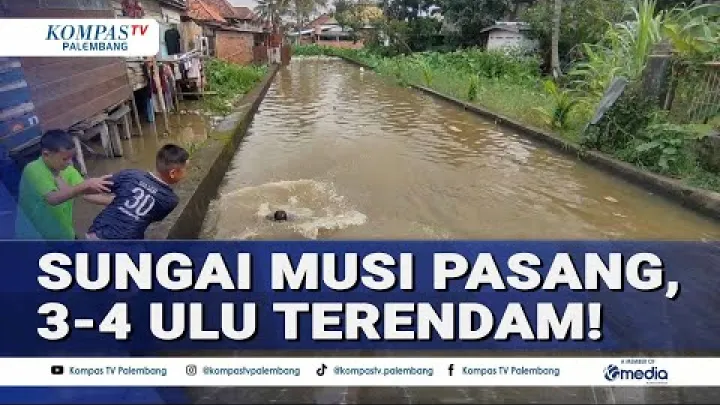
This does not mean the whole city floods every time it rains. The useful takeaway is risk awareness. Heavy rain can affect low-lying areas, travel time, and outdoor comfort.
Before fixed outdoor events, river trips, same-day onward travel, or important appointments during wet months, check local updates and allow extra time. If your plans are highly weather-sensitive, June to September is safer.
Late Dry-Season Heat and Possible Haze
August to October can be attractive because rainfall is often lower than in the wet season. However, these months can also feel hotter and sunnier, so lower rain does not always mean better comfort.
Haze or poor air quality can vary from year to year and should be checked close to travel dates. Real-time monitoring from services such as AQICN can help sensitive travelers make day-by-day decisions.
If air quality is poor, plan indoor alternatives, shorten long outdoor walks, and avoid scheduling your most active plans during the hottest part of the day.
Tight Itineraries, Events, and Same-Day Transfers
If your itinerary is tight, choose June to September when possible. This is especially helpful for short visits, business meetings, events, or travelers who need same-day transfers.
In wet months, add extra buffers around airport transfers, fixed meetings, river activities, and intercity travel. Do not build a schedule that depends on perfect weather and fast movement across the city.
Flexible travelers can still visit outside the best window. The key is to accept that some plans may need to move, shorten, or shift indoors.
Final Recommendation for Palembang's Best Travel Season
The best overall time to visit Palembang is June to September, with June and July offering a good balance for many visitors and August to September offering some of the most reliable dry-season conditions. Late May and early October can work as shoulder options if you are flexible.
November to April is the harder period because rain is more likely to disrupt walking, road travel, river plans, and outdoor events. It can still be worthwhile for food, culture, business, and indoor-focused trips, but you should plan with more buffers.
For the most comfortable Palembang trip, choose the relatively drier months, pack for tropical heat and sudden rain, and check current forecasts before weather-sensitive plans. That approach gives you the best chance of enjoying the Musi River setting, Ampera Bridge views, and the city without avoidable weather stress.
Select area
Create a post
Posting is free and no registration is required.