Palu Getting There: Flights, Ferries, Buses, and Arrival Tips

Palu getting there is mostly a question of choosing between speed and flexibility. For most visitors, the easiest route is a domestic flight to Mutiara SIS Al-Jufrie International Airport (PLW), usually through Jakarta, Makassar, or another Indonesian hub. Ferries and buses can work, especially for budget travelers or people already moving around Sulawesi, but they need more time, local checking, and buffer days. This guide compares the main routes to Palu, explains the key gateways, and helps you plan the last step into central Palu.
How to Choose Your Route to Palu
Your best route depends on where you start, how much time you have, and how comfortable you are with multi-leg travel. Palu is not difficult to reach, but some options are much easier to plan than others.
Best Options by Speed, Cost, and Simplicity
Flying is usually the simplest and fastest way to get to Palu. If you are arriving from outside Indonesia, the most straightforward plan is normally to enter through Jakarta or another major Indonesian airport, then connect to Palu by domestic flight. This reduces the number of separate bookings and avoids the uncertainty of long-distance sea or road schedules.
Ferry travel to Pantoloan Port can make sense if you are starting from Surabaya or if you want a slower, lower-cost sea journey. Bus and road travel are most useful for travelers already in Sulawesi, especially those coming from Makassar, Mamuju, or other regional points. These routes can be cheaper in cash terms, but they cost more in time and energy.
| Route type | Best for | Main trade-off |
|---|---|---|
| Flight to PLW | First-time visitors and short trips | Usually easiest, but fares change |
| Ferry to Pantoloan | Slow travelers and flexible budgets | Long journey and schedule risk |
| Bus or road | Travelers already in Sulawesi | Long hours and variable road conditions |
| Mixed train, ferry, and bus | Flexible overland travelers | Several separate connections |
If you are visiting Palu for work, study, a family visit, or a short holiday, choose the flight unless you have a strong reason not to. If Palu is one stop in a wider Sulawesi or Indonesia journey, ferry and road options become more interesting.
Current Checks to Make Before Departure
Before you travel, check the current schedule, fare, departure point, arrival point, baggage rules, and weather conditions. Flight information is usually easier to confirm online than ferry or bus information. Ferry and long-distance bus details may require checking with operators, ticket offices, local agents, accommodation staff, or recent booking platforms.
For flights, compare airline websites and flight-search tools, then check flight status on the travel day. For ferries, confirm the ship, sailing date, ticket class, and port reporting time. For buses, confirm the operator, boarding point, seat type, luggage policy, and exact Palu drop-off point.
Build buffer time into your route. This matters if you are connecting from an international arrival to a domestic flight, from a train to a ferry, or from a ferry to an onward flight. A missed connection can be expensive when the next departure is not frequent.
Palu Arrival Gateways
Palu has three practical long-distance arrival gateways: the airport, the port area at Pantoloan, and the road network through Central Sulawesi. Each gateway has different planning needs.
Mutiara SIS Al-Jufrie International Airport
Mutiara SIS Al-Jufrie International Airport, with airport code PLW, is Palu's main air gateway. Flight-search information from Google Travel identifies it as the major airport serving Palu City and places it close to the city center, making it the most practical arrival point for most travelers.
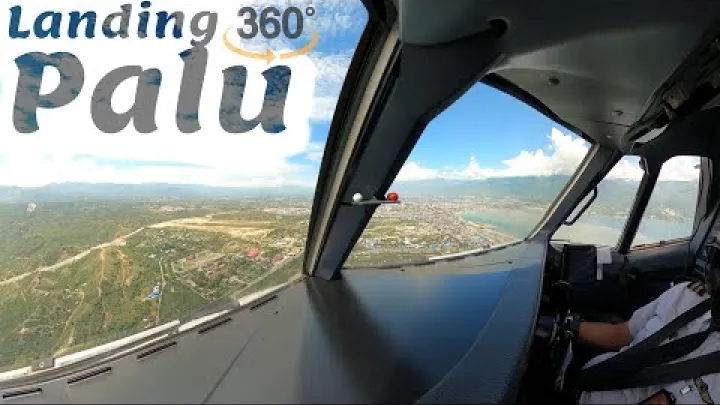
The word international in the airport name does not mean that every visitor will find a convenient direct international flight to Palu. In practice, many travelers route through larger Indonesian gateways such as Soekarno-Hatta International Airport (CGK) in Jakarta, Sultan Hasanuddin International Airport (UPG) in Makassar, or Juanda International Airport (SUB) in Surabaya before continuing to PLW.
On the day you fly, check live arrivals, departures, delays, and cancellations. Flightradar24 provides operational context for PLW, but your airline remains the most important source for boarding time, gate changes, baggage rules, and rebooking.
Pantoloan Port
Pantoloan Port is the practical sea gateway for travelers arriving in the Palu area by ferry. It is not the final step for most visitors, because you still need a road transfer from the port to accommodation in Palu.

Ferry information can change because of weather, vessel rotation, port operations, and demand. Openferry lists Pantoloan as a ferry destination and notes that weather can affect ferry operations. Treat any published route or timing as something to confirm close to travel, especially if you have a fixed appointment after arrival.
If you arrive by sea, plan the port-to-city transfer before you board if possible. This is especially important for late arrivals, heavy luggage, or after a long sailing when you may not want to negotiate transport while tired.
Trans-Sulawesi Road Access
Road access to Palu is most relevant for travelers already in Sulawesi or those combining land and sea travel. The Trans-Sulawesi Highway and regional corridors link Palu with places such as Makassar, Mamuju, and other cities, but distances are long and travel is usually much slower than flying.
Road travel can be useful if your wider itinerary already includes western or central Sulawesi. It also gives more flexibility for staged travel. However, it requires patience because travel times can vary with traffic, stops, rain, roadworks, and local road conditions.
Before committing to a bus or private road journey, check the current route locally. Ask the operator about the departure point, arrival point, planned stops, and whether the journey runs overnight. For self-drive, check road conditions and avoid assuming that map distance equals easy travel time.
Flying to Palu
Air travel is the best default choice for Palu. It is the clearest option to book, the easiest to compare, and the most suitable for travelers with limited time.
Jakarta to Palu by Air
Jakarta is often the main entry point for international travelers continuing to Palu. The route from Soekarno-Hatta International Airport (CGK) to Mutiara SIS Al-Jufrie International Airport (PLW) is usually the most straightforward long-distance option when direct domestic flights are available.
Route-level flight information from FlyTeam shows airline and schedule context for Jakarta to Palu, but exact departures should be checked again before booking. Airline pages, including Garuda Indonesia, can also be useful for current fare searches and baggage conditions.
If you arrive in Jakarta on an international flight, avoid a very tight same-day connection. You may need time for immigration, baggage collection, customs, terminal movement, check-in, security, and possible delays. Palu is in Central Indonesia Time, one hour ahead of Jakarta, so check all times carefully when comparing flights and accommodation check-in.
Makassar and Surabaya Connections
Makassar is one of the most important air hubs for reaching Palu from within eastern Indonesia. Sultan Hasanuddin International Airport (UPG) is often a logical connection point if you are already in Sulawesi, Maluku, Papua, or another eastern Indonesian region.
Surabaya can also work as a gateway. From Juanda International Airport (SUB), you may find air connections to Palu directly or through another Indonesian hub depending on the current schedule. Surabaya is also relevant for ferry planning because of Tanjung Perak Port, but flying from Surabaya is far faster than combining port transfers and a long sea journey.
If you book separate tickets, allow extra time. Separate tickets can mean collecting baggage, changing terminals, checking in again, and accepting the risk that one airline may not protect your next flight if the first one is delayed.
Flight Booking and Connection Practicalities
Flight fares to Palu change with season, booking window, demand, airline, route, baggage allowance, and ticket rules. Compare a flight-search tool with the airline website, then make the final decision based on total cost, not only the first fare shown. Baggage, seat selection, payment fees, and cancellation rules can change the real price.
For an easier arrival, choose daylight flights when possible. Daylight arrivals make it simpler to find a taxi, contact your hotel, and understand your surroundings. This is especially helpful if it is your first time in Palu or if you are arriving with children, work equipment, or large bags.
Save your booking confirmation offline, keep your passport or ID accessible for domestic travel checks, and monitor your flight status on the travel day. If the route is not frequent, a cancelled or delayed flight can affect your full itinerary.
Getting to Palu by Ferry
Ferry travel is possible, but it is better for flexible travelers than for short visits. It can reduce cash cost in some cases, yet it adds time, uncertainty, and comfort considerations.
Surabaya to Pantoloan by Sea
Surabaya's Tanjung Perak Port is the main practical departure point for many sea journeys toward the Palu area. Openferry provides port and route-planning context for Tanjung Perak, which is useful when organizing the first stage of a ferry journey.
The route concept is simple: reach Surabaya, travel to Tanjung Perak Port, board a long-distance ferry to Pantoloan, then continue by road into Palu. The practical reality is more complex. You need to confirm the ship, sailing date, ticket class, reporting time, luggage rules, and onward transfer from Pantoloan.
This option is usually much slower than flying. It may suit travelers who are already in Java, have flexible dates, want to save money, or prefer slow travel. It is not ideal if you need to arrive in Palu for a fixed meeting, flight, class, or event without several buffer days.
Jakarta to Palu with Train or Ferry Connections
From Jakarta, an overland and sea route is possible but involves several separate legs. A typical route is Jakarta to Surabaya by train or bus, Surabaya city to Tanjung Perak Port by local transport, ferry from Tanjung Perak to Pantoloan, and road transfer from Pantoloan to Palu.
This is best for travelers who enjoy complex routes and have time to recover from delays. It is not a simple substitute for a domestic flight. If a train or bus reaches Surabaya late and you miss the ferry, the next suitable sailing may not be immediate.
If you choose this route, avoid tight same-day assumptions. Book accommodation with flexibility, keep enough cash and mobile data, and keep contact details for your accommodation in Palu. Confirm each leg again as travel day approaches.
Ferry Schedule, Weather, and Comfort Checks
Ferry schedules can be affected by weather, operational changes, vessel rotation, port congestion, and demand. This does not mean ferry travel is unsafe by default, but it does mean you should plan with margins. If you have an onward flight or fixed appointment, build in at least one extra day when relying on a long ferry connection.
Comfort varies by vessel and ticket class. Before you buy, check what you are booking: deck space, economy seating, reclining seat, shared room, or cabin accommodation if available. Do not assume all vessels offer the same facilities.
For a long sailing, carry water, snacks, medication, a power bank, charging cable, basic hygiene items, and warm clothing for air-conditioned areas or windy decks. Keep important documents and valuables in a small bag that stays with you.
Getting to Palu by Bus or Road
Bus and road travel are useful for regional movement within Sulawesi. They are less suitable for travelers who simply want the fastest way to Palu.
Makassar to Palu by Bus
Makassar to Palu by bus is a major overland option for travelers already in Sulawesi. It is a long journey and may involve overnight travel, so choose it for budget or itinerary reasons rather than speed.
Before booking, confirm the bus operator, departure point in Makassar, arrival point in Palu, seat type, luggage policy, current fare, and expected journey pattern. Ask whether the bus makes long stops and whether it arrives at a terminal, office, roadside drop-off, or another location.
The lower fare may be attractive, but compare it with the cost of fatigue, extra meals, possible accommodation, and onward transport after arrival. A cheap bus that arrives very late may not be cheaper if you then need a private transfer or an extra hotel night.
Regional Road Routes via Mamuju and Central Sulawesi
Routes through Mamuju and other regional centers can suit travelers building a wider Sulawesi itinerary. These are regional connections, not usually the easiest way for most international visitors to reach Palu for the first time.
Online information may be incomplete for some regional bus and shared-vehicle services. Ask locally about operator availability, departure points, seat reservations, and current road conditions. Accommodation staff, terminal staff, and local contacts can often provide more current practical information than older online posts.
Breaking the journey into stages can reduce fatigue. For example, you may choose to stop in a regional city rather than travel continuously. The trade-off is that each stop adds another booking decision and another local transfer.
Road Safety, Night Travel, and Self-Drive Caution
First-time visitors should be cautious about self-driving long distances to Palu, especially in unfamiliar mountainous or coastal terrain. Driving conditions, road lighting, local traffic habits, rain, roadworks, landslides, or seismic events can affect road reliability.
If you take a bus, choose a reputable operator where possible, keep valuables secure, and use seat belts where available. For night travel, consider your own comfort and alertness. Some travelers sleep well on buses; others arrive exhausted and need a recovery day.
Before departure, ask your accommodation, local contacts, or terminal staff about the current route. Practical local advice is especially useful during rainy periods or after reports of road disruption.
Last-Mile Arrival in Palu
After reaching the Palu area, the last step is getting from the airport, port, or bus drop-off to your accommodation. This is usually manageable, but it is worth planning before you arrive.
Airport to Central Palu
From Mutiara SIS Al-Jufrie International Airport, the main transfer choices are taxi, ride-hailing where available, hotel pickup, or private driver. For a tired traveler with luggage, the easiest option is usually an official airport taxi, app-based ride if operating, or a pre-arranged hotel transfer.
If you are price-sensitive, compare options before leaving the terminal area. App-based pricing can give a useful reference where service is available. If you use a non-app taxi or private car, agree on the destination and fare before starting the journey.
Late-night arrivals require more planning than daytime arrivals. Tell your accommodation your expected arrival time and ask whether they can arrange pickup or advise on reliable transport.
Pantoloan Port to Central Palu
Ferry passengers arriving at Pantoloan Port need a road transfer into Palu. Likely options include taxi, arranged driver, shared local transport, or assistance from your accommodation if available. Availability can vary by time of day and ferry arrival pattern.
If you arrive after a long sea journey, pre-arranged transport can be worth the extra cost. This reduces negotiation and helps you avoid waiting with luggage when you are tired.
Before accepting a ride, confirm the destination, approximate travel time, and fare. If you are unsure, contact your accommodation and ask what a normal transfer arrangement should look like.
Bus Drop-Offs, Taxis, Angkot, and Touts
Bus travelers should confirm the exact Palu arrival point before leaving the departure city. Long-distance buses may use terminals, operator offices, or specific drop-off points, and the best onward transport depends on where you arrive.
Angkot are part of local public transport in Palu, but routes can be hard for first-time visitors to understand. A study discussed by Citizen Journal focuses on local perceptions of angkot in Palu, which is a reminder that local transport exists but may not be the easiest option for new arrivals with luggage.
For a simple arrival, use a taxi, ride-hailing option, or hotel-arranged pickup. Be cautious with unclear fares or persistent offers of transport. Agree on the destination and price before entering a vehicle if the fare is not app-based or metered.
Recommended Itineraries for Common Travelers
The best route to Palu changes by traveler type. These examples translate the transport choices into practical route decisions.
First-Time International Visitors
If this is your first time visiting Palu, route through Jakarta or Makassar, then fly onward to PLW when schedules and prices work. This is the simplest plan and gives you the clearest booking trail.
Avoid very tight international-to-domestic connections. Immigration, baggage, customs, terminal movement, security, and possible delays can take longer than expected. If your budget allows, consider a longer layover or an overnight stop in Jakarta or Makassar.
Try to arrive in Palu during daylight for the easiest first transfer. Check Indonesian visa and entry rules separately through official channels, because immigration requirements are separate from transport planning.
Budget and Slow-Travel Visitors
Bus or ferry travel can make sense if you have time, flexible dates, and a clear reason to avoid flying. These routes may reduce cash cost, but they usually add more planning, more waiting, and more fatigue.
Keep accommodation bookings flexible around ferry and bus arrivals. Carry enough cash for local transport and food, keep mobile data active, and save important phone numbers offline. If a ferry or bus is delayed, you want enough flexibility to adjust without stress.
The cheapest route is not always the best route. Compare the total cost, including meals, transfers, extra nights, and the value of your time.
Travelers Continuing Around Sulawesi
Palu can be a practical node for wider Sulawesi travel, especially if your route includes Makassar, Mamuju, or other regional points. It can work as part of a loop or staged overland journey, but do not build a tight itinerary around unconfirmed services.
Confirm onward buses, flights, or private drivers locally before fixing your next accommodation or flight. Conditions and schedules can differ by season, operator, and road situation.
Keep this planning focused on transport rather than sightseeing. Once your arrival and onward route are secure, you can decide how much time to spend in Palu and the surrounding region.
Conclusion: The Easiest Way to Reach Palu
The easiest way to reach Palu is usually to fly to Mutiara SIS Al-Jufrie International Airport (PLW), often via Jakarta, Makassar, or another Indonesian hub. Ferries to Pantoloan Port and road routes through Sulawesi are useful alternatives for flexible travelers, but they require more time and current local checking.
For a smooth trip, choose the route that matches your time, budget, and tolerance for delays. Verify schedules close to departure, allow buffer time between connections, and plan your last-mile transfer into central Palu before you arrive.
Select area
Create a post
Posting is free and no registration is required.