Bangar Best Time to Visit: Temburong, Brunei

The best time to visit Bangar, Temburong, Brunei, is generally from February to early May, when the area has better odds of usable conditions for rainforest excursions. February and March are the strongest core months, while April and early May can extend the favorable period with more variable showers. Bangar is warm, humid, and rainy throughout the year, so no month guarantees clear skies. This guide explains the seasonal pattern, month-by-month conditions, activity planning, packing, access considerations, and why a climate average is not the same as a trip-day forecast.
The Best Time to Visit Bangar at a Glance
Bangar is the main local base for exploring Temburong District, including excursions toward the rainforest and Ulu Temburong National Park. The best month for your trip therefore depends less on finding a completely dry season and more on improving the odds of manageable river travel, usable trails, and good visibility.

Best Overall: February to Early May
February to early May is the best overall period for most visitors to Bangar. February and March form the relatively driest core window, while April and the first part of May offer a useful shoulder extension for travelers who can accept more variation.

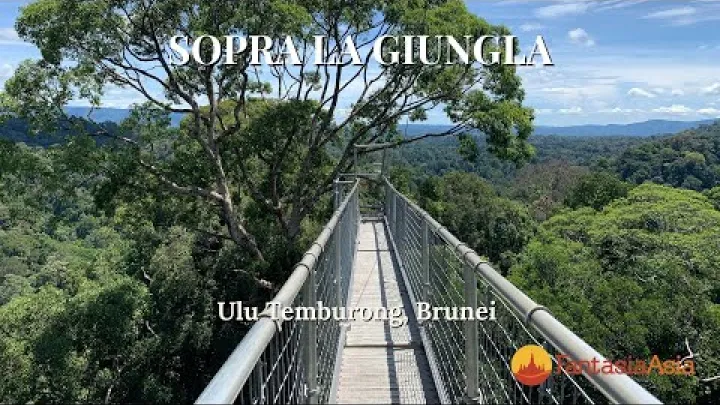
February and March are especially attractive for plans that depend on outdoor conditions. Longer dry intervals can make hiking more comfortable, trails may be easier to use, and boat journeys may have better odds of proceeding smoothly. Clearer periods can also improve views from canopy areas, although rainforest cloud and showers remain possible even in these months.
April is less consistent than February or March. It can still work well for hiking, canopy walks, and river excursions, but the seasonal pattern becomes more variable. Early May may also be suitable, particularly for visitors with flexible schedules, but it should not be treated as part of a guaranteed dry season.
This recommendation is based on broad regional rainfall patterns and indicative Bangar climate estimates, not on a promise of sunshine. Bangar remains hot, humid, and capable of heavy rain all year. Because the town is a gateway to Temburong rainforest activities, conditions upriver can matter more than the weather observed in town. Pack reliable rain protection and keep at least one outdoor plan flexible, even when traveling during February to early May.
When Other Months May Suit Your Trip
Other months can be appropriate when your priorities differ from maximum outdoor reliability:
- Choose January or November to December if you value very lush scenery, have a flexible itinerary, and are comfortable with a higher chance of rain-related changes.
- Choose June to August if your travel dates are fixed during the middle of the year. These months remain workable for rainforest activities, but heat, humidity, showers, and possible demand pressure are still part of the planning picture.
- Choose the wetter transition toward late October to December only if atmospheric rainforest scenery matters more to you than tightly timed river and hiking plans.
There is no reliable basis for calling any month a guaranteed low-price or uncrowded period in Bangar. School holidays, national events, and wider Brunei travel patterns can affect demand. Use the seasonal pattern as a starting point, then compare your exact dates with the current weather outlook and confirmed excursion availability.
Bangar's Climate and Seasonal Rainfall
Bangar and the wider Temburong District have an equatorial climate: warm temperatures, high humidity, and rainfall in every month. The Brunei Darussalam Meteorological Department describes the broad monsoon structure affecting Brunei and Borneo, including the northeast monsoon influence during the Northern Hemisphere winter months.
For travel decisions, rainfall is more useful than temperature for separating one season from another. The area does not normally develop a cool season that changes what most visitors need to pack, but the timing and persistence of rain can affect river conditions, trail surfaces, visibility, and the comfort of long outdoor activities.
Warm and Humid in Every Month
Bangar is warm throughout the year, with no normal travel season that feels cold in the way a temperate destination can. Regional climate summaries place Brunei's usual daytime temperatures in a tropical range, while third-party Bangar estimates indicate a warm annual average rather than a strong seasonal temperature contrast.
Humidity is an important part of how the weather feels. Even when the air temperature does not appear extreme, humid conditions reduce the speed at which sweat evaporates. Walking in town, waiting for transport, climbing forest trails, or standing on exposed sections of a canopy route can therefore feel tiring faster than expected.
Plan for breathable, quick-drying clothing rather than heavy layers. Drink water regularly instead of waiting until you feel thirsty, and use shade breaks during longer activities. Strenuous hikes are usually more comfortable when scheduled in the morning, before the hottest part of the day and before afternoon cloud or convection becomes more likely. Sun protection remains useful even when the sky is partly cloudy.
How Monsoon Patterns Shape Rainfall
Brunei's rainfall pattern is influenced by monsoon winds as well as local tropical weather. The broad official pattern places the main rainfall maximum roughly from late October through January. Rainfall generally reaches a relative minimum from late January through March, which is why February and March are often the most attractive months for outdoor-focused travel.
April through July is better understood as a variable transition and secondary rainfall period than as a simple dry season. Some days may offer useful dry intervals, while other days bring showers or thunderstorms. September and October can also vary considerably as rainfall tends to increase toward the wetter period later in the year.
Seasonal averages cannot show the full daily pattern. Tropical rain may arrive as a short, intense shower, a longer period of steady rain, or a locally concentrated thunderstorm. Conditions can differ between years and between Bangar, the river corridor, and forested areas farther upriver. A relatively dry month improves the odds of suitable conditions; it does not remove the possibility of rain.
Bangar Town Versus Upriver Temburong
Bangar town has a lower-lying river and tidal setting, while the route upriver toward Ulu Temburong National Park leads into a more forested and hillier landscape. These environments can respond differently to the same regional weather pattern.
Rainfall upriver can influence river levels and currents, while wet conditions can make forest trails muddy or slippery. Cloud cover may also reduce visibility from canopy areas even when Bangar itself has a bright or dry morning. Conversely, a shower in town does not necessarily describe the conditions at the time and place of a rainforest excursion.
The practical lesson is to treat Bangar's town weather as a useful indication, not a complete picture of Temburong. When comparing itineraries, allow for the fact that the most important conditions may be along the river or inside the forest rather than at your accommodation.
Bangar Weather by Month
The following month-by-month guide uses relative terms such as wetter, variable, and relatively drier. It is intended for trip planning, not prediction. A third-party summary from Climate-Data.org estimates Bangar's average temperature at about 25.4°C and annual rainfall at approximately 2,303 millimetres, with March identified as the driest month. These figures are indicative estimates, not an official live forecast or a guarantee for particular dates.
| Month | General climate feel | Planning implication |
|---|---|---|
| January | Very wet side of the year; lush conditions | Allow more uncertainty for river and trail plans |
| February | Relatively drier | Good odds for outdoor activities, with rain still possible |
| March | Relative rainfall minimum | Strongest month for a reliability-focused itinerary |
| April | Transition; rainfall becomes more variable | Good shoulder option with flexible timing |
| May | Variable showers and possible storms | Use morning activity windows and keep alternatives available |
| June | Warm and humid; mixed dry intervals and showers | Workable for fixed schedules with weather flexibility |
| July | Warm and humid; showers remain possible | Plan outdoor activities around usable intervals |
| August | Warm and humid; variable rainfall | Suitable for flexible rainforest plans |
| September | Variable transition; rainfall tends to increase | Outdoor access may be less predictable |
| October | Increasingly wet toward the main rainfall period | Expect more possibility of heavy showers |
| November | Wetter conditions more likely | Build in extra time for saturated trails and river changes |
| December | Wetter to very wet conditions | Best for flexible travelers seeking a lush atmosphere |
January to March: From Wet Season to the Driest Window
January is on the wetter side of Bangar's annual pattern. The landscape can look especially lush, but persistent or heavy rain creates more uncertainty for river journeys, forest trails, and visibility-dependent viewpoints. January can still suit visitors who see rain as part of the rainforest experience and who are not trying to fit several weather-sensitive activities into a short trip.
February marks a shift toward the more usable part of the year. It does not become rain-free, but visitors often have better opportunities to find dry periods for walking, boating, and canopy activities. March is the core relatively drier month in the available Bangar-specific estimate and is usually the clearest choice for travelers who place outdoor reliability first.
Even in February and March, plan for tropical rain rather than assuming every day will be clear. A morning excursion may have better practical value than a late-day departure, but the actual timing of rain varies. These months are best described as the most favorable window, not as a guaranteed dry season.
April to August: Transition, Storms, and Summer Conditions
April is a transition month. It can retain some of the more favorable characteristics of February and March, but rainfall becomes less consistent from one day to another. This makes April a good option for travelers who want a shoulder-season extension and can move activities within their itinerary.
In May, showers and thunderstorms may become more frequent or more disruptive to outdoor plans. The month can still be rewarding for Temburong rainforest activities, especially when a trip is organized around shorter morning windows rather than a rigid schedule for every hour.
June to August should not be described as a consistently dry summer season. Conditions remain warm and humid, with a mixture of dry intervals and showers. These months are viable for travelers whose dates are fixed, provided they allow weather changes and understand that a scheduled river or trail activity may not have the same conditions as the previous day.
September to December: Increasing Rainfall and Peak Wet Conditions
September and October are variable months that generally lead toward wetter conditions. Some trips may still enjoy useful dry intervals, but rainfall becomes a more important consideration as the year progresses. October is a less reliable choice than February to April for visitors who have only a narrow window for hiking or river travel.
November and December are among the wetter parts of the year. Heavy rain can leave trails saturated, reduce visibility beneath cloud, and lead to changes in river-based plans. These months can suit travelers who want a vivid rainforest atmosphere and have spare time, but they are less suitable for a tightly timed itinerary built around several outdoor activities.
If reliable hiking and river access are the main purpose of your visit, choose February to April, with early May as a possible extension, rather than making November or December your first choice. The wetter months are not a blanket no-go period, but they require more tolerance for changed plans.
Best Time to Visit Bangar for Different Travel Goals
The best time to visit Bangar changes according to whether your priority is rainforest access, a relaxed town stay, or lower-cost travel. The same month can be excellent for one type of traveler and inconvenient for another.
For Ulu Temburong Hiking, Canopy Walks, and River Trips
For hiking, canopy walks, and river excursions, February to April is the strongest general recommendation, with early May as a possible shoulder extension. These months offer better odds of manageable conditions than the wetter end of the year, while still requiring normal rainforest preparation.
Bangar functions as a practical staging point for excursions into Temburong District. The official Brunei Tourism site identifies Ulu Temburong National Park as a major local experience, but the tourism listing does not establish individual operator schedules or make weather-related access decisions.
Heavy rain can affect several parts of the journey at once. River levels and currents may change, boat travel can become less comfortable or less suitable, trails can lose grip, and cloud can reduce canopy visibility. These effects are not always visible from Bangar town. Confirm the river excursion and Ulu Temburong access with the operator before setting out, and follow the operator's final decision if conditions change.
For Town Stays, Culture, and a Flexible Rainforest Experience
A stay focused on Bangar town and the wider Temburong District is more adaptable than an itinerary that depends entirely on a long river journey or a particular canopy view. You can divide the day between town-based time and outdoor activities, then place the more weather-sensitive plan in the most suitable available window.
Rain still affects walking, outdoor logistics, and travel between activities, so a town stay is not separate from the wider Temburong climate. A simple backup plan might reserve a half-day for local food, a cultural experience, or other town-based activities that can be confirmed locally, while leaving the rainforest excursion movable.
When you have a named attraction, experience, or accommodation in mind, check its current opening status and location rather than assuming that a wet-weather alternative operates every day. Keeping the cultural and town portions of a trip less tightly timed makes a rainy forecast easier to manage.
For Lower Crowds, Budget, and Event Timing
Reliable Bangar-specific data on crowd levels, accommodation prices, and tour-price changes by month are limited. It is therefore not safe to rank one month as definitively the quietest or cheapest. General travel patterns in Brunei can provide direction, but they do not prove a particular seasonal pattern in Bangar.
Demand may vary with school holidays, national events, and wider Brunei travel activity. June to August can experience more pressure from travelers with fixed mid-year schedules, but that does not mean every property or tour will be busy. Likewise, a wetter month may have lower demand without producing a guaranteed discount.
For a budget-focused decision, compare exact-date accommodation rates and tour quotations across the dates you can use. Check confirmed event calendars and ask about availability before committing to transport or an excursion. Check actual accommodation and tour prices and availability for your chosen dates before booking, rather than relying on a general claim that a month is low season.
Practical Planning for Bangar's Weather
Good planning for Bangar combines seasonal climate guidance with current information and equipment suited to heat, humidity, rain, rivers, and forest trails.
Climate Averages Are Not a Trip-Day Forecast
A climate average describes what has tended to happen over many years. A forecast describes the expected conditions for a particular place and time. A relatively dry March can still contain a wet day, while a wetter month can produce a useful morning for a river or hiking activity.
Conditions can also change by the hour and vary between Bangar town and areas upriver. When an activity depends on visibility, river movement, trail grip, or a narrow departure window, the monthly average is only background information. It cannot confirm that the activity will be suitable on your date.
Check the latest forecast and advisories from the Brunei Darussalam Meteorological Department immediately before departure. The department is Brunei's official provider of meteorological and climate services, and its published contact information includes weather line 114. Use the current information to decide how much time to allow for river travel, whether to move strenuous activities to the morning, and whether a visibility-dependent plan needs a backup.
A practical pre-departure check should consider more than the chance of rain. Look for thunderstorms, strong winds, reduced visibility, and the expected timing of heavier showers. If the forecast changes, adjust the order of activities rather than treating a favorable monthly label as permission to keep an unsuitable plan.
What to Wear and How to Build a Flexible Itinerary
Pack for warm humidity and sudden rain. A useful basic list includes:
- Lightweight, quick-drying shirts and trousers or shorts
- A compact rain jacket or poncho
- Reliable footwear with good grip for wet or muddy surfaces
- A dry bag or waterproof protection for a phone, documents, and other valuables
- Enough drinking water, sun protection, and a hat
- Insect repellent suitable for rainforest conditions
Quick-drying clothing is more comfortable than heavy cotton after a shower. Good grip matters on forest paths and steps, while waterproof protection helps during river travel and sudden downpours. Bring enough water for the planned activity because heat and humidity can make exertion feel greater than expected.
Start outdoor activities early when practical, keep the pace realistic, and avoid filling every day with non-refundable or tightly connected plans. One useful flexibility model is to leave a spare half-day in the itinerary and avoid scheduling an important onward connection immediately after a weather-dependent river or rainforest excursion. That spare time can absorb a delayed start, a changed activity, or a return to a town-based plan.
Final Recommendation
For most travelers, the best time to visit Bangar, Temburong, Brunei, is February to early May. Choose February or March for the strongest odds of reliable hiking, canopy views, and river excursions; choose April or early May for a more flexible shoulder-season option. January and November to December can reward visitors who want lush scenery and accept more rain, while June to August remains workable for fixed schedules. Whatever month you choose, use climate averages as a guide, check current weather information close to departure, and keep rainforest access details confirmed with the local operator.
Select area
Create a post
Posting is free and no registration is required.